The Dell Trade: When Presidential Speech Becomes a Market Event
A president's offhand endorsement sent Dell shares up 15 percent in a single session. The episode demands a reckoning with what happens when political speech and equity markets stop pretending they operate in separate spheres.
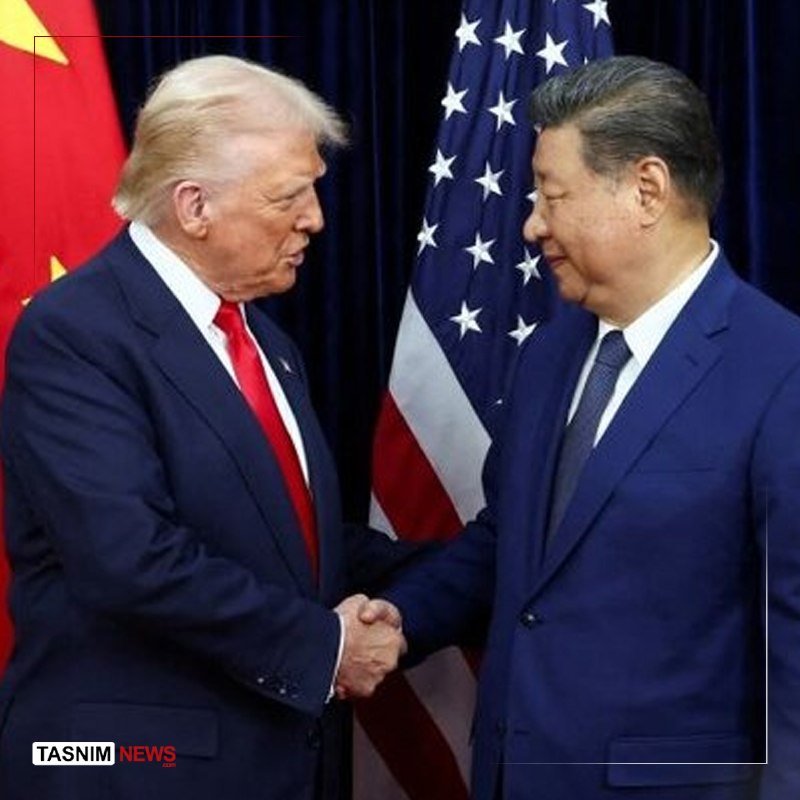
On 8 May 2026, during what appears to have been an unremarkable public appearance, a remark was made about Dell Technologies. The response in the market was not unremarkable. Dell shares climbed 15 percent in a single trading session, according to market tracking data logged that evening.
That is not noise. Fifteen percent of a company's market capitalisation — wiped out or added in hours — is signal, and it demands explanation.
A Pattern Already Recognised
This was not the first time presidential speech moved a specific stock. The pattern has become familiar enough that market participants have begun pricing it as a recurring variable. When the president of the United States names a company, a product, or a sector in public, the reflexive response in the trading algorithms — and among retail investors who follow the account — is not scrutiny. It is action. The bid comes in. The price moves.
The sources do not indicate what Dell's fundamentals looked like on the day of the remark, whether any earnings surprise or strategic announcement preceded it, or whether any regulatory or contract news drove the move independently. That absence matters. A 15 percent single-session move in a large-cap technology company, absent an obvious fundamental catalyst, is the kind of thing that, in any other context, would generate an SEC inquiry.
The Chilling Problem
The episode is worth reading alongside the ABC News filing from the same period, which alleged that the Trump administration was using regulatory pressure to chill constitutionally protected speech — specifically around the television programme "The View" and equal-time obligations.
Together, the two stories describe an administration that is comfortable deploying the instruments of government to reward speech it favours and to discipline speech it does not. TheDell move was additive, not punitive — but the logic is similar. Speech that aligns with the administration's preferences gets a market boost. Speech that draws regulatory attention gets a cost.
Whether or not one believes the ABC filing's specific legal theory holds, the underlying concern — that the administration treats the regulatory apparatus as an extension of its communications strategy — finds some corroboration in the market behaviour that followed an on-air endorsement.
The Quiet Normalisation
What is striking is how little friction the Dell episode generated in the business press. A 15 percent single-session move in a major technology company, triggered by a political figure, is a significant financial event. It created and destroyed real wealth in a matter of hours. And yet the coverage treated it largely as a curiosity — the president said something nice about Dell, and the stock went up. As though that sequence were unremarkable.
The normalisation is the story. Markets have absorbed the reality that political speech is now a inputs to equity pricing. Traders with access to the president's public schedule and a reliable sense of which companies draw his attention are effectively operating with a form of event risk that no 10b5-1 plan accounts for. This is not a complaint about the president saying favourable things. It is an observation about what happens when the boundary between political authority and market signal dissolves.
The structural point is straightforward: when the executive branch's speech consistently moves individual securities, the market is no longer pricing companies on their prospects. It is pricing companies on their relationship to power.
What Remains Unresolved
The sources do not indicate whether any regulatory review has been initiated into the Dell move, whether the relevant ethics disclosure frameworks were engaged, or whether any administration-linked accounts held positions in Dell ahead of the remark. Those are not rhetorical questions. They are the questions that a functional system of market oversight would be asking, and it is not clear that anyone is asking them.
The broader question — whether presidential endorsements of specific companies constitute a form of market manipulation, or whether they represent merely an uncomfortable exercise of political speech in a connected world — has no clean answer in current law. That ambiguity is itself the problem. The absence of a rule is not the same as a resolution.
The Dell move, on its own, may be explicable as a one-off curiosity. Taken alongside the pattern of which companies and sectors draw presidential attention, and which draw regulatory pressure, it begins to look like something more结构性. Power and markets have always interacted. The question is whether that interaction is becoming a system — and whether anyone is watching whether it works as one.
Wire provenance
This editorial synthesis draws on the following public wire/social posts:
- https://x.com/polymarket/status/1928294764824191483
- https://x.com/polymarket/status/1928294764824191483