Djokovic Falls in Rome Return as French Open Doubt Grows
Novak Djokovic's return from a two-month injury absence ended in a three-set defeat to a Croatian qualifier 18 years his junior, raising immediate questions about his readiness for Roland Garros.
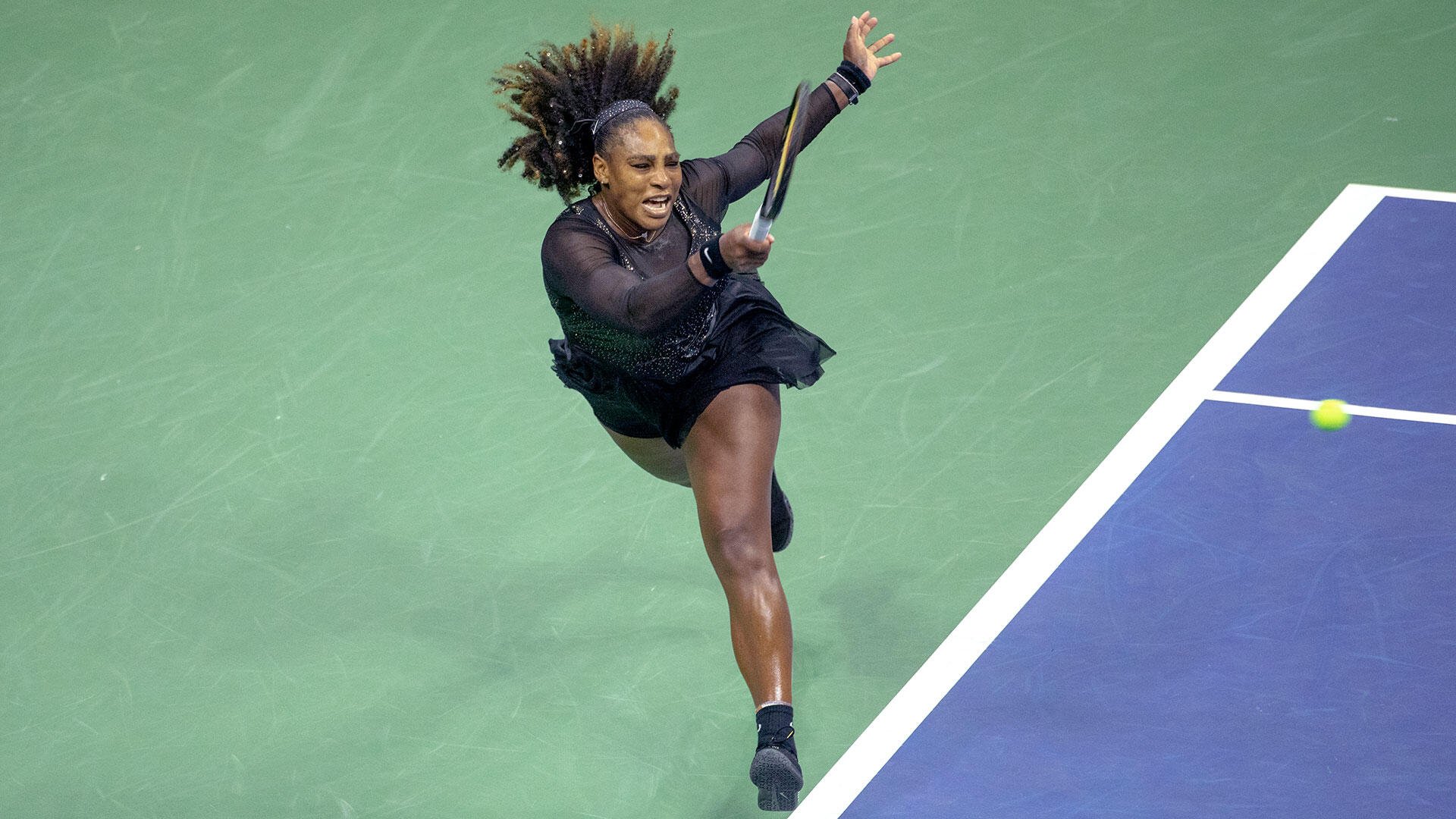
Novak Djokovic's return to competitive tennis ended in defeat on Thursday, when the 38-year-old Serb was beaten in three sets by Dino Prizmic, a Croatian qualifier 18 years his junior, at the Italian Open in Rome.
Djokovic had not played since March following a right shoulder injury that forced his withdrawal from the Miami Open. His first match back lasted three hours and ended 6-4, 4-6, 6-4 in Prizmic's favour, leaving the 24-time Grand Slam champion publicly reckoning with his physical limitations for the first time in years.
"I must accept this new reality of continuous physical struggles," Djokovic said after the match, according to multiple reports from the Rome tournament. "It's not ideal preparation for Paris."
The loss marks Djokovic's earliest exit at the Italian Open in more than a decade and raises straightforward questions about whether he can compete at the level required to challenge for a 25th major title at Roland Garros, which begins on May 24.
An Unfamiliar Position
Djokovic's defeat to a player ranked outside the top 80 is not easily contextualised within his recent record. He has not lost to a qualifier of Prizmic's age profile at a clay-court Masters event since his early twenties. The physical rust was evident: Djokovic's serve lacked its usual velocity, his movement across the baseline appeared hesitant, and his second-set recovery gave way to a third set in which Prizmic, 20, dictated terms.
Prizmic, who had never faced a player of Djokovic's standing at this level of tournament, handled the occasion with composure that belied his age and ranking. He broke Djokovic twice in the deciding set and served out the match on his third attempt. The performance was not a fluke; it was a coherent tactical plan executed by a player who had nothing to lose and found, on the day, that the gap between them was smaller than the rankings suggested.
Djokovic's camp has maintained a consistent public line that his injury is improving. But the Rome result provides a data point that existing statements from his team did not: at full intensity, against a motivated young opponent on clay, his shoulder is either not fully healed or not yet reliably load-bearing under match conditions. The two months of rehabilitation produced a player who is, on this evidence, not where he needs to be.
The French Open Question
Roland Garros is sixteen days away. That timeline is both long enough for further recovery and short enough that the window for competitive match-play before arrival is now effectively closed. Djokovic will not play another tournament before the French Open draw begins.
This is a meaningful departure from his usual build. In prior seasons, Djokovic has used the Rome Masters as a staging ground for Paris, building rhythm and confidence on the same red clay surface. The plan this time has been disrupted by the shoulder issue, and Thursday's result means he departs Rome with zero wins and one loss in his only competitive match since March.
The broader question is not just physical readiness but competitive identity. Djokovic has, for the better part of two decades, competed from a position of physical supremacy — his ability to extend rallies, absorb pace, and outlast opponents in fifth sets was as much a product of his conditioning as his technique. A shoulder that compromises his serve and limits his recovery time in long matches changes that calculation entirely.
Several of the leading contenders at Roland Garros will note the Rome result. Carlos Alcaraz, who has taken over the mantle of clay-court favourite, faces no comparable physical uncertainty. Jannik Sinner's return from his own ban remains a subplot, but his fitness is not in question. The field, while not open in any structural sense, has fewer obstacles in its way than it did before Thursday.
What the Numbers Say
Djokovic is entered in the French Open draw and has not withdrawn. His ranking remains inside the top five. His history at Roland Garros — three titles in the past four years — gives him a credibly high floor. Nobody in the draw will want to face him in the early rounds, regardless of form.
But the numbers from Rome tell their own story. Djokovic won 51 percent of points on his first serve. He made 38 unforced errors in a match that lasted just over three hours. His movement metrics, as tracked by tournament data, showed a player who was not sliding into shots with his usual explosiveness. These are not catastrophic numbers in isolation, but they are not the numbers of a player peaking for a major.
Prizmic's numbers were stronger in several categories: first-serve percentage, winners off the return, and conversion rate on break points. The match result was not a statistical anomaly. The better player on the day won.
The Stakes Ahead
Djokovic's options going into Paris are limited. He can rest, continue rehabilitation, and hope that the additional weeks produce a clearer improvement than the two months already spent recovering did. Or he can accept that this is the level he is currently at and try to win a major that way — something he has not had to do since his mid-twenties.
The broader sports context here is not trivial. When elite athletes cross into their late thirties, the conversation about competitive viability is always complicated by the gap between what a player's record says they can do and what the body currently permits. Djokovic has navigated that gap better than almost anyone in the sport's history. The Rome result suggests the gap may, for the first time, be significant enough that it cannot be navigated on class alone.
Whether he adjusts successfully — or whether Roland Garros 2026 marks the beginning of a different chapter — will depend on what happens in the next two weeks. The tennis will return, one way or another.
This publication's Rome dispatch focused on competitive context and physical data rather than career narrative, which dominated wire framing of the same result.