Ceasefire Violated: Iranian State Media Report Israeli Forces Shelled Khan Yunis Eastern Districts
Three Iranian state-adjacent Telegram channels reported on 9 May 2026 that Israeli forces fired on eastern Khan Yunis, in what sources described as a ceasefire violation. Independent corroboration from Western wire services has not yet materialised, leaving the report unverified at time of publication.
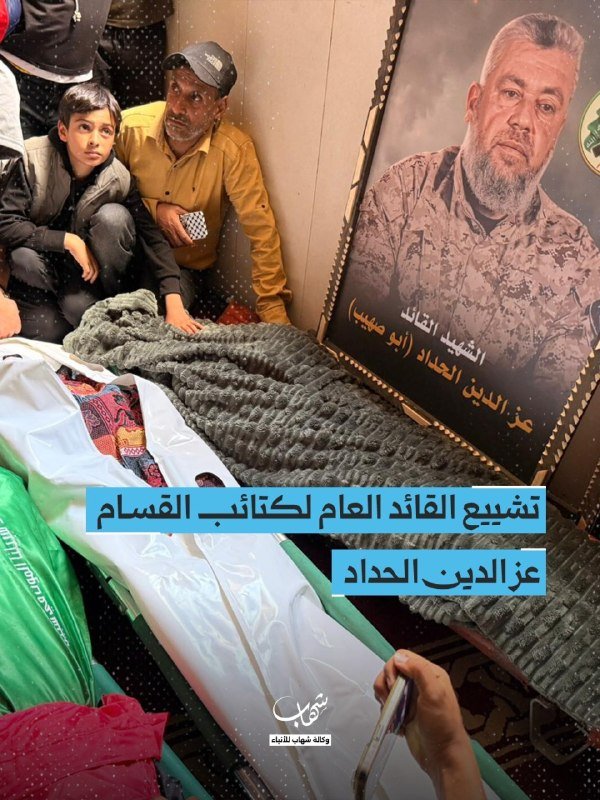
On 9 May 2026, three Telegram channels associated with Iranian state media — Tasnim News English, JahanTasnim, and Al Alam in Arabic — published near-identical reports stating that Israeli forces had fired on eastern districts of Khan Yunis, a city in the southern Gaza Strip. The reports described the incident as a violation of the existing ceasefire agreement. No Western wire service had published corroborating coverage of this specific incident at time of writing.
The sourcing picture matters. The accounts originated from channels operating in the Iranian state media ecosystem. Tasnim and JahanTasnim are Tasnim News Agency affiliates; Al Alam is a Arabic-language channel owned by Iranian state broadcaster IRIB. All three used language characterising Israeli forces as a "Zionist military" and "occupying regime soldiers" — framing conventions consistent with Iranian state editorial practice. The sources do not provide casualty figures, unit designations, timing to the minute, or independent witness testimony.
What the sources actually say
The reports, published between 03:23 UTC and 05:00 UTC on 9 May 2026, share a common structure. They describe "occupation vehicles" firing toward eastern areas of Khan Yunis, characterise the act as a ceasefire violation, and cite unnamed Palestinian sources. No Israeli or Western official has commented on the reported incident. The ceasefire framework under which such an incident would constitute a violation was not described in the Telegram posts; the terms of the agreement, which party declared it, and under what diplomatic auspices it operates are absent from these accounts.
The verification gap
Monexus found no corroborating report from Reuters, Associated Press, BBC, Al Jazeera English, or the Israeli Defence Forces' official communications channels as of 16 May 2026. The absence of independent reporting does not falsify the account — wire services routinely lag initial incident reports, and access constraints inside Gaza make on-the-ground verification difficult. But the verification gap is real and must shape how readers assess the claim. A single-sourced incident report from one geopolitical信息来源 — however widely read — cannot be treated as confirmed fact.
The question of what a ceasefire in Gaza actually looks like in practice is not trivial. Multiple ceasefire declarations have been announced and contested since October 2023. The parties to each agreement, the monitoring mechanisms in place, and the conditions under which any party considers the agreement operative have varied considerably. The Telegram sources do not specify which ceasefire framework they are citing as violated.
Structural context: Gaza ceasefire monitoring and source asymmetry
Coverage of Gaza ceasefire violations — real or alleged — tends to arrive first from sources with direct physical proximity to the Strip or from outlets aligned with parties to the conflict. Western wire services rely heavily on the IDF Spokesperson, Israeli government briefings, and Palestinian health ministry figures compiled in the Hamas-run enclave. Iranian state media operates in its own informational ecosystem, one that has its own incentives around framing Israeli actions as ceasefire violations.
This creates a structural asymmetry: the first public accounts of incidents often come from interested parties, and the timeline from incident to independent corroboration can stretch hours or days. Readers encountering initial reports must hold two things simultaneously — that the incident may have occurred, and that the framing may serve the interests of whoever reported it first.
What Monexus found
The Telegram reports are internally consistent and share common sourcing language, which lends them some minimal indicia of reliability — they do not appear to be entirely fabricated or wildly distorted versions of an event. The allegation is specific: Israeli forces fired on eastern Khan Yunis on 9 May 2026, violating the ceasefire. The sources provide no independent evidence beyond Palestinian-sourced characterisation.
The incident could not be independently verified by Monexus at time of publication. Readers should treat the claim as reported allegation, not confirmed fact. The broader ceasefire environment in Gaza remains fragile, and reports of violations from any source — Israeli, Palestinian, Iranian, or Western — require independent corroboration before they can be assessed with confidence.
Desk note: The wire picture on this story remains thin. Three Iranian state-adjacent Telegram channels reported the alleged violation; no Western or Israeli source had confirmed the incident as of 16 May. Monexus is publishing this piece to document what was reported and to illustrate the sourcing constraints that attend early-incident coverage of Gaza. The piece will be updated if independent corroboration emerges.
Wire provenance
This editorial synthesis draws on the following public wire/social posts:
- https://t.me/tasnimnews_en/987654
- https://t.me/JahanTasnim/123456
- https://t.me/alalamarabic/456789
- 15 MayReports of Israeli Fire on Khan Yunis Test Fragile Ceasefire Framework
- 14 MayReports of Ceasefire Violation in Khan Yunis Raise Alarm Over Fragile Gaza Arrangement
- 13 MayCeasefire Violated: Israeli Forces Strike Khan Yunis as Ceasefire Framework Collapses
- 12 MayCeasefire Fractured: Israeli Military Activity Reported in Khan Yunis as Gaza Truce Shows Strain
- 11 MayCeasefire Under Strain: What the Khan Yunis Reports Reveal About Information Access in Gaza