Ebola Returns to East Africa as Death Toll Reaches 80 in DRC and Uganda Outbreak
Health authorities in Kinshasa and Kampala are responding to a new Ebola outbreak centred in eastern DRC, with at least 80 deaths confirmed across both countries as regional transmission chains remain active.
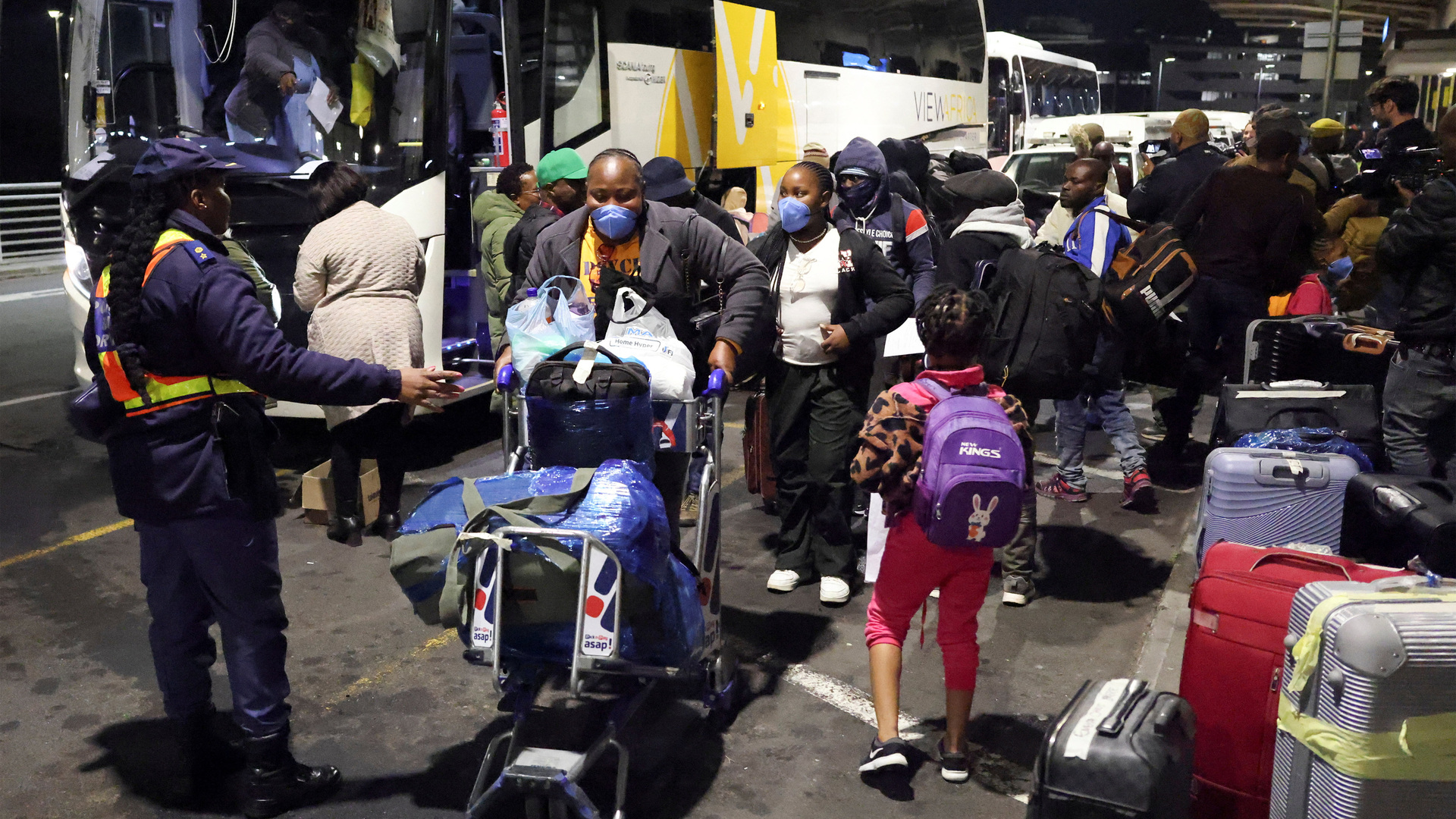
At least 80 people have died following a new Ebola virus outbreak centred in eastern Democratic Republic of Congo, with Uganda now reporting cases in what health officials describe as a cross-border transmission event. The deaths span both countries, according to wire reports citing the Associated Press, as regional health authorities activate emergency response protocols in a region all too familiar with the haemorrhagic fever.
The outbreak is concentrated in Ituri Province, an area in northeastern DRC that has recorded previous Ebola flare-ups and where weak infrastructure and ongoing conflict complicate outbreak response. Uganda's health ministry confirmed cases on its side of the border, indicating the virus has found a pathway across one of Africa's most porous boundaries. Officials have not yet publicly identified the viral strain, a detail that shapes treatment protocols and vaccine eligibility.
An Outbreak in Familiar Terrain
Ituri Province sits at the intersection of DRC's eastern conflict zone and Uganda's western border districts. The region has experienced repeated Ebola outbreaks, including a major epidemic in 2018–2020 that claimed more than 2,200 lives. That history means local health workers and communities possess a baseline awareness of the disease, but it also means survivor immunity and institutional fatigue are variables in how the current response will unfold.
Cross-border movement between DRC and Uganda is routine and dense. Traders, pastoralists, and displaced populations traverse the frontier daily, often through informal crossing points that surveillance systems struggle to monitor. When Ebola surfaced in Uganda in 2019, the index case was a boy who had crossed from DRC. The current outbreak appears to follow a similar pattern of human movement driving regional spread.
The DRC's health ministry, working with the World Health Organisation and Africa CDC, has deployed response teams to the affected zones. Containment measures include contact tracing, isolation of suspected cases, and community sensitisation campaigns aimed at reducing transmission through traditional burial practices, which have historically amplified Ebola's spread.
What Remains Unknown
The sources reviewed for this article do not specify the current case count beyond fatalities, the identified viral strain, or the timeline of the first confirmed infections. The 80-death figure may include probable as well as laboratory-confirmed cases, a distinction that affects how the case fatality rate is calculated and how the outbreak's severity is ultimately assessed. Regional health bodies have not yet published detailed situation reports that would allow independent verification of transmission chains or geographic scope.
Whether the outbreak has been contained to known transmission clusters or is expanding into new health zones remains unclear from available reporting. The conflict environment in parts of Ituri — where armed groups operate near health facilities — adds a layer of uncertainty to how contact tracing and reporting are functioning on the ground.
Structural Context: Why East Africa Keeps Seeing Ebola
The DRC and its neighbours occupy a geographic and ecological sweet spot for Ebola. The virus circulates in animal reservoirs — fruit bats are the primary suspects — across the forested regions of central and East Africa. When human contact with infected animals occurs, often through bushmeat consumption or exposure to bat habitats disturbed by deforestation and agricultural expansion, spillover events follow. Population density, mobility, and inadequate rural health infrastructure then amplify transmission.
Previous outbreaks in the region have exposed a recurring tension: international attention and funding tend to concentrate during major epidemics and then contract once the acute phase passes. The WHO's health emergency programme, which handles Ebola responses, operates under persistent resource constraints. For the DRC, which has managed more Ebola outbreaks than any other country since the disease was first identified in 1976, this cycle of crisis and withdrawal has become structurally embedded. National health systems are underfunded; external support is uneven and often tied to geopolitical priorities that do not map onto where outbreaks actually occur.
Uganda's own health infrastructure has improved since its 2019–2020 encounters with Ebola subtypes, partly through investments made after those experiences revealed gaps in border screening and laboratory capacity. Whether those improvements hold under the pressure of a new cross-border event is a question the coming days will begin to answer.
Stakes and the Near-Term Horizon
If the current outbreak is contained within weeks, the 80 deaths recorded represent the acute cost of this event. If transmission chains prove broader than currently visible, the trajectory looks different. Ebola's incubation period runs up to 21 days; cases currently incubating will surface in June 2026 regardless of the response quality deployed this week. That lag means the death toll could climb further before declining.
The regional stakes extend beyond health metrics. East African governments are navigating competing priorities: economic integration under the African Continental Free Trade Area, post-conflict reconstruction in the DRC's east, and broader health system strengthening against future threats. An uncontrolled Ebola outbreak that spills into major urban centres — Goma on the DRC side, Kampala on the Uganda side — would stress health systems that remain fragile despite previous investment.
International vaccine and therapeutic stockpiles exist, but their deployment requires decisions that take time: funding authorisation, logistics, cold-chain requirements, and acceptance planning in affected communities. The window between outbreak detection and the point at which containment becomes significantly harder is measured in weeks. How quickly the international response apparatus activates will define whether this outbreak joins the list of contained events or becomes a larger crisis.
This publication's coverage prioritises wire reporting from Associated Press and direct social-media verification from affected-country sources. Readers seeking the most current case counts should consult WHO's disease outbreak news and the Africa CDC's situation updates.
Wire provenance
This editorial synthesis draws on the following public wire/social posts:
- https://t.me/JahanTasnim/28432