Reed Jobs plants Yosemite's $1bn flag in UK oncology research
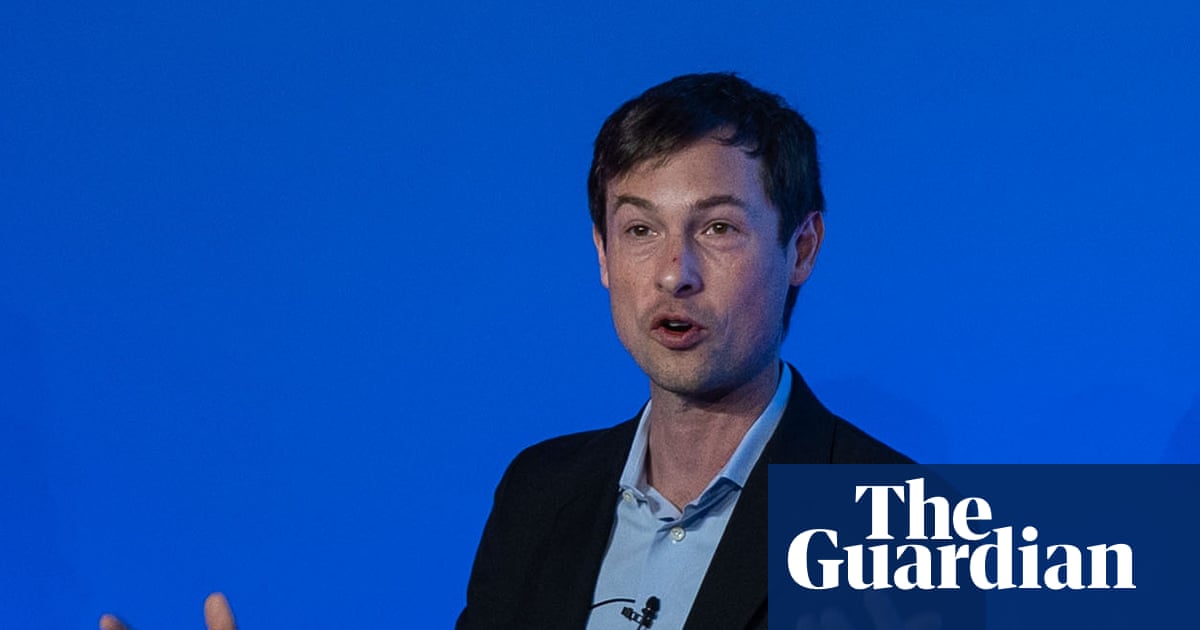
Reed Jobs was eleven years old when he watched his father receive a cancer diagnosis. Steve Jobs, co-founder of Apple, died of neuroendocrine cancer in 2011. Nearly fifteen years on, his son is deploying a billion-dollar venture capital vehicle toward the same disease class — and has identified the United Kingdom as a primary destination.
Yosemite, the fund Reed Jobs established and manages, has signalled an intention to direct capital into UK-based oncology research and early-stage biomedical companies. Speaking ahead of a London engagement on 16 May 2026, Reed Jobs described the UK's research environment in unambiguous terms. "Research here is world class," he said, citing the concentration of university hospital networks, the density of published oncology papers, and what he characterises as an undervalued pipeline of spinout opportunities relative to their US counterparts.
The fund has not disclosed specific portfolio companies or named UK institution partners. Yosemite's structure — a hybrid of venture investment and philanthropic-adjacent grant-making — positions it to absorb longer time horizons than most institutional life sciences funds, which typically require commercial validation within five to seven years.
Personal grief, institutional capital
The Jobs family's relationship with cancer is not incidental framing. Reed Jobs has spoken previously about the effect of watching his father's illness on his professional trajectory. The Yosemite fund was seeded with wealth inherited through his father and has explicitly positioned oncology as its investment thesis from inception. That mandate distinguishes it from generalist life sciences funds that treat cancer as one vertical among many.
What makes the UK specifically attractive, according to those familiar with Yosemite's sourcing approach, is a combination of factors: lower pre-money valuations compared to US biotech hubs, a strong tradition of academic clinical trial design, and an NHS ecosystem that generates large, well-characterised patient cohorts — a data advantage that late-stage drug development investors prize.
Whether those structural advantages translate into deal flow depends on the fund's willingness to navigate UK venture infrastructure, which remains shallower than its Boston or San Francisco equivalents. The gap between world-class research and fundable spinouts has historically required active bridging — through institutions like the BioIndustry Association, the Wellcome Trust's investment arm, or newer vehicles like the Life Sciences Innovative Manufacturing Fund.
A crowded field of purpose-driven capital
Yosemite is not the only purpose-built vehicle targeting cancer from a position of personal motivation. The field has attracted a cohort of founders who lost relatives to the disease and subsequently redirected capital toward it. Builders like the Emerson Collective (backed by Laurene Powell Jobs) and smaller family vehicles have built portfolios in immunotherapy, early detection diagnostics, and targeted radionuclide therapies.
The competition for the most promising UK oncology spinouts will therefore be real. UK institutions — particularly Oxford, Cambridge, Imperial, and University College London — have generated a string of recent cancer-adjacent exits. The challenge for Yosemite is not finding opportunities but establishing enough signal density to differentiate early, before valuations compress in response to competing bids.
The fund's scale — a reported billion dollars under management — provides leverage in that negotiation. It also raises a structural question that the fund has not yet answered publicly: whether Yosemite's investment committee applies commercial return thresholds that might preclude funding truly foundational, non-therapeutic research, or whether the Jobs family wealth gives it latitude to support work with longer or less direct commercial pathways.
What the UK needs versus what it tends to attract
British oncology research has a documented funding architecture problem. The translation gap — the space between peer-reviewed discovery and commercially viable product — is persistently underfunded relative to the US. Government mechanisms like the Biomedical Catalyst and Innovate UK have helped, but the amounts are modest compared to what the National Institute for Health Research spends on clinical infrastructure.
Venture capital of Yosemite's scale, if it flows toward genuine translation rather than late-stage deal-chasing, could fill a structural hole in that ecosystem. The question is whether a fund anchored in the personal motivations of a founder with substantial media visibility will have the institutional patience to see early bets through, or whether the pressure to show portfolio-level returns within a typical fund lifecycle will steer capital toward nearer-horizon opportunities.
The UK's own policy environment adds a complication worth noting. The government's Mansion House compact has encouraged pension funds to invest in venture, and the Chancellor's spring statement flagged life sciences as a priority sector. But the regulatory environment for clinical trials, particularly post-Brexit divergences from EU frameworks, remains a variable that international investors cite both as a flexibility opportunity and an uncertainty.
A long game with uncertain endpoints
Yosemite's entry into UK oncology is a significant signal, not a completed transaction. The fund's intent has been stated; the execution depends on deal sourcing, due diligence, and the willingness of UK researchers and founders to accept a US-linked vehicle as a long-term partner rather than a milestone flipper.
The broader implication is more interesting than the individual deal. When private capital of this profile chooses a geography for biomedical investment, it reshapes the competitive landscape for talent, follow-on funding, and institutional reputation. If Yosemite's UK presence matures, it could accelerate a consolidation trend already underway among British cancer biotechs, where acquisitions by US and European pharma have become the dominant exit pathway over the past decade.
The 16 May announcement is a marker, not a verdict. What Reed Jobs does with the signal — whether he builds a genuine UK presence or registers intent without follow-through — will determine whether this registers as a structural shift or a high-profile visit.
This article was produced by the science desk. Monexus covered Yosemite's stated intent against the backdrop of a UK government actively courting life sciences FDI; most wire coverage framed the story through the personal Jobs family narrative, which this piece contextualises within UK venture infrastructure dynamics.