The Street Child World Cup Is Over. The Cause It Champions Is Not.
Twelve national teams competed in Mexico City over ten days, using football as both trophy-hunting ground and advocacy platform for children living without stable homes. The tournament ended; the structural conditions that produced it did not.
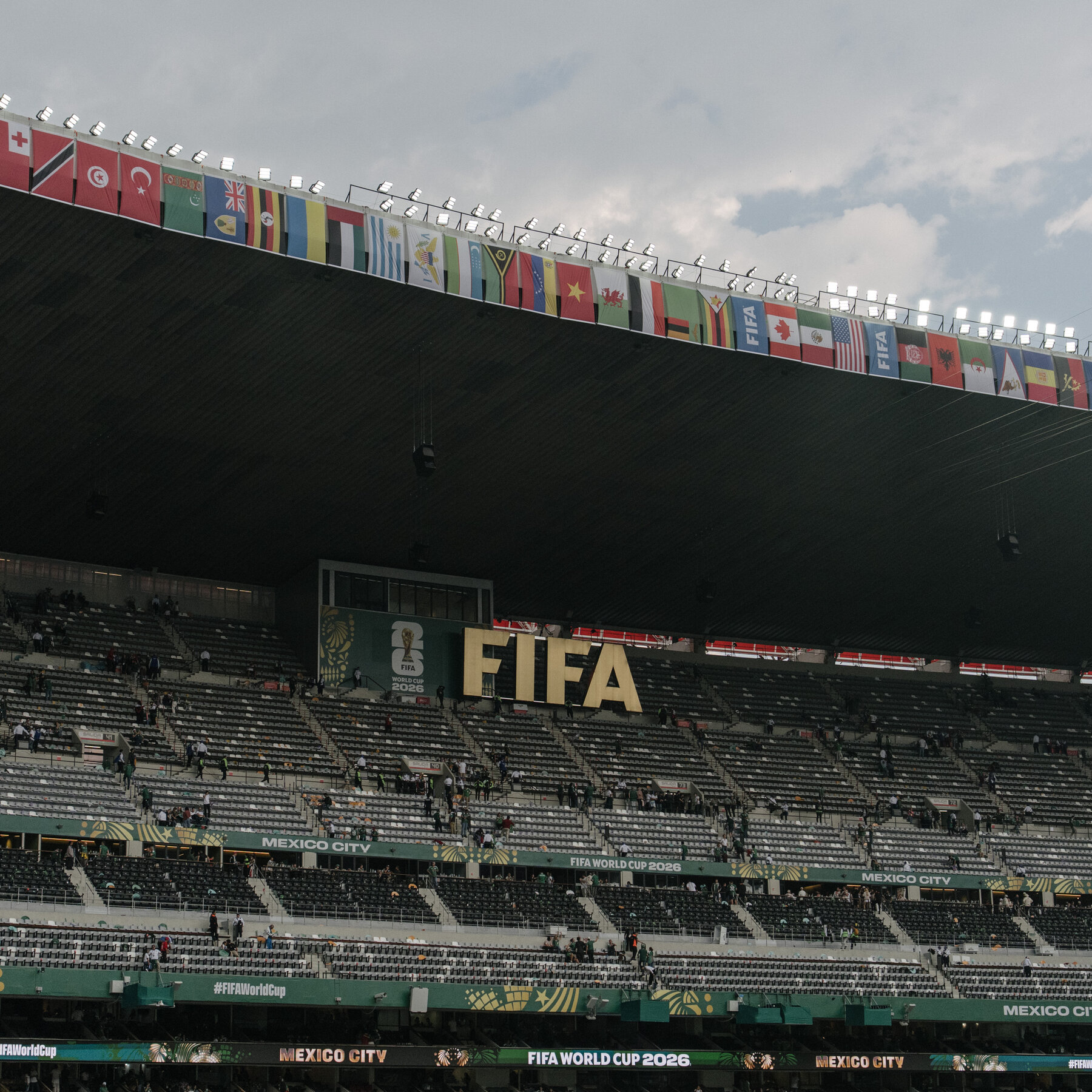
Football grounds are rarely built for metaphor. But when the Street Child World Cup closed in Mexico City on 16 May 2026, the symbolism was difficult to avoid. Around 300 players from twelve countries — many of whom have lived without stable homes — competed at venues across the capital, some in arenas used by professional clubs. The game was the same one that fills Champions League stands and World Cup finals; the stakes were the ones that rarely generate column inches: whether children who sleep rough can be seen as athletes first, and whether that reframing changes anything.
The tournament, organized by the UK-based charity Street Child, has run intermittently since 2010. This edition marked its first appearance in Latin America, a continent where the number of children and adolescents living without adequate housing is estimated in the tens of millions. The choice of Mexico as a host carried deliberate weight. The event was held alongside a music festival and a gala featuring a live performance by U2 — not as an afterthought, but as part of a conscious strategy to put street children on a different kind of global stage.
Who the tournament is for
The players at the Street Child World Cup are not charity cases in the conventional sense, and the organizers are deliberate about resisting that framing. Eligibility requires participants to have direct experience of street life or housing instability. Age categories span 14 to 17 years old. Teams are national, meaning the tournament doubles as an exercise in comparative policy: how Tanzania, Brazil, the Philippines, and Colombia each identify and support street-connected young people differs significantly, and the tournament makes those differences visible.
Tanzania's team drew particular attention at this edition. The country's estimated street child population runs into hundreds of thousands, and the government's response has been fragmented, divided between local authorities, religious organizations, and NGOs with limited coordination. Sending a team to Mexico did not resolve that structural problem. But it did something harder to quantify: it gave Tanzanian youth who fit that profile a public identity as representatives of their country, with photographs, match reports, and a trophy ceremony — the standard apparatus of sporting legitimacy.
The U2 question
The inclusion of a U2 performance at the closing gala generated commentary that the tournament itself did not seek. Critics have noted before that celebrity involvement in humanitarian causes can subordinate the subjects of advocacy to the branding of the benefactors. The counter-argument, also made before, is that visibility requires a distribution mechanism, and that mechanism frequently involves cultural figures with existing global reach. The relevant question for evaluators of the Street Child World Cup is not whether U2's presence is dignified or ironic, but whether the tournament converts the attention it attracts into verifiable policy engagement with the governments and donors whose decisions shape street children's lives.
The evidence on that question is mixed. Street Child has cited several instances in which participation in the tournament preceded or coincided with domestic policy discussion — a new shelter programme in one country, expanded schooling access in another. Those claims are difficult to independently verify across all twelve delegations in the ten-day window surrounding the event. What is verifiable is that the 2026 edition expanded the number of participating countries from the last cycle, and that the event's media reach, measured by wire-service and social-media visibility, was higher than in prior iterations.
The structural argument the tournament makes
Strip away the trophy presentations and the gala performances, and the Street Child World Cup is making a specific and contestable claim: that sport is an underused instrument in the global response to child homelessness. The claim has institutional backing — UNICEF has partnered with street child programmes in multiple countries — but it also has limits. Football does not build housing. It does not negotiate the legal status of children without documents. It does not compel governments to fund social services. What it does, in the tournament's theory of change, is generate social capital — contacts between delegations, media coverage in countries that rarely report on street children, and a self-concept among players that the evidence base for sport-for-development programmes suggests has measurable effects on resilience and educational attainment.
Whether that theory of change justifies the cost of flying hundreds of teenagers to Mexico City is a legitimate question that the tournament's donors have answered affirmatively without publishing detailed cost-effectiveness analyses. The opaqueness is not unique to Street Child; the broader sport-for-development sector has been slow to adopt the evaluative standards applied to, say, cash-transfer programmes or housing-first approaches in homelessness policy.
What the tournament does not resolve
The Street Child World Cup operates in a policy landscape that remains structurally hostile to the children it serves. Street-connected young people in most countries lack legal recognition in the way that refugees or internally displaced persons do, which means they fall outside the mandates of most international assistance frameworks. Their numbers are estimated globally in the tens of millions, but systematic enumeration is methodologically difficult — by definition, children without fixed addresses are difficult to count — and the estimates that do exist vary significantly in methodology and scope.
This creates an accountability gap. When a government claims progress on street child populations, there is often no independent baseline against which to measure it. When a programme like the Street Child World Cup reports outcomes, those outcomes are self-reported through an organization with a vested interest in demonstrating impact. The tournament's genuine contribution — the one that is hardest to measure and most likely to be real — may be the relational network it builds across delegations from countries that do not otherwise cooperate closely on child protection policy. Whether that network translates into durable institutional change will not be known for years.
The trophies from Mexico City will gather dust. The children who competed in them will return to circumstances that the tournament did not transform. That is not an argument against the event; it is an argument for taking seriously what a ten-day football tournament can and cannot do, and for asking harder questions of the organizations — and the governments they engage — when the cameras have left.
Wire provenance
This editorial synthesis draws on the following public wire/social posts:
- http://reut.rs/4wAfiPv