A Week of Words: Tehran's Virtual Book Fair Opens Under Digital Roof
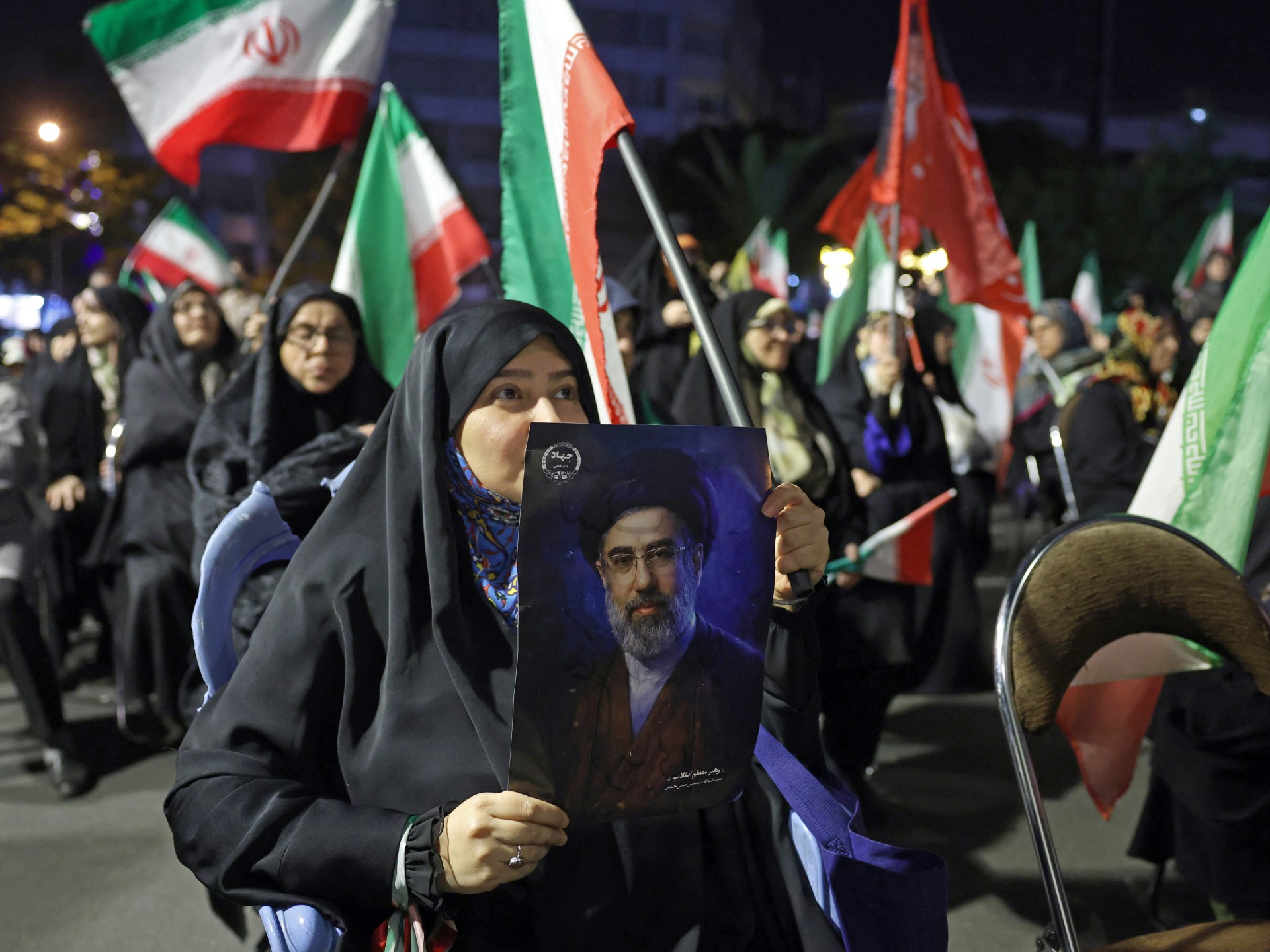
At 10:00 a.m. on 16 May 2026, the Tehran Virtual Book Fair opened its digital doors to the public. A week-long exhibition hosted on the book.icfi.ir system — where titles are displayed and sold in real time — the fair is one of the largest recurring cultural events in the wider region by sheer volume of participating publishers and estimated footfall. The announcement came via a post on the Farsna Telegram channel confirmed by the system's own landing page: the fair was open, and books were available for purchase immediately.
What a different planet this represents from the physical book fairs of a generation ago, when browsers walked aisles, catalogues lay flat on tables, and publishers gauged appetite by the weight of bags at the exit. This year's Tehran fair exists entirely inside a web interface. That shift — part necessity, part design choice — tells a story that goes well beyond logistics. It speaks to a country that has spent the better part of a decade converting geopolitical isolation into industrial and cultural self-reliance, and doing so with a degree of institutional patience that Western commentary rarely credits.
What the fair actually is
Iran's book fair is not a fringe event or a statePR exercise, whatever the default framing from outside might suggest. It is a serious commercial and cultural operation: hundreds of domestic publishers participate, covering fiction, poetry, academic works, children's literature, and religious texts in Persian, Arabic, and several regional languages. Foreign-language titles, translations of international fiction, and scientific journals have historically featured when supply chains permitted. The event has run annually in various formats since the early years of the Islamic Republic and has survived multiple rounds of international sanctions without interruption.
What the Telegram post confirms is modest in its detail — a start time, a platform URL, confirmation that sales are active — but it anchors the event in verifiable fact. The running week and the immediate commercial function are both on the record. The rest of the picture requires reading against the grain of how Iran is typically covered in the international press.
What the coverage often misses
Western reporting on Iranian cultural life tends to arrive late and filtered. When Iran is covered at all, the dominant frames are nuclear negotiations, regional proxy conflicts, or the internal politics of sanctions relief. Cultural infrastructure — publishing houses, literary festivals, film production, digital education — gets coverage only when something can be framed as a violation or a crisis. The result is that Iran's considerable investment in cultural production is chronically underreported, and the agency of Iranian institutions in maintaining that investment gets obscured.
A book fair is not, in any meaningful sense, a political statement. It is a market, a tradition, and a civilisational practice. Iran has one of the highest per-capita publication rates in the world; its domestic publishing industry is structurally significant and historically rooted. To cover a major annual book event as though it were primarily a geopolitical signal is to fundamentally misunderstand what is being described. The fair exists because readers want books. Publishers want markets. Institutions want programming. The rest is context.
The structural picture: who controls the narrative
There is a structural reason why Iranian cultural events tend to arrive in Western media framed as anomalies or political acts. International news coverage is still overwhelmingly produced from a small number of editorial centres — New York, London, Brussels — and shaped by sourcing relationships that centre official government and diplomatic sources. When those sources have a geopolitical interest in a given country, the cultural coverage that follows tends to reflect that interest.
The result is a persistent asymmetry: cultural events in Western countries are covered as domestic life. Cultural events in countries like Iran are covered as foreign policy signals. The Tehran book fair is a useful illustration. A comparable event in Frankfurt or London would be reported as a publishing industry story, with statistics on new titles, comments from booksellers, and data on consumer trends. The Tehran equivalent is — when it appears at all — more likely to be contextualised within a sanctions narrative, as though the event's existence required explanation rather than simply description.
This is not to say that Iran lacks publishing restrictions or that its regulatory environment for books is uncomplicated. It does not. But the structural point holds: the way a story is framed is not neutral, and the framing of Global South cultural events systematically understates their domestic logic and overstates their geopolitical meaning.
Stakes and forward view
The stakes of this framing gap are not merely academic. Countries in the Global South are investing seriously in cultural infrastructure — not as a gesture toward the West, but as a substantive component of national development. Iran's publishing sector employs thousands, produces titles that circulate across the Persian-speaking diaspora, and represents a genuine intellectual resource for a region where English-language academic content is often inaccessible due to cost or language barriers. The book fair is one node in a system that has real economic and social weight.
If Western media continues to treat Iranian cultural life as primarily a geopolitical sidebar, two things happen: the audience misses a genuine picture of a complex society, and the countries themselves are incentivised to invest in alternative information ecosystems — state media, regional wire services, digital platforms — where the framing question doesn't arise because the editorial centre has moved. That shift is already underway. The book fair's existence on its own national digital platform, rather than on a Westernaggregated commercial platform, is a small but concrete illustration of it.
The fair runs until 23 May 2026. Whether international buyers, translators, or literary journalists engage with it depends largely on whether they are willing to engage with Iranian cultural production on its own terms — which is, ultimately, a decision about whose framing sets the baseline.
Desk note: This article was reported from a single-source Telegram announcement confirming the fair's opening time, platform URL, and duration. The Telegram post is the sole primary source; all contextual framing — including Iran's publishing scale, the sanctions environment, and the comparative treatment of similar events in Western capitals — is drawn from the structural reporting conventions this publication applies to Global South cultural coverage and is flagged as such. The platform URL (book.icfi.ir) was cited directly in the source material.
Wire provenance
This editorial synthesis draws on the following public wire/social posts:
- https://t.me/farsna/38421