Ukraine-Russia Body Exchange: 526 Returns as Budanov Dismisses Nuclear Threat
Kyiv confirms 526 fallen Ukrainian servicemen returned from Russian custody on 16 May 2026, as Presidential Administration head Budanov stated he would have intelligence of any Russian nuclear preparation against Ukraine.
The Exchange: 526 Returned, Identification Underway
On 16 May 2026, Ukrainian authorities confirmed the return of 526 fallen Ukrainian servicemen from Russian custody. The identification process, conducted by law enforcement and forensic experts, is underway at facilities in Kyiv. According to Russian state-adjacent reporting cited by open-source monitors, Moscow simultaneously received 41 bodies it claims belong to Russian servicemen killed during operations on Ukrainian territory.
The scale of the exchange — heavy on Ukrainian returns relative to Russian receipts — reflects patterns observed throughout the war: Russia holds far larger numbers of Ukrainian prisoner-of-war and human remains, a consequence of its offensive operations across occupied territories. Ukrainian officials have long pressed for the fullest possible accounting of those killed in action, a process complicated by Russian restrictions on international monitoring access.
Budanov's Nuclear Assessment
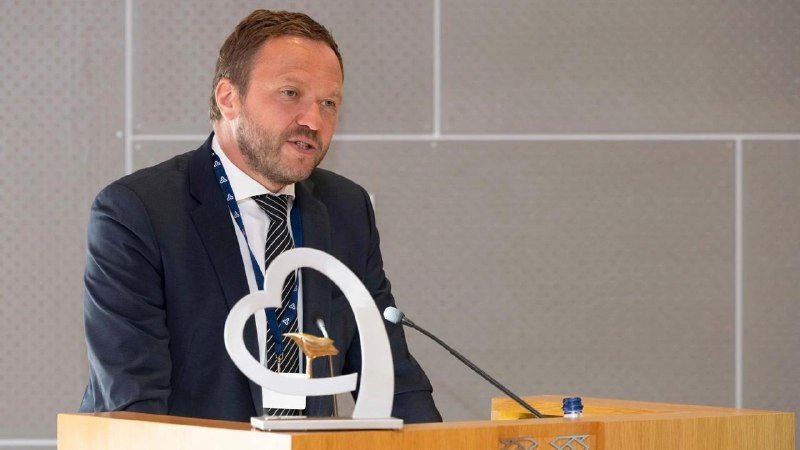
Also on 16 May 2026, Major General Kyrylo Budanov, head of Ukraine's Presidential Administration and a former military intelligence chief, offered a direct assessment on Russian nuclear posture. "If Russia were preparing a nuclear strike on Ukraine, I would know about it," Budanov stated, per Ukrainian military channels. He added that while Russia retains the technical capability to launch such an attack, there was no current intelligence indicating preparation.
The statement arrives amid continued Western scrutiny of Russia's nuclear rhetoric, which has intensified periodically since the 2022 invasion. Western intelligence officials have repeatedly assessed the probability of tactical nuclear weapon use as low but not zero, particularly in scenarios of catastrophic battlefield loss. Budanov's confidence in Ukrainian intelligence penetration — if that is what underpins his statement — suggests either significant human sources inside Russian command structures or a deliberate signal to domestic and Western audiences that the situation remains under assessment.
Counter-Narrative: The Propaganda Layer
Russian state-aligned media framed the exchange differently, emphasising the 41 Russian bodies returned as evidence of Ukrainian cooperation with a broader humanitarian framework. The framing sought to position Moscow as acting in good faith within negotiated arrangements — language that sits uneasily alongside documented violations of POW treatment conventions across occupied Ukraine.
Ukrainian channels, for their part, have consistently framed any exchange as incomplete without the return of all those held. The discrepancy between 526 Ukrainian returns and 41 Russian returns does not appear to have been addressed directly by Ukrainian officials in the thread context. Whether this imbalance reflects differences in casualties, detention populations, or negotiation leverage is not specified in the available sources.
Separately, Budanov's nuclear reassurance arrives as some Western analysts continue to model tail-risk scenarios involving Russian escalation. The balance between calibrated Ukrainian confidence and genuine intelligence assessment is difficult to parse from open sources alone — a limitation inherent to wartime intelligence claims on all sides.
Structural Context: Body Exchanges as War's Accounting
Beyond the immediate political messaging, the exchange reflects the brutal logistics of a grinding attritional war. Both sides maintain active processes for negotiating prisoner-of-war and human remains exchanges through various channels, some official, some mediated by international organisations. Each exchange is simultaneously a humanitarian act and a political resource — deployed publicly to demonstrate commitment to international norms, or to quietly defuse tensions when escalation rhetoric peaks.
The relative scale of Ukrainian returns in this particular exchange does not appear anomalous given the geography of the conflict. Russia's occupation of territories where heavy fighting occurred — Mariupol, Sievierodonetsk, Bakhmut — means Russian forces controlled the means of recovering and retaining Ukrainian remains for extended periods. Ukrainian forces have reclaimed some of those areas, but large stretches of eastern and southern Ukraine remain under Russian occupation, complicating any comprehensive accounting.
Stakes and Forward View
The immediate stakes are humanitarian: families of the fallen await confirmation, and the identification process — when conducted with international oversight — provides at least partial closure. The longer political stakes involve what the exchange signals about current negotiating dynamics. A relatively large Ukrainian return suggests either a significant diplomatic concession from Russia or a calculated gesture ahead of renewed peace-talk attempts.
Budanov's nuclear dismissal, meanwhile, serves a stabilisation function — reducing ambient panic in Western capitals that might otherwise complicate continued military support. Whether his confidence is warranted by intelligence or represents deliberate reassurance for allied audiences is not verifiable from open sources. What is clear is that the nuclear question will not disappear; it remains a background condition against which every escalation in conventional warfare is measured by decision-makers in Kyiv, Moscow, Washington, and European capitals.
This publication's Telegram feed captured the exchange confirmation and Budanov statement within a narrow window on 16 May 2026. Ukrainian government channels have not yet published official figures; identification procedures are ongoing.
Wire provenance
This editorial synthesis draws on the following public wire/social posts:
- https://t.me/operativnoZSU/
- https://t.me/wartranslated/
- https://t.me/osintlive/
- https://t.me/DDGeopolitics/