Iran's Book Fair Policy Signals Shift in Literary Access
Iran's Book and Literature House has eliminated dedicated sections for specialized book categories at its virtual book fair, a policy shift that observers say could reshape what texts are available to Iranian readers.
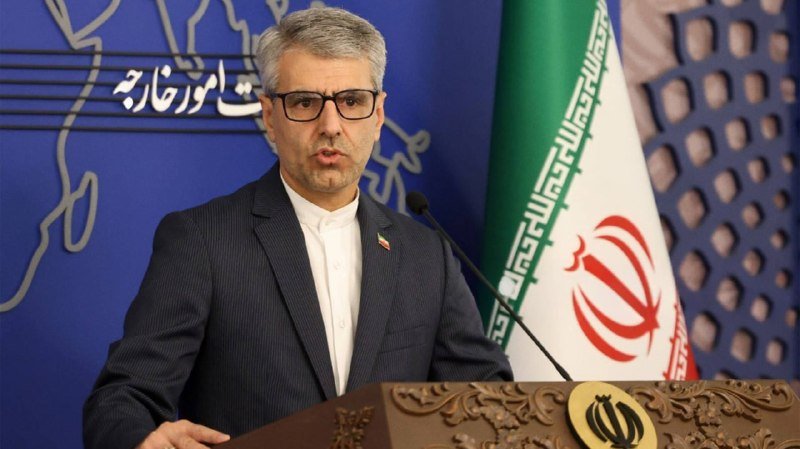
Iran's state literary authority has eliminated the specialized book bins that previously organized texts by distinct categories at the country's virtual book fair, according to an announcement dated 16 May 2026. The Iran Book and Literature House, which oversees the national fair system, confirmed the complete removal of the dedicated sections that had allowed readers to navigate publications designated for specific audiences or disciplines.
The decision affects a distribution mechanism that has long structured how books reach Iranian buyers through state-sanctioned channels. Virtual book fairs in Iran emerged as a formal institutional category roughly five years ago, expanding access beyond the physical Tehran International Book Fair while operating under the same regulatory framework. The elimination of category-specific bins marks a notable departure from that organizational logic.
What the Policy Change Removes
Book fairs in Iran function as a primary conduit between publishers and readers, operating through a licensing system that governs what can be sold through official channels. The specialized bins in question previously grouped titles by classification—whether academic, religious, literary, or juvenile—giving buyers a structured pathway through the available inventory. Their removal collapses multiple browsing categories into a single undifferentiated catalog.
The sources do not specify which particular class designations were affected or whether the change applies equally to all publishers or selectively to certain titles. What is clear is the structural shift: organized access has given way to a more centralized presentation model. Whether this reflects administrative streamlining or a more deliberate intent to narrow reader pathways through the catalog remains a matter the announcement itself does not address.
The Book Fair as Cultural Infrastructure
Iran's book fair system carries significance beyond commercial distribution. The Tehran International Book Fair, the largest such event in the country, has historically served as a barometer of state cultural policy—reflecting what content the authorities deem appropriate for broad circulation and what channels exist for accessing it. State involvement in book distribution through institutions like the Iran Book and Literature House means that pricing subsidies, licensing approvals, and catalog organization all operate within a framework where regulatory oversight shapes the reading public's access to texts.
Virtual editions, which began formal operation during a period of heightened public health restrictions, introduced a parallel channel that preserved the institutional structure while expanding reach. Readers accessing the virtual fair navigated the same categorical frameworks used in physical events, with the bin system providing a browsing architecture that operated independently of algorithmic recommendation. The removal of those bins alters that architecture fundamentally.
Competing Interpretations of the Shift
One reading of the policy holds that consolidation serves readers by simplifying access to a unified catalog rather than fragmenting attention across dozens of sub-categories. In this view, the change is administrative rather than ideological—a streamlining that benefits the average buyer who might otherwise find the categorical structure confusing. Publishers, under this framing, benefit from reduced complexity in how their titles are positioned.
A counter-reading points to what centralized catalog control implies when the state retains authority over what enters the system at all. If category bins previously provided an organized pathway to niche or specialized content, their removal may make those pathways harder to discover. A reader seeking academic religious texts or works in a particular literary genre must now navigate a flatter catalog that buries specialized holdings beneath a general inventory. The change may be neutral in form but consequential in function for anyone who relied on the previous organizational logic.
The evidence available does not settle which interpretation better reflects the intention behind the policy. The announcement contained no explicit rationale, and the sources do not indicate whether the change was framed publicly as reform, adjustment, or retrenchment.
Unresolved Questions and Forward View
Several aspects of the policy remain unclear from the available documentation. Whether the change is permanent or experimental for this year's fair cycle is not specified. The response from publishers, booksellers, or reading advocacy groups has not been reported in the sources consulted. Whether readers have raised concerns about reduced discoverability, and whether those concerns have received any official response, similarly goes unrecorded.
What can be said with confidence is that the elimination of categorical browsing structures at Iran's virtual book fair represents a measurable shift in how the state-organized literary system presents its inventory to readers. For the institutions that manage content licensing and distribution, the change centralizes catalog authority further. For readers accustomed to navigating specialized categories, the loss of that structure creates an ambiguity about what remains accessible and what has effectively disappeared from view.
Desk note: This article draws on a single primary source—a Telegram announcement from the Farsna account reporting the Iran Book and Literature House policy. The piece contextualizes that announcement within the structure of Iran's state-mediated book distribution system, drawing on general knowledge of that system's operations. Wire coverage of the announcement was not identified in the thread inputs.
Wire provenance
This editorial synthesis draws on the following public wire/social posts:
- https://t.me/farsna/12451