Iran Plans Toll System for World’s Most Strategic Oil Chokepoint
Tehran says it will unveil a formal mechanism for managing Hormuz Strait traffic, effectively establishing a toll system on the world’s most consequential oil shipping corridor. The announcement lands as Israel expands operations in Lebanon and Gaza, and as President Trump warns Iran faces catastrophic consequences if it follows through.
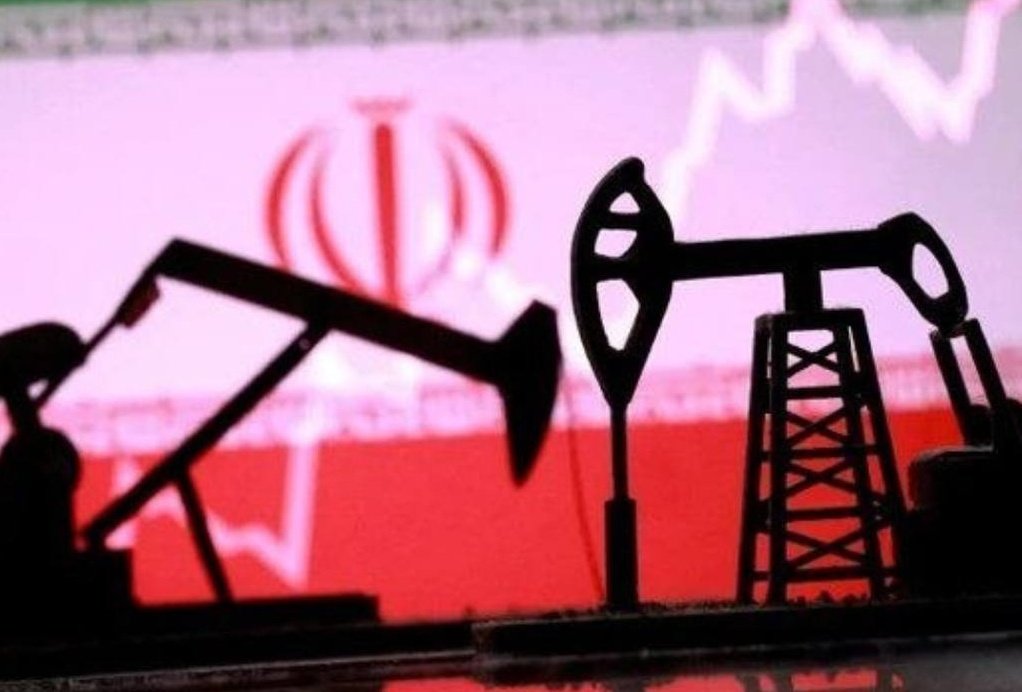
At its narrowest point, the Strait of Hormuz is just 33 kilometres wide. Through that gap flows roughly a fifth of the world's oil and a third of global liquefied natural gas. On 16 May 2026, an Iranian lawmaker told state-adjacent media that Tehran would soon unveil a formal mechanism for managing traffic through the strait — a plan that, in plain terms, amounts to a toll system imposed on the world's most consequential maritime corridor.
The timing is not incidental. The announcement emerged as Israel escalated operations in Lebanon and Gaza, drawing regional attention westward while Iran sought to reinforce its eastern leverage. President Trump, speaking the same day, told reporters Iran would face "a very bad time" if it moved to close or charge for passage through the waterway. The language was blunt. The threat implicit.
What Tehran has announced is a traffic management scheme rather than an outright blockade — a distinction the Iranian framing is at pains to preserve. The lawmaker described the plan as a mechanism to "manage traffic along a designated route," language that suggests regulatory control rather than obstruction. Whether that distinction survives contact with reality depends on how the mechanism is implemented, and on whether any maritime power is willing to test it under live conditions.
What Iran Is Actually Announcing
The Iranian claim, as reported by CGTN, is that Tehran will introduce a system governing which vessels transit the strait and when. The framing positions this as lawful administration of an international waterway. The substance, according to analysts who track Gulf maritime affairs, is closer to a licensing regime with an implied fee.
The distinction matters for how other nations receive it. A blockade is an act of war under international law. A "traffic management mechanism" is a bureaucratic overreach — uncomfortable, potentially illegal, but not automatically a casus belli. That ambiguity is presumably the point. Iran gains leverage either way: if nations comply, they accept Iranian authority over a chokepoint they have historically treated as open. If nations resist, Iran gains a grievance to weaponise in its broader confrontation with Washington.
The mechanism's details remain sparse. The sources reviewed do not specify fee levels, which vessels would be exempt, or what enforcement architecture Tehran envisions. That vagueness is itself informative. An operation this sensitive would typically be accompanied by detailed operational briefings. The absence suggests either that the mechanism is not yet fully designed, or that Iran is deliberately withholding specifics to avoid giving Washington or allied navies a clear target for pre-emption.
The Hormuz Lever and Its Long History
The strait has been a point of Iranian leverage since the Islamic Revolution. What has changed is the context in which Tehran is pulling it. Previous crises — the tanker wars of the 1980s, the mid-2010s confrontations over nuclear compliance — unfolded without simultaneous ground operations on Israel's borders. The current moment combines a multi-front regional conflict with the final stretch of nuclear negotiations between Iran and the United States.
In that environment, the Hormuz announcement is a pressure tactic aimed at multiple audiences simultaneously. It speaks to Washington, which has pledged to prevent Iranian nuclear capability and to contain Tehran's regional footprint. It speaks to European nations, particularly those in the Mediterranean with direct LNG exposure, whose governments have been under pressure from their own populations to reduce energy costs. And it speaks to Asian importers — China, India, South Korea — who have mostly avoided aligning with Western sanctions on Iran and who have the most to lose from Hormuz disruption.
The economic calculus is not subtle. Even a 20 percent reduction in tanker throughput through the strait would send oil markets into a tailspin. A complete closure — unlikely without a broader military confrontation — would be a global crisis on the scale of the 1973 embargo. Iran knows this. The mechanism is not a threat to close the strait. It is a threat to make the strait's management contested, expensive, and uncertain — and to dare anyone to push back.
Washington's Response and the Diplomatic Window
Trump's warning was unvarnished. "Very bad time" is not the vocabulary of strategic ambiguity. It signals that the administration has determined Iran is approaching a red line and that the response, if crossed, will not be limited to economic pressure.
But the sources reviewed do not indicate what specific military posture the United States has adopted in response to the Iranian announcement. US Central Command has not, as of this report, announced a reinforcement of Fifth Fleet assets in the Gulf. The USS Truman carrier strike group remains in the Eastern Mediterranean, focused on Israel-related contingencies. Whether Washington has repositioned assets it has not publicised, or whether it is relying on diplomatic pressure alone, is not disclosed in the available sourcing.
What is clear is that the nuclear negotiations — which the Trump administration had signalled were approaching a critical phase — are now entangled with a maritime flashpoint. Whether this is deliberate Iranian linkage or accidental timing is impossible to determine from the public record. What is certain is that the negotiating leverage on both sides has shifted. Washington cannot be seen to back down on Hormuz without undermining its broader Iran posture. Tehran cannot be seen to withdraw the mechanism without surrendering the very leverage the announcement was designed to generate.
The Weeks Ahead
The immediate test will be whether the mechanism is implemented in preliminary form — a pilot scheme, a single vessel inspection, a fee notice — and how maritime traffic responds. If tankers slow or reroute, markets will price in supply risk. If the United States or its partners deploy naval escorts, Iran faces a choice between escalating or stepping back. Neither side wants a direct military confrontation. Both have built strategies around the assumption that the other will blink first.
The regional context adds a further variable. Israel's operations in Lebanon and Gaza have absorbed significant US diplomatic and military bandwidth. An Iranian provocation in the Gulf, timed to coincide with those operations, may be designed to stretch that bandwidth further — or it may simply reflect Tehran's calculation that the current moment presents its best available leverage regardless of what is happening to the west.
What Monexus will be watching: whether the mechanism announcement is followed by implementation within the coming weeks, whether Washington responds with diplomatic or military signals, and whether Asian importers begin adjusting tanker routing in anticipation of Hormuz fees. The strait has survived decades of tension without a closure. Whether it survives this particular moment without a visible crack in its transit regime is the central question for regional stability and global energy markets alike.
Wire provenance
This editorial synthesis draws on the following public wire/social posts:
- https://t.me/ajaliveblog
- https://t.me/cgtnofficial