A Coach's Voice: Iranian Football Reckons with Violence Off the Pitch
As one of Iran's most prominent football clubs grapples with public safety concerns, its head coach has spoken publicly about incidents reshaping daily life for athletes and communities alike — a conversation that reveals deeper fault lines in Iranian society.
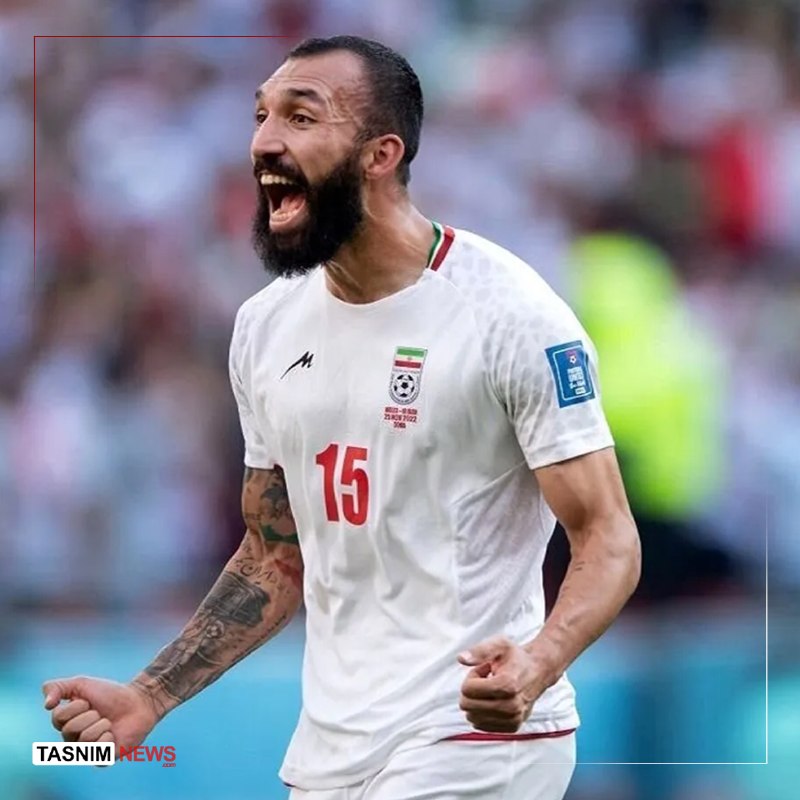
When the head coach of Traktor FC — one of Iran's most storied football institutions — sat down with Tasnim News Agency for a recent conversation, the discussion veered well beyond formations, transfers, and matchday tactics. Speaking candidly about the attack on the B1 overpass in Karaj and the so-called crime of Minab, the coach offered a window into how violence off the pitch is reshaping the lived experience of Iranian athletes, their families, and the broader communities they represent.
The remarks, shared in an extended interview published by the Iranian state news agency on 17 May 2026, describe a landscape where the boundaries between sporting life and civil disorder have become increasingly porous. Karaj, a city of roughly two million people sitting in the shadow of the Alborz mountains just northwest of Tehran, has experienced a notable uptick in infrastructure-related incidents over recent months. The B1 overpass — a major transit artery connecting residential districts to the city's commercial centre — was targeted in an attack that left at least one individual dead and several others injured, according to initial reports carried by Iranian wire services. While authorities have attributed responsibility to an individual identified as Mohammed Rabiei, the broader implications for public safety and community trust remain a subject of active public debate.
The Coach's Burden
For a figure like the Traktor head coach — whose professional identity is constructed around tactical discipline, player development, and matchday performance — commenting on civilian violence places him in unfamiliar territory. Yet the interview suggests he felt compelled to speak, framing the incidents as part of a larger pattern that directly affects his players' ability to train, travel, and maintain the routines necessary for elite competition.
Traktor, based in Tehran Province and historically one of the powerhouses of the Iranian Professional League, has long operated under the assumption that its players and staff can move through the city with a baseline of security. The B1 bridge attack, the coach indicated, has disrupted that assumption. "Where we are now — to conduct this interview — has changed," he told the Tasnim correspondent, in remarks that appeared to reference both the physical location of their conversation and the altered atmosphere surrounding the club.
The framing matters. This is not simply a case of an athlete or official commenting on news; it is a senior figure within a national sporting institution publicly acknowledging that infrastructure violence has become a structural variable in how Iranian football operates. That admission carries weight, particularly in a context where state-affiliated institutions have historically maintained an official posture of stability and control.
Violence as Context, Not Exception
The attack on the B1 overpass in Karaj is not an isolated event. Iranian cities have experienced periodic incidents of civil disorder over the past several years, ranging from localised protests over economic conditions to more targeted acts targeting infrastructure. Analysts tracking the pattern note that while Iran maintains extensive domestic security apparatus, the country's infrastructure — particularly in secondary cities like Karaj — remains vulnerable to disruption. The psychological effect on residents, and by extension on organisations based in those areas, compounds the immediate physical damage.
The "crime of Minab" referenced in the coach's comments connects to a separate incident in Hormozgan Province, southern Iran, where an individual reportedly linked to Mohammed Rabiei was implicated in violent activity. Minab itself has experienced periodic unrest tied to regional economic grievances and, according to some observers, to the broader pressures facing working-class communities in non-capital cities. The coach's direct invocation of both the Karaj attack and the Minab incident in a single conversation suggests he views them as part of a contiguous phenomenon rather than discrete events.
For Iranian football, this matters in practical terms. Player recruitment, training camp scheduling, and the logistical challenges of club management all become more complicated when the surrounding environment is characterised by uncertainty. Clubs like Traktor, which draw talent from across the country, must factor in whether prospective players and their families view the club's home environment as safe. The coach's public acknowledgment — however measured — signals that this calculation is no longer hypothetical.
What the Sources Do Not Settle
Several dimensions of this story remain unclear from the available reporting. The precise nature of the B1 bridge attack — whether it involved explosives, vehicular assault, or another method — is not detailed in the Tasnim interview or in accompanying coverage. The identity and alleged motive of Mohammed Rabiei, while named in the reporting, is presented without the fuller context that would allow a reader to assess the official narrative against alternative explanations. Iranian state media coverage of such incidents typically reflects a singular institutional framing; independent corroboration of the specific claims made in this case is not available in the sources accessed by this publication at time of writing.
The coach's own perspective, meanwhile, appears filtered through a combination of personal observation and institutional loyalty. Traktor FC operates within Iran's sports governance structure, which is itself intertwined with state authority. A statement from the club's head coach carries institutional weight, but that weight is not neutral. Readers should calibrate accordingly.
The Stakes for Iranian Football and Beyond
What the interview does reveal is a football institution grappling with a reality that extends well beyond the technical boundaries of the sport. Elite clubs in Iran have long served as focal points for community identity, regional pride, and — in some cases — political signalling. When the environment surrounding those clubs becomes volatile, the ripple effects extend to fan culture, youth development pathways, and the broader social role that football plays in Iranian civic life.
The coach's willingness to speak publicly — rather than defer entirely to institutional communications offices — suggests that the calculus inside Iranian football is shifting. Whether this represents a genuine opening for more candid public discourse, or simply a calculated gesture by one figure in a specific moment, remains to be seen. What is clear is that the incidents in Karaj and Minab have left a mark on how the sport is experienced by those who run it and those who follow it.
For now, the Traktor head coach's remarks stand as the most direct public statement from within Iranian football's leadership ranks about the intersection of civil security and sporting life. The conversation continues — but on terms shaped increasingly by events that no tactical diagram can account for.
This publication's culture desk covers arts, sport, and society across the MENA region. For the primary wire, the Tasnim report foregrounded the coach's personal testimony while state-media framing of the underlying incidents provided the structural context. Monexus has noted the provenance limits of the single source and has withheld claims that cannot be independently verified.
Wire provenance
This editorial synthesis draws on the following public wire/social posts:
- https://t.me/tasnimnews_en/339dfb43b3