Kazakhstan Sends Humanitarian Aid to Iran as Central Asian State Tests the Limits of Western Sanctions Architecture
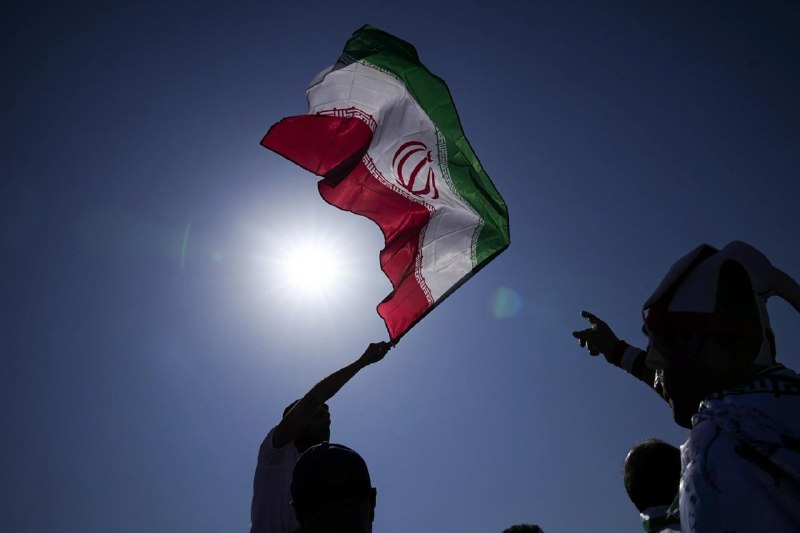
Kazakhstan dispatched thirty rail wagons of humanitarian goods to Iran on 17 May 2026, according to reporting by Tasnim News and Jahan Tasnim, Iranian state-affiliated news agencies. The shipment, described as proceeding under a bilateral humanitarian cooperation framework and on official order from Astana, represents a continuation of a quiet diplomatic practice between the two former Soviet republics and a Caspian neighbour.
The aid arrives at a moment of sustained pressure on Iran's economy. Since the United States withdrew from the Joint Comprehensive Plan of Action in 2018 and reimposed sweeping secondary sanctions, Tehran has faced compounding restrictions on banking, energy exports, and shipping. The humanitarian exception framework — meant to exempt food, medicine, and basic goods from sanctions — has been a persistent source of friction between Washington and intermediaries in the humanitarian supply chain. What Kazakhstan is doing, even at modest scale, touches that fault line directly.
The Immediate Picture
The thirty wagons represent a concrete, if small, gesture. Rail freight between Central Asia and Iran runs through existing transit corridors; the route from Kazakhstan to Iran via Turkmenistan is well-established. The aid, as described by Iranian state media, is framed as humanitarian in character — food, medicine, and basic necessities — consistent with the carve-outs that OFAC licensing frameworks permit even under maximum-pressure regimes.
Kazakhstan's own position is worth noting. Astana has maintained cautious but consistent engagement with Tehran throughout the sanctions intensification period. The two countries share membership in the Shanghai Cooperation Organisation and have overlapping interests in regional connectivity, particularly through the North-South Transport Corridor linking the Caspian to the Persian Gulf. Kazakh exports of grain and mineral commodities have long found Iranian buyers; the humanitarian framing extends an existing commercial relationship into a political register.
The Sanctions Complication
Western officials have consistently argued that humanitarian exemptions are robust and that civilian goods flows to Iran are not meaningfully restricted. Iranian and independent reporting tells a different story: banking correspondent channels remain constrained, insurance and shipping providers pull back from perceived Iranian exposure, and the chilling effect of secondary sanctions deter third-country intermediaries even where activity is technically licit.
Kazakhstan's willingness to move goods under a government-to-government humanitarian label — rather than through private-sector channels that face greater due-diligence risk — reflects a pragmatic calculation. A state-level arrangement carries implicit diplomatic cover. It also signals something to Washington: that a NATO-adjacent ally in Central Asia considers engagement with Tehran necessary, and that unilateral maximum-pressure strategies have limits even among countries with strong US relationships.
The counter-argument, frequently advanced in Western policy circles, is that humanitarian aid to Iran — however genuine in intent — provides cover for revenue streams that fund the Islamic Revolutionary Guard Corps and its regional proxy networks. Every shipment of grain, this view holds, also clears the ledger for oil-sales facilitation and weapons programme funding. The evidence for direct linkages in individual aid shipments is contested; the structural argument about sanctions circumvention as a whole has stronger footing.
The Structural Context
What is happening here is not unusual in the history of sanctions regimes. Secondary sanctions are designed to isolate target states by making third-party engagement costly. But states have agency, and Central Asian governments have spent the past decade carefully diversifying their diplomatic and economic relationships precisely to avoid overdependence on any single great power. Kazakhstan's relationship with Russia remains significant; its relationship with China is deepening; its relationship with the United States involves technical cooperation and development assistance. Its relationship with Iran sits within that same logic of managed multipolar engagement.
The broader picture is a region where the dollar-centric financial architecture increasingly competes with alternative settlement mechanisms. Iran has developed elaborate workarounds — barter arrangements, cryptocurrency settlements, third-country transshipment — precisely because the formal banking system is closed to it. When a country like Kazakhstan sends aid by rail under a government framework, it avoids the correspondent banking layer that creates the most direct exposure to US financial enforcement.
This does not make the aid sinister. It makes it legible within the operational reality of a sanctions environment. Countries that want to maintain principled humanitarian engagement with Iran have learned to structure it in ways that reduce legal risk. That Kazakh logistics expertise in this domain has become a regional asset is not accidental.
Stakes and Forward View
The stakes of this particular shipment are modest in themselves. Thirty wagons is not a strategic reorientation. But the pattern matters. As Iran deepens its relationships with Russia and China — a trajectory accelerated by the Ukraine war and its sanctions aftershocks — the willingness of mid-tier states in the post-Soviet space to maintain their own independent channels with Tehran becomes more significant. It suggests that the US-led sanctions architecture, while damaging to Iran's economy, has not achieved the full isolation that its architects intended.
For Washington, the question is whether to treat Kazakh-Iranian humanitarian engagement as a tolerable exception or as a precedent that erodes the credibility of secondary sanctions. For Astana, the calculation is simpler: Iran is a neighbour with a large economy and a need for food staples that Kazakhstan produces in abundance. Sanctions are a fact of life; neighbours remain neighbours.
What the sources do not specify is the contents of the shipment, its estimated value, whether it was matched by any US diplomatic communication to Astana, or whether additional deliveries are planned. Reuters and AP did not carry separate reporting on the shipment as of publication. The picture as it stands is one of routine regional cooperation operating at the edge of a contested legal and political framework — unremarkable on its face, revealing in what it tells us about the limits of global isolation strategies.
Monexus noted that Western wire services did not independently report this shipment as of the 17 May 2026 publish date, despite its publication in Iranian state-affiliated media and its relevance to ongoing sanctions policy debates. Coverage in Tasnim and Jahan Tasnim ran under a straightforward humanitarian cooperation framing without contextualising the shipment against the broader sanctions architecture or noting US policy implications. This article foregrounds the structural dimension — the intersection of humanitarian exemptions, secondary sanctions enforcement, and Central Asian diplomatic autonomy — that the wire framing omitted.
Wire provenance
This editorial synthesis draws on the following public wire/social posts:
- https://t.me/tasnimnews_en/51478
- https://t.me/JahanTasnim/38291