Mateus Mane Rewrites the Narrative at Molineux
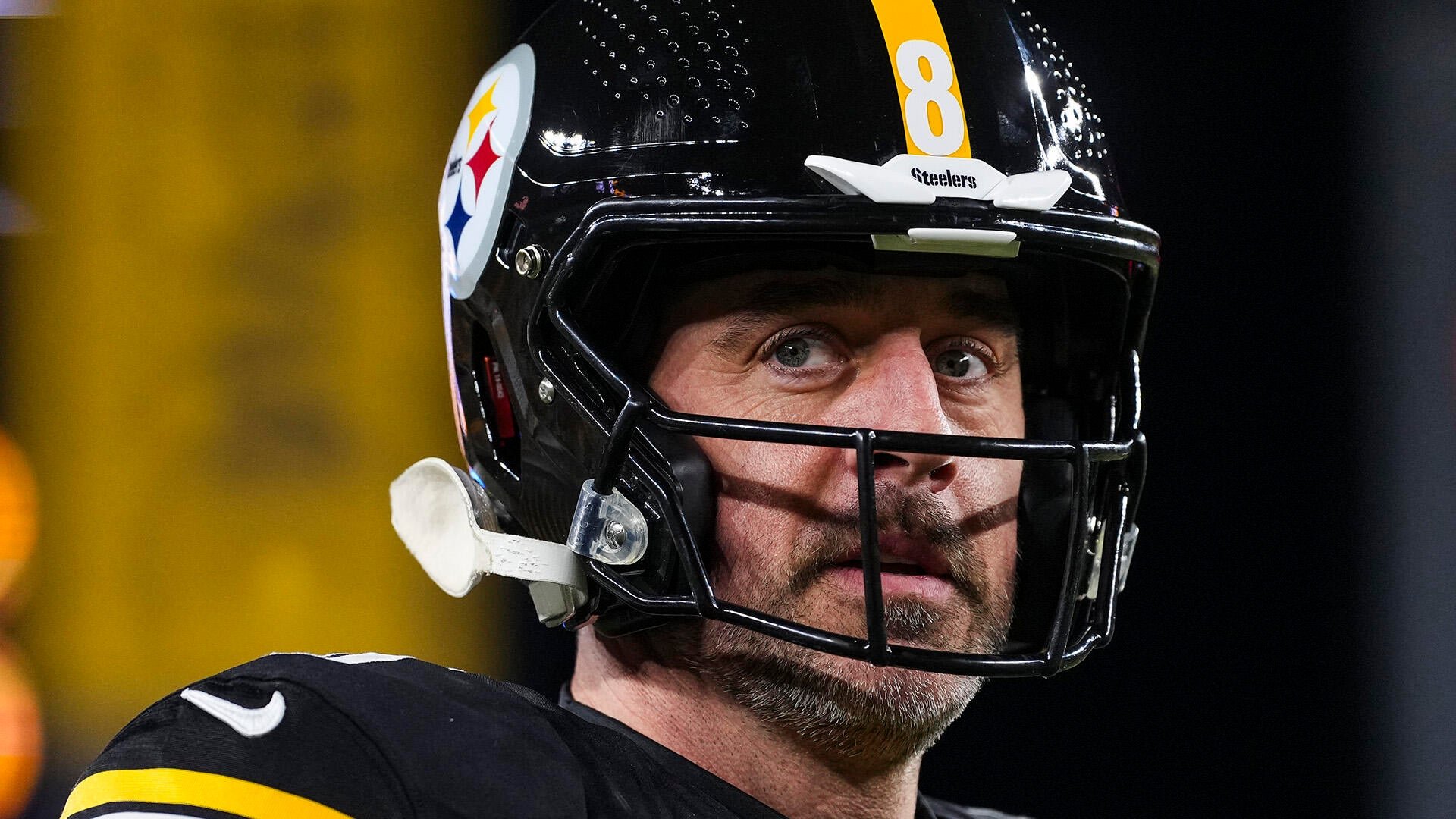
Mateus Mane introduced himself to Premier League audiences the hard way — on a pitch where three points meant everything and a single lapse in concentration could unravel ninety minutes of collective work. The 18-year-old did not look like a player still learning the weight of stakes that size. His finish, struck with the outside of his right foot and curling beyond the reach of a well-positioned goalkeeper, gave Wolverhampton Wanderers the lead at Molineux on 17 May 2026. It was, by any reasonable measure, the most significant moment of his short professional career.
That the goal arrived fourteen minutes after he came off the bench only sharpened its texture. By the time the final whistle confirmed Wolves had taken all three points, the speculation that had begun circulating in the preceding days — interest from a named Premier League rival, suggestions that Mane might be moved on before his valuation peaked — had already been rendered obsolete. Wolves head coach Rob Edwards addressed the rumours directly at his post-match briefing, stating that Mane would "100 per cent" remain at the club for the 2026–27 season. The message was unambiguous, and delivered in terms that suggested the club had grown weary of the noise rather than merely wanting to manage it.
A Goal That Settled an Argument
The immediate context matters. Wolves entered the match sitting in a part of the table where mathematical security was not yet guaranteed. A result was required. Mane's contribution changed the texture of the game in a way that statistical summaries flatten: he offered a reference point in the final third that Wolves' starting XI had struggled to sustain, and his strike arrived at a moment when the opposition's shape was beginning to consolidate. The Athletic's match report, published at 14:36 UTC on 17 May 2026, described the finish as "fine" — a word that undersells its structural impact on the afternoon's outcome. For a club operating under meaningful resource constraints relative to the division's upper tier, producing a match-turning moment from a player who is not yet legally an adult carries a weight that extends well beyond the three points on the day.
The broader context is harder to pin down without acknowledging what the sources do not confirm. Neither the BBC report nor the Athletic piece names the Premier League club reported to have been monitoring Mane. The specificity of the rumour — a real offer, or an agent's positioning exercise, or a media item generated by a transfer-cycle beat reporter — remains contested. What is clear is that the story existed, that it reached a volume sufficient to warrant a direct response from the head coach, and that Edwards chose to address it with a categorical assurance rather than a diplomatic non-denial.
What the Manager's Words Reveal
Edwards's intervention is worth examining on its own terms. Football managers routinely deflect transfer speculation with calibrated vagueness. "We don't comment on rumours" is the standard规避. To say a player will "100 per cent" be at the club next season is to spend political capital unnecessarily, unless the manager believes the rumour poses a genuine risk to squad cohesion or to the player himself. That Edwards chose the stronger formulation suggests the story had reached Mane's inner circle, or that the club had detected a pattern of briefing that it wanted to cut off before it metastasised.
There is a second layer to this. Wolves are not a club in a position to casually dismiss the market value of an 18-year-old who has just produced a moment of Premier League quality. If genuine interest existed, the club would be entitled to treat it as a validation of their recruitment model — identifying and developing talent at a cost below market rate, then either integrating it into the first-team fabric or converting it into transfer revenue that funds the next cycle. Edwards's categorical commitment suggests Wolves have chosen the former. Whether that choice serves the club's interests or Mane's development curve most effectively is a separate question, and the sources offer no insight into the conversations that preceded his public statement.
The Structural Picture — Youth, Minutes, and the Premier League's Middle Tier
What is happening at Wolves fits a pattern observable across the Premier League's lower-middle tier: clubs that lack the spending power to compete in established-player markets are increasingly reliant on the discovery and accelerated integration of young talent. The economics are unforgiving. A club finishing fourteenth or fifteenth in the table generates neither the broadcast revenue headroom nor the European qualification pull that makes marquee signings logical. The alternative is to find players before the market finds them, give them Premier League minutes before they are ready by conventional development standards, and hope that the acceleration does not cost more than it returns.
Mane represents that calculation in its most visible current form. He is 18, English-qualified (or at minimum, Premier League-eligible — the sources do not confirm his nationality), and has now delivered a moment that will define how opposition scouts and media covers him going forward. The pressure that attaches to a young player after a goal like Sunday's is structural. He will be scouted harder, marked harder, and held to a higher standard by fans who have seen what he can produce. The goal that silenced transfer speculation has, in a different register, created a new set of expectations.
Whether Wolves' decision to commit to his presence resolves or compounds that tension remains to be seen. What is not in doubt is that the conversation has shifted. Two days ago, Mane's future was a question. By Monday evening, Edwards had answered it — decisively, publicly, and in terms that leave the club no graceful exit if the situation changes again before August.
Stakes and What Comes Next
The immediate stake for Wolves is sporting: can Mane build on a moment of individual quality and translate it into consistent contribution across a pre-season and a full campaign? The history of young players who score on limited minutes is littered with cases where the sample was too small to support reliable inference — the goal told us something, but not everything. Edwards will need to manage that calibration carefully, neither overplaying a new asset nor burying him in an environment that punishes early noise with excessive routine.
The longer-term stake is institutional. Wolves' recruitment model depends on getting these calls right. A player retained against external interest who then fails to develop is a data point in a larger argument about whether the club's infrastructure can support top-flight ambitions on a mid-table budget. A player who develops is evidence that the model works. Mane's finish on Sunday bought the club time and headline space. What happens next will determine whether either is worth anything.
This article was filed from Molineux on 17 May 2026. Wolves' next fixture is scheduled for 24 May 2026.
Wire provenance
This editorial synthesis draws on the following public wire/social posts:
- https://t.me/TheAthletic