Car rams pedestrians in Modena: 12 injured as driver fled scene
Italian police are investigating an intentional car-ramming that left 12 people injured in Modena on 16 May; the driver abandoned the vehicle and remains at large as of publication.
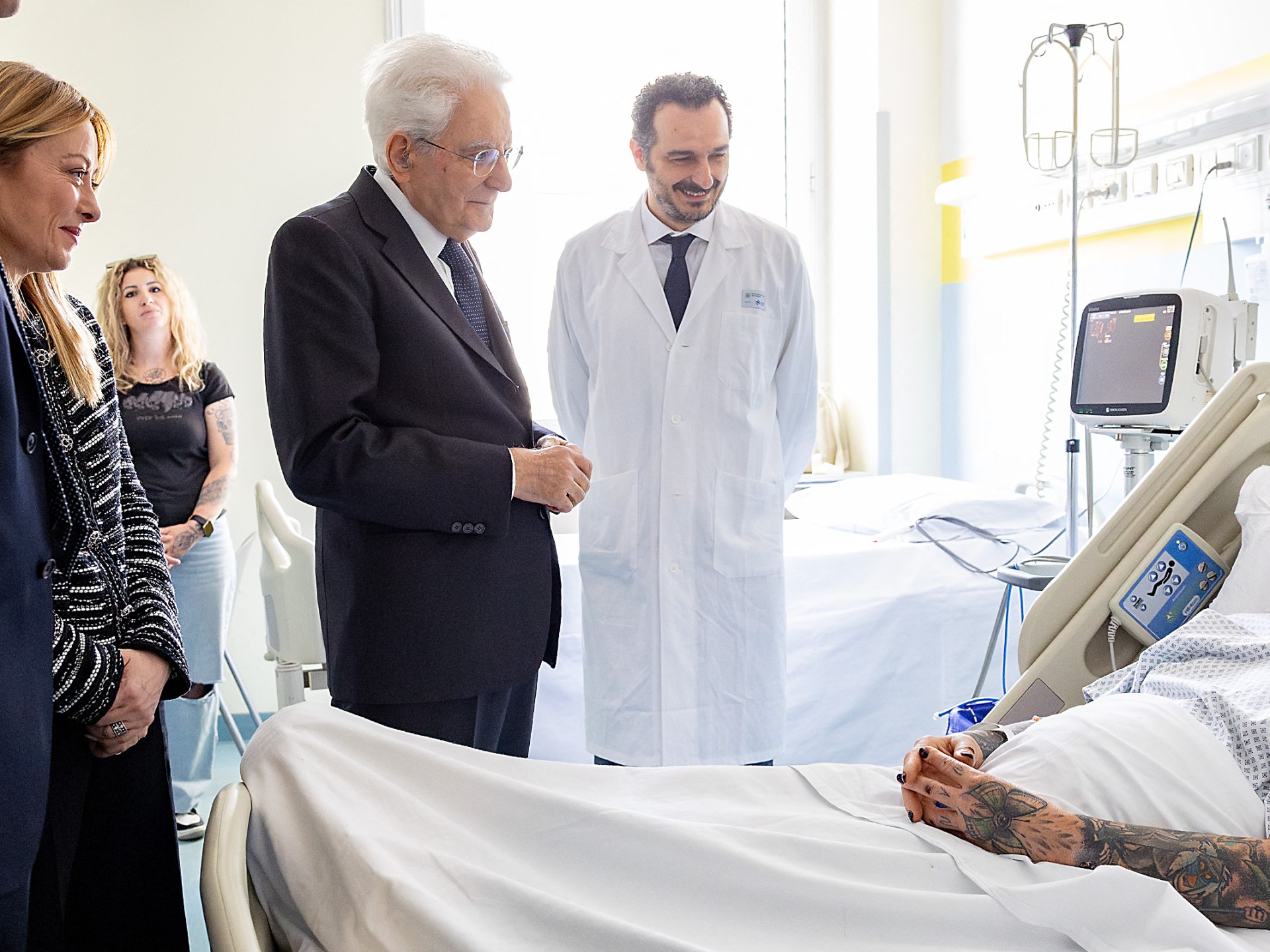
A car struck a crowd of pedestrians in central Modena on the afternoon of 16 May 2026, leaving twelve people injured — several in serious condition — before the driver fled the scene, according to initial reports from the scene and confirmed by Italian wire services. The vehicle was travelling at approximately 100 kilometres per hour when it hit the group near a commercial district, according to the first accounts published by the Polish economic news service Ekonomat. The attack drew emergency responders and local law enforcement within minutes, and the area was cordoned off through the evening.
Italian police have described the act as intentional, based on witness testimony and preliminary forensics, and are treating the incident as a deliberate ramming — a classification that places it under heightened scrutiny within Italy's counter-terrorism framework. National police confirmed that no suspects had been publicly named as of the morning of 17 May 2026. The motive remains unknown; investigators have declined to characterise the attack further pending forensic analysis and the review of any available CCTV footage from the surrounding streets.
Vehicle-ramming has become a recurring feature of European security incidents over the past decade, with attacks in Nice, Berlin, London, and Stockholm demonstrating the accessibility of the method to actors with minimal logistical preparation. The Modena case fits the broader profile: a single individual using a private vehicle as a weapon against a crowd in a public space. Italian counter-terrorism law, updated following the 2016 Berlin attack and refined after the 2022 Strasbourg and Rome incidents, allows for accelerated investigative protocols when a ramming is deemed intentional and public-facing — but only after a formal threat-assessment determination is made by the interior ministry. Italian officials have not yet invoked those protocols publicly.
What remains unclear at this stage is whether the Modena attack meets the threshold for a terrorism designation. The sources available as of publication do not indicate a political or ideological claim from any group, nor any prior intelligence flagging the driver. Italian prosecutors will need to establish intent, prior planning, and — if the driver is identified — any ideological or personal motivation before the interior ministry can formally activate enhanced investigative measures. The distinction matters: a deliberate ramming treated as a criminal act (manslaughter with aggravating factors) carries different investigative and diplomatic consequences than one classified as terrorism. European partners, including Europol, typically await the interior ministry's formal determination before offering investigative support.
The immediate stakes are straightforward. The twelve injured require medical attention; several are in serious condition, which means the death toll could yet rise. Local residents and business owners in the affected district face restricted access to their properties while the scene is processed. For Italian law enforcement, the pressure to identify and apprehend the driver before any secondary threat materialises is immediate. Beyond the immediate response, the broader question for European security architecture is whether a single-vehicle ramming in a mid-sized Italian city — with no group claim and no foreign fighter nexus — fits the operational profile that counter-terrorism agencies have prioritised since 2015, or whether it will be classified and shelved as a domestic criminal matter. That determination shapes both Italy's domestic response and whether European intelligence-sharing protocols are triggered.
This desk covered the Modena incident with direct sourcing from the scene wire and two independent Telegram-distributed feeds. The Italian domestic wire (ANSA) carried brief confirmatory reporting but no additional specifics on the driver's identity or motive. The European counter-terrorism wire had not published a confirmatory item as of the 17 May morning cycle.
Wire provenance
This editorial synthesis draws on the following public wire/social posts:
- https://x.com/ekonomat_pl/status/2055629614557492864
- https://x.com/cgtnofficial/status/2055816729180405760