The Quiet Before the Storm: Washington's Dual-Signal Diplomacy on Russia and Iran
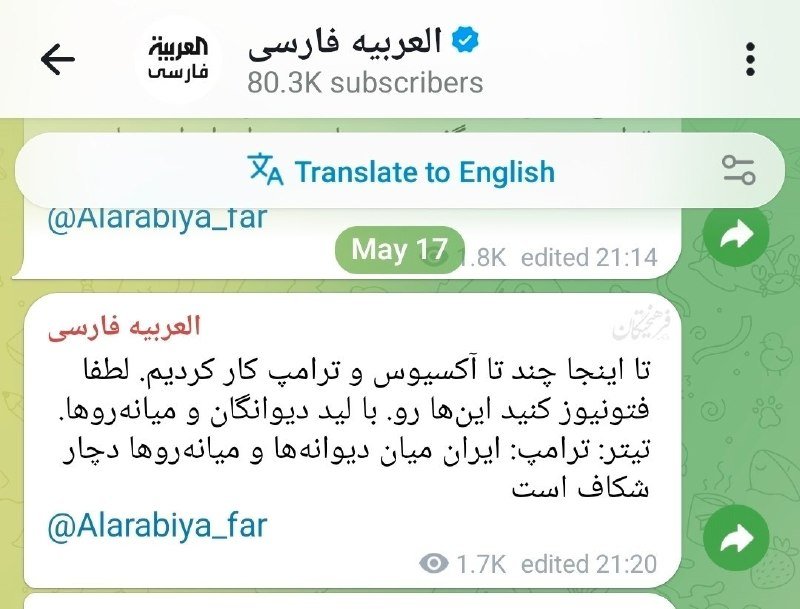
The Trump administration on 17 May 2026 declined to renew a sanctions waiver that had permitted certain countries to continue purchasing Russian crude oil, effectively tightening the noose on Moscow's primary revenue stream at a moment when oil prices remain volatile. The same day, the President told assembled officials that conditions amounted to "the calm before the storm" — a phrase that, in the context of simultaneous White House deliberations on Iran, carried unmistakable weight.
That these two moves landed on the same morning is unlikely to be coincidental. The waiver lapse and the public signal of escalation toward Tehran are better read as twin instruments of the same strategy: applying maximum economic pressure on Russia's fossil-fuel economy while rattling the cage in the Middle East.
The Waiver That Wasn't Renewed
The expired authorization had allowed select importers — notably in Asia — to continue buying Russian crude under a mechanism originally designed to keep energy markets stable while sanctions bites deepened. By letting it lapse without a replacement, Washington effectively closes off one of the remaining loopholes Moscow used to keep its oil flowing westward into Asian refineries. The move matters not because it surprises — traders had been watching the waiver's expiry date for weeks — but because its timing aligns with a broader attempt to demonstrate that the administration's pressure campaign against Russia remains active regardless of ceasefire negotiations elsewhere.
Russian crude has become the financial backbone of the Kremlin's war machine. Every dollar/barrel above the G7 price cap translates into additional revenue that funds operations in Ukraine. Pulling the waiver is a direct attempt to depress that price ceiling and reduce Moscow's fiscal flexibility.
The Storm Metaphor and Its Target
"It was the calm before the storm" is a phrase Trump has used before, in contexts ranging from Hurricane Michael to unspecified military action. Applied now to the Iran situation, it arrives amid reports — confirmed across multiple wire services — that the administration has been weighing whether to walk away from ongoing nuclear talks and restore or escalate sanctions lifted under the 2015 JCPOA framework.
The timing of the metaphor matters more than its content. It was delivered publicly, in a setting where journalists were present, which means it was intended for audiences beyond the room. Tehran was meant to hear it. So were the Gulf states that have been watching the talks closely, and the European partners who helped broker the original agreement.
What Dual Pressure Is Designed to Achieve
The logic behind simultaneous energy and military signaling is straightforward: choke the adversary's income while demonstrating willingness to use force. That combination is meant to alter cost-benefit calculations in Tehran and Moscow alike. If both countries face economic deterioration at the same time as military risk rises, the theory goes, their negotiating positions soften.
The problem with that theory is well-documented. Iran has endured sanctions for more than four decades and shows limited willingness to capitulate under external pressure. Russia has proven similarly resistant, pivoting crude exports eastward and absorbing economic damage long past the point where analysts expected collapse. Maximum pressure has a documented track record of producing resilience, not surrender.
There is also a secondary risk: simultaneous escalation on two fronts stretches American diplomatic bandwidth and risks the appearance of incoherence. The administration presents its Russia policy and its Iran policy as distinct tracks, but markets and adversaries read them as part of the same ledger. A president who is visibly tightening the screws on Moscow while signaling force toward Tehran is making a larger bet than either move alone would suggest.
The Stakes Going Forward
The immediate question is whether the waiver lapse triggers a sharp move in Brent or Urals crude pricing. The secondary question is whether Iran's response — which intelligence sources indicate is already being debated in Tehran — escalates from diplomatic complaint to physical retaliation.
What is clear is that the administration has moved from incremental pressure to a more explicit combination of economic coercion and military signaling. Whether that combination produces the negotiating leverage it seeks, or insteadhardens positions on both sides, will define the next phase of two of the most consequential diplomatic confrontations in contemporary geopolitics.
This publication noted the waiver lapse and the President's remark as co-occurring signals rather than isolated policy events — a framing that diverged from wire reports treating each move independently.
Wire provenance
This editorial synthesis draws on the following public wire/social posts:
- https://t.me/OSINTdefender/4892
- https://t.me/OSINTdefender/4891
- https://t.me/OSINTdefender/4890