Maduro Ally Alex Saab Deported to US as Venezuela Sanctions Reversal Takes Shape
Caracas confirmed on 17 May 2026 that it has handed over former sanctioned businessman Alex Saab to US custody, a move that signals a concrete escalation after months of behind-the-scenes negotiations over Venezuela's sanctions relief.
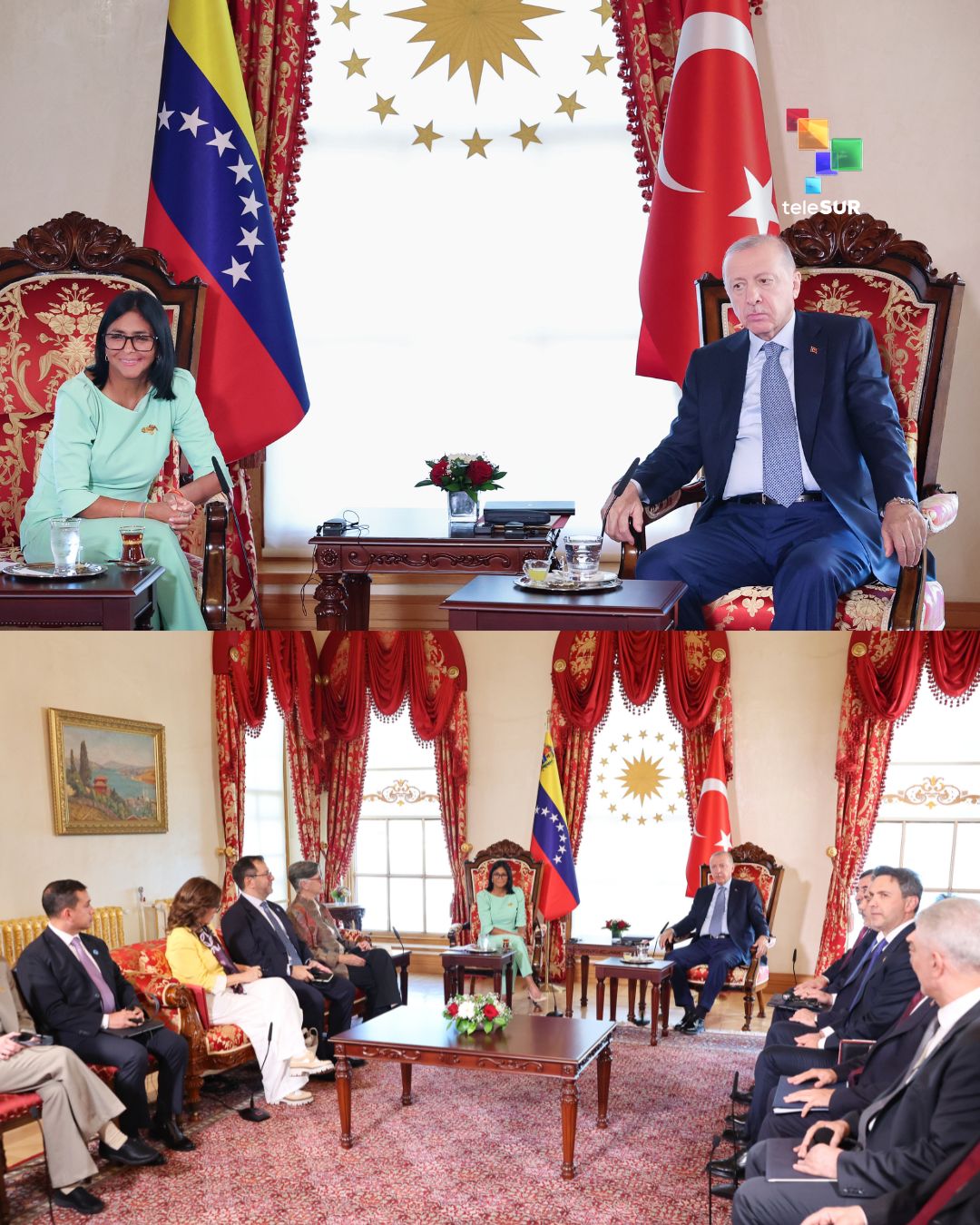
Venezuela's government confirmed on 17 May 2026 that it has transferred Alex Saab — a businessman and close associate of President Nicolás Maduro — to US custody. The announcement came from Communications Minister Miguel Pérez, who stated that Saab had been placed on a plane to the United States. The handover marks a sharp departure from the diplomatic impasse that had defined US-Venezuelan relations for years, and follows a period of quiet negotiation that sources had flagged in the days preceding the transfer.
The timing of the deportation is notable. As recently as 13 May 2026, Venezuelan opposition figures aligned with the interim government confirmed that they were in direct talks with officials in the Trump administration about the prospect of transferring Saab to face prosecution. Those talks, described by sources familiar with the discussions, reportedly centered on money laundering charges that US prosecutors had filed against Saab in connection with a scheme involving food aid contracts under the Maduro government. The speed with which the actual transfer was carried out suggests those negotiations progressed further and faster than publicly disclosed.
Saab's legal history is convoluted. A Colombian national, he was first detained in Cape Verde in June 2020 on behalf of the United States, which had indicted him for using a network of front companies to siphon money from a food-supply program that had been sold to the international community as humanitarian assistance. He spent more than two years in provisional detention before being included in a prisoner swap between Caracas and Washington in October 2022 — a deal that returned Saab to Venezuela in exchange for a group of Americans held by the Maduro government. The swap was itself a product of a different diplomatic moment, one in which the Biden administration had sought leverage through a narrow humanitarian channel rather than broad sanctions relief.
The deportation now raises questions about what concessions, if any, Caracas extracted in return. The most immediate currency on the table has been US sanctions relief. The Trump administration, which重返 executive power in January 2025, had initially maintained the "maximum pressure" posture inherited from the first Trump term. But the calculus appears to have shifted. Venezuelan oil, which has been barred from US markets since 2019, represents a significant potential supply source as global energy markets absorb the effects of continued Middle Eastern instability. Officials familiar with the talks have suggested that the administration was willing to trade sanctions relief — or at least a partial suspension of oil-sector penalties — in exchange for concrete gestures of cooperation, of which the Saab transfer is the most visible.
For Caracas, the calculation is equally transactional. Maduro's government has for years insisted that sanctions are the primary driver of Venezuela's economic collapse — a claim that international financial institutions have partially validated, though with significant caveats about domestic policy choices. A partial sanctions easing would give the government breathing room ahead of any future electoral cycle, and would provide hard currency to a state budget that remains heavily dependent on oil revenue. Handing over Saab — who had returned to Venezuela in 2022 but whose legal status had remained a diplomatic irritant — is a concrete demonstration of willingness to negotiate that the Maduro government can present as a goodwill gesture without conceding on its core political positions.
The opposition angle is more complicated. The Venezuelan interim government, which has operated primarily from exile and has seen its influence erode significantly since the 2024 electoral cycle that the international community widely accepted as fraudulent, was described in press reports as a negotiating party in the lead-up to the transfer. That raises the question of what role, if any, the opposition played in facilitating the handover — and what it received in return. Sources familiar with the talks did not specify any formal concessions made by the opposition bloc, and several figures in the anti-Maduro coalition have publicly questioned whether the deal was made without their knowledge or consent.
The structural significance is harder to miss. US sanctions policy toward Venezuela has cycled through several distinct phases since 2019: comprehensive economic pressure under the first Trump administration, a partial and controversial relaxation during the Biden years in exchange for election commitments that ultimately collapsed, and now what appears to be a renewed attempt at transactional diplomacy under the second Trump administration. The Saab deportation is the most unambiguous signal yet that this latest phase has moved from exploratory talks to active implementation. Whether it represents a genuine thaw or a more elaborate pressure tactic remains to be seen — the administration has not publicly confirmed what it offered in return, and Caracas has incentive to present any sanctions relief as a victory rather than a concession.
What the sources do not yet confirm is the precise charge sheet Saab will face in the United States. While money laundering has been cited as the primary allegation in US indictments dating back to 2020, the specific counts, potential sentence exposure, and whether any plea arrangement is in place remain undisclosed. Neither the Venezuelan communications ministry nor the US Department of Justice had issued formal statements by the time of publication. The gap between the diplomatic announcement and the legal record leaves an open question about the procedural future of a case that has now become central to Washington and Caracas alike.
This publication's reporting on Venezuela has historically emphasized the human cost of sanctions restrictions on ordinary citizens, a frame often underplayed in Washington-centric coverage. The Saab transfer received limited initial coverage from major wire services, which focused primarily on the diplomatic mechanics rather than the underlying economic dynamics that make such exchanges possible.
Wire provenance
This editorial synthesis draws on the following public wire/social posts:
- https://t.me/DDGeopolitics/1234
- https://t.me/rnintel/5678