The Strait of Hormuz Gambit: How Energy Gatekeeping Is Pushing TradFi Into Crypto's Arms
Iran's move to impose routing controls and fees on vessels transiting the Strait of Hormuz has set off a chain reaction — commodity pressure in New Delhi, forex rationing in India, and a leveraged ETH bet by a crypto whale who just lost $32 million. That is not coincidence. It is pattern.
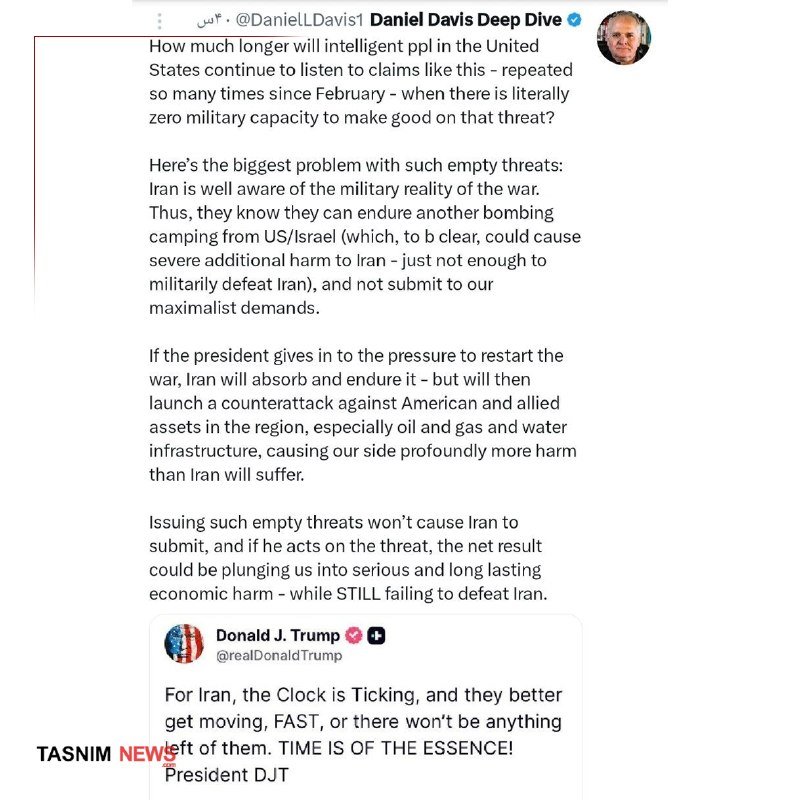
On 16 May 2026, according to Iranian state media, Tehran announced it would soon unveil a formal transit system for the Strait of Hormuz — complete with routing protocols, fee schedules, and safe-passage protocols for commercial vessels. Within forty-eight hours, India had tightened restrictions on silver imports, a commodity trade directly exposed to freight and insurance cost swings driven by Persian Gulf shipping risk. And in the Ethereum market, blockchain data showed a whale who had just absorbed a $32 million loss opening a 25x leveraged long position worth $2.7 million — a bet that the disruption being priced into traditional markets would flow toward crypto as an alternative venue.
The connection is not hard to trace.
Infrastructure Is Leverage
The Strait of Hormuz is not merely a waterway. It is a toll gate. Roughly one-fifth of the world's oil and a significant share of global liquefied natural gas pass through the 21-mile-wide passage between Oman and Iran. Whoever controls the approaches controls a rent stream. Iran has long signalled awareness of this; the 2026 announcement is notable not for the concept but for the formality — a structured, fee-based system implies Tehran intends to extract payment as a matter of sovereign infrastructure pricing, not ad-hoc intimidation.
The move arrives at an exposed moment. Oil prices have been climbing, and the announcement on 16 May accelerated that trajectory in Asian trading. Higher oil means higher import bills for net-energy consumers like India, which depends on foreign exchange reserves assembled under significant pressure. India's move to restrict certain silver imports, reported by Cointelegraph on 17 May 2026, is a downstream symptom: when forex runway narrows, every commodity line item gets reviewed. Silver — used in industrial electronics and increasingly in solar panel manufacturing — is not a strategic reserve metal, but its import bill competes with energy and food lines that cannot be cut. The restriction signals a government managing scarcity signals, not panicking, but managing.
The structural point is straightforward: energy geopolitics translates directly into trade policy at the country level, and trade policy at the country level translates into pressure on alternative asset classes. The chain is well-documented. What is new is the speed of the transmission and the visibility of the speculative response.
The Whale, the Leverage, and the Thesis
Cointelegraph reported on 16 May 2026 that a single Ethereum wallet — classified by on-chain analytics as a major whale — had sustained a $32 million loss before repositioning into a 25x ETH long valued at $2.7 million. 25x leverage means a five percent adverse move on the position wipes out the $2.7 million notional. Whoever runs that wallet is either supremely confident or operating on a time horizon that makes mark-to-market volatility irrelevant.
The thesis implied by that trade is legible: disruption in conventional commodity and currency markets makes crypto assets — particularly Ether, given its role in DeFi collateral and staking infrastructure — relatively more attractive as a non-sovereign store of value. That thesis has been tested before and has consistently failed the timing test. But the data from Cointelegraph on 17 May 2026 also showed Bitmine holding more than five times the ETH of the next largest corporate wallet — a concentration of conviction that suggests at least some institutional actors are building position on the multipolar fragmentation thesis rather than trading it intraday.
This is worth taking seriously even as a sceptic. The precedent set by energy disruptions — the 1973 embargo, the Iran-Iraq disruption of 1980, the 2019 Hormuz tanker seizures — is that commodity price shocks produce durable shifts in which assets countries and economic actors choose to hold for self-insurance. Crypto, whatever its volatility, is denominated in no single nation's central bank balance sheet. That property looks different when the Strait of Hormuz starts generating invoices.
The Precedent That Should Worry TradFi
The last time Hormuz transits faced formalised Iranian control was during the 2019–2020 US maximum-pressure campaign, when tanker insurance markets seized and multiple shipping companies rerouted cargoes around the Cape of Good Hope at enormous cost. That episode lasted months. The current situation, with a named routing and fee system, has the flavour of permanence rather than escalation.
If the transit system consolidates — if shipping companies begin paying the fees and building them into freight rate models — the Strait of Hormuz transitions from a geopolitical risk variable to a fixed cost of global trade. That changes the calculus for commodity importers like India, for energy consumers globally, and for the liquidity positions of central banks already under pressure from dollar-denominated debt service. None of that is bullish for established financial architecture.
The crypto market is watching. On-chain positioning like Bitmine's accumulation and the whale's leveraged bet represent a wager that the answer to broken corridors is a different ledger. Whether that wager pays off depends on whether multipolar fragmentation accelerates enough and fast enough to make the transition worthwhile. The Strait of Hormuz announcement suggests the timeline is compressing.
That is the real story embedded in those Telegram alerts on 16 and 17 May — not three separate market events, but one geopolitical decision and two market responses to it. The question is not whether markets are volatile. They always are. The question is whether the volatility has found a new fault line, and whether the people placing 25x leveraged ETH bets know something that the freight insurers and silver traders are only beginning to price in.
Monexus published these four alerts within a twenty-four-hour window. The wire services carried them as discrete market items. The connection required nothing more than a willingness to read them in sequence.
Wire provenance
This editorial synthesis draws on the following public wire/social posts:
- https://t.me/Cointelegraph/2841
- https://t.me/Cointelegraph/2838
- https://t.me/Cointelegraph/2844
- https://t.me/Cointelegraph/2845