Streeting Enters Race as Starmer Faces Mounting Pressure to Name Exit Date
Keir Starmer is facing renewed pressure to set a departure date after Polymarket bettors assigned a 52% probability to his exit by the end of next month. Former health secretary Wes Streeting formally entered the succession contest on 16 May 2026.
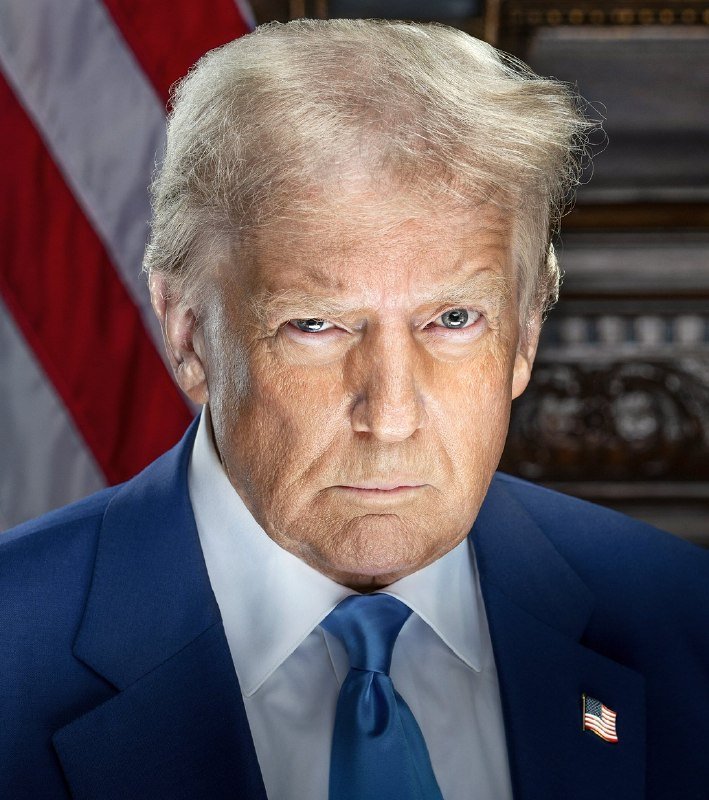
Keir Starmer is facing renewed pressure to set a departure date after Polymarket bettors assigned a 52% probability to his exit by the end of next month. Former health secretary Wes Streeting formally entered the succession contest on 16 May 2026, according to a post on the platform formerly known as Twitter.
Betting markets have moved sharply on Starmer's political future over the past 48 hours, with one contract explicitly referencing an orderly timetable for his departure. The shift follows weeks of declining poll numbers for the Labour government and mounting frustration among backbenchers over the direction of the administration.
Streeting, who served as secretary of state for health and social care under Starmer, announced his candidacy in a post on 16 May 2026. His entry adds a formal dimension to what had previously been speculation confined to Westminster corridors and political betting markets.
The timing is notable. Streeting spent two years at the Department of Health and Social Care, a portfolio that gave him high public visibility during the post-pandemic period but also exposed him to the operational complexities of the NHS that proved politically difficult for the government to manage. His candidacy signals an attempt to position himself as a candidate of continuity with a reformist edge — someone who can appeal to the party's progressive base while projecting fiscal credibility to a skeptical electorate.
Streeting is not the only figure weighing a move, but his formal entry into the contest raises the stakes for Starmer, who has resisted calls to name a clear departure timeline. The prime minister's office has not confirmed when an announcement might come, and allies have disputed characterisations of the situation as imminent. But the Polymarket data and the speed of formal declarations suggest the assumption inside Labour is that change is coming, regardless of whether it is voluntary.
The structural question for whoever follows is daunting. Labour enters this transition without a clear mandate on the defining issues of the parliamentary term. The economic headwinds that constrained the current government's room for manoeuvre have not abated. And the right flank of British politics — already restive under the current opposition — will be watching for any sign of internal Labour division that can be weaponised in future elections.
Streeting's approach, as outlined in his public statements, attempts to thread that needle. He has spoken of the need for the party to win back voters it lost and to demonstrate it can govern with both ambition and restraint. Whether that framing is sufficient to hold the party's coalition together in opposition — or to prosecute an effective campaign from government — is the question that will define whoever wins the contest.
What the sources do not settle: the precise timeline for Starmer's departure remains unclear. The Polymarket odds suggest a 52% probability of exit by month's end, but that is a market signal, not a confirmation. Streeting's formal declaration is on record, but the breadth of his support inside the parliamentary Labour Party has not been independently verified. The Canary's framing — that the political class already regards Starmer as departed while he has not formally acknowledged it — captures the gap between assumption and announcement that characterises this moment.