Svitolina's Rome Triumph Signals a Dangerous Roland Garros Contender
Elina Svitolina's third Italian Open title on Saturday delivered a statement win that should concern every French Open pretendor — and exposed continuing structural vulnerabilities in Coco Gauff's clay-court game that no amount of top-10 pedigree can paper over.
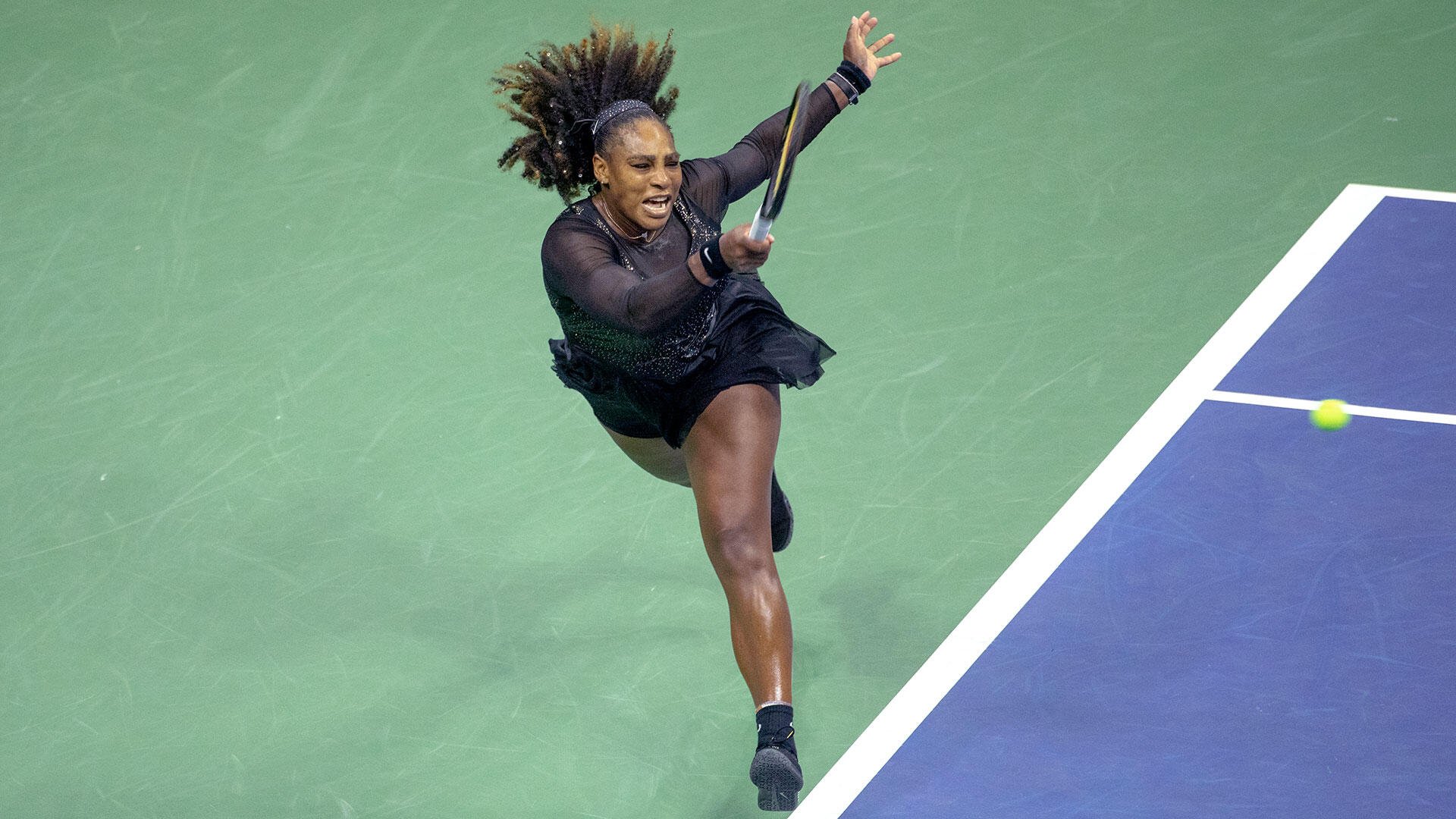
On a blustery Saturday afternoon in Rome, Elina Svitolina did what she has done twice before at the Foro Italico — find a way past a higher-ranked opponent when the stakes climb highest. The Ukrainian's 6-4, 6-7 (3-7), 6-2 defeat of Coco Gauff delivered her third Italian Open title and, more consequentially, announced a serious claim on the French Open crown that has eluded her across a career studded with elite achievements. The scoreline flatters the American in its brevity. The match lasted two hours and thirty-eight minutes, was littered with momentum reversals, and ended with Gauff surrendering the final four games in succession after having briefly salvaged the second set from the brink.
Svitolina's victory is not a surprise to anyone who has tracked her trajectory since returning from maternity leave. What it represents, however, is something more specific: a crystallization of the qualities that make her uniquely dangerous on clay — the low bounce that rewards her flat, penetrating groundstrokes; the ability to absorb pace and redirect it; the court-craft that elite competitors accumulate over years of high-stakes play. She has now beaten Gauff twice in Rome finals. The pattern is not coincidental.
The Gauff Problem That Won't Resolve Itself
The American will depart Rome with the same familiar frustration she carried out 12 months ago. Gauff reached the final in 2025 and lost. She returned to the same stage on May 16, 2026, and lost again. That is not a random outcome — it is a structural data point. Her game, for all its undoubted gifts, has not yet developed the subtleties that clay demands. The serve, which generates significant advantage on faster surfaces, loses efficacy when the bounce rises and the slide slows the return. The forehand, capable of overwhelming WTA opponents on grass and hard courts, sits slightly too upright to consistently hurt a defender as accomplished as Svitolina on this particular terrain.
Gauff's camp will point to the second-set tiebreak as evidence of capability. It was a clinical sequence — seven points, seven won, the set clinched with a backhand down the line that would have tested any defender. But the pattern across both Rome finals is clear: she can win a set against Svitolina when she compresses her aggressive geometry and reduces unforced errors. She cannot sustain it across three sets. The mental erosion in the decider on Saturday was visible, her body language shifting as games slipped away with increasing speed. This is a player who turned 22 in March and has legitimate Slam-winning potential. Rome, for now, remains an immovable obstacle.
Clay-Court Season as a Contender Litmus Test
The WTA clay-court calendar serves as an annual filter between pretenders and genuine Roland Garros threats. Surfaces rewards patience, rewards angle, rewards the ability to construct points rather than simply strike them. The Italian Open, as the final major tune-up before Paris, carries particular diagnostic weight — it is the last chance to surface-test tactical adjustments under genuine competitive pressure.
Svitolina's win answers several questions simultaneously. She is healthy enough to go three sets against a top-flight opponent. Her tactical approach — mixing aggression with the long rallies clay demands — remains intact. And critically, she arrives in Paris with a title under her belt, the kind of confidence injection that separates close losses from close wins at the business end of a Grand Slam. The 6-2 third set she delivered on Saturday was not the tennis of a player entering Paris uncertain of her level. It was the tennis of someone who has found her rhythm and knows exactly what she wants to do with it.
What Comes Next at Roland Garros
The French Open draw will reveal whether the path clears or congests. Svitolina, currently ranked outside the top five, will be seeded to avoid the very top names until the second week — a gift of the ranking system that rewards proven performance on specific surfaces. If she reaches the quarterfinals having conserved energy through earlier rounds, she will be a genuinely dangerous opponent for anyone. Her record against elite players on clay is not theoretical; she has demonstrated it twice in the past fortnight against one of the WTA's most marketable talents.
Gauff's trajectory is harder to project. The American possesses the athletic toolkit to adapt — she has added layers to her game before, most notably the improved net play that helped her win the 2023 US Open. But clay demands a patience that can feel counterintuitive to a player built for pace and penetration. Her team faces a specific challenge: engineering competitive reps on the surface without allowing losing outcomes to calcify into psychological resistance. The Rome final result, repeated across two years, risks becoming a reference point she carries into future encounters with Svitolina on clay — the wrong kind of reference point.
The WTA season will not pause for either player to process what happened on May 16. The French Open begins in nine days. Svitolina will travel to Paris as a titleholder; Gauff as a two-time finalist who must find a way past the same opponent who has denied her twice on Rome's iconic red clay. One of them will need to answer a harder question than the other when the draw is made.
This publication covered the Svitolina-Gauff final as a standalone tennis story with wider French Open implications. Wire coverage focused on the victory as a personal milestone for Svitolina; this article foregrounds the structural pattern the result establishes for both players at Roland Garros.