Trump-Xi Meeting Collapses: US and China Return to Familiar Confrontation
A planned meeting between the US and Chinese presidents in Beijing ended without substantive progress on 17 May 2026, with both sides retreating to characteristic hardline positions on tariffs and trade.
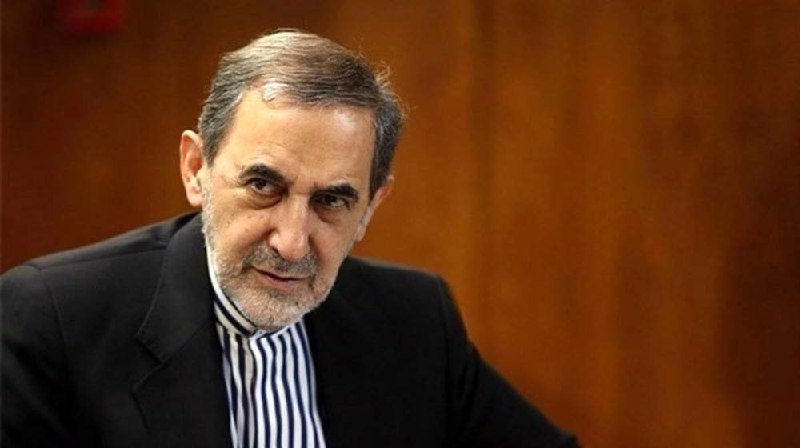
The diplomatic encounter between Presidents Donald Trump and Xi Jinping in Beijing on 17 May 2026 lasted less than the scheduled time. No joint statement emerged. No trade framework was announced. By the time the US delegation departed, both governments had reverted to the confrontational postures that have defined their relationship since the last round of tariffs escalated in early 2026.
The failure of the summit marks a return to familiar friction after a period in which both sides had signaled willingness to negotiate. According to Reuters, the formal meeting collapsed amid disagreements over US tariff demands, with each side publicly attributing the breakdown to the other's inflexibility. The format itself spoke to the depth of the impasse: the two leaders' teams interacted primarily through aides, and the leaders themselves exchanged remarks that, while diplomatically calibrated, made no pretense of accord.
Xi described the discussions as candid and substantive, a phrase Beijing uses to signal that difficult truths were exchanged without softening the underlying disagreement. The Chinese position holds that tariffs harm both economies and that trade disputes should be resolved through consultation rather than coercion. Trump's response, delivered in his characteristic shorthand, was blunt: tariffs were working, and China needed to move first. Neither position shifted during the visit.
Beijing's public framing of the encounter cast it as an exercise in responsible great-power diplomacy. Xi offered the standard formulation: China and the United States stand to gain from cooperation and lose from confrontation. That language is consistent across Chinese diplomatic communications and carries specific weight given the broader geopolitical context. A South China Morning Post opinion piece published the same morning argued that in a world marked by instability — conflict in Europe, tensions across the Middle East, and uncertainty in emerging markets — China positions itself as a predictable counterpart, offering stability rather than disruption. Whether that framing resonates with Washington is a separate question from whether it shapes perceptions across the Global South, where Beijing has invested heavily in diplomatic relationships over the past decade.
The technological dimension of China's self-presentation during the visit received attention alongside the political discussions. SCMP reported on China's deployment of desertification-combating technology derived from innovations previously tested on the far side of the moon. The connection between lunar science and land rehabilitation may seem tangential to the headline negotiations, but it reflects a deliberate communication strategy. China consistently presents scientific and infrastructure achievements as evidence of governance capacity — a counterweight to Western criticism of its development model and a signal that its institutions deliver concrete results. That narrative operates independently of the trade dispute but is not entirely separate from it: part of what Beijing is selling, both to Washington and to the broader international system, is effectiveness.
The collapse of the Trump-Xi meeting does not signal the end of bilateral engagement. Channels remain open; lower-level officials continue to communicate. What it does confirm is that the current trajectory points toward sustained competition rather than near-term accommodation. Trump's tariff regime remains in place. Beijing's counter-tariffs remain in place. Neither side has indicated willingness to reverse course without concessions the other is unwilling to make.
The structural logic here is not complicated. Two economies of this scale, with this degree of mutual exposure, cannot fully decouple without significant economic damage on both sides. They also cannot cooperate without a shared framework for managing the competition that defines their relationship. That framework does not exist right now. What exists instead is managed friction: tariffs, export controls, diplomatic signaling, and the occasional summit that produces headlines but no agreements.
The stakes extend beyond bilateral trade. Emerging economies are watching how the two largest economies handle their disagreements. A stable US-China relationship makes it easier for middle-income countries to diversify their own economic ties. A chaotic one creates pressure to choose sides, which many of those countries would prefer to avoid. Beijing understands this dynamic and positions itself accordingly — not as an ally of the Global South in any ideological sense, but as a functional alternative to a United States that, under the current administration, has made transactional demands and withdrawn commitments that many developing nations had relied upon.
Western media framing of the visit reflected the predictable binary: either the talks would succeed or they would fail. The failure, which is what occurred, is being processed through the same lens. The more interesting analytical question is what the visit revealed about the limits of personal diplomacy in a relationship defined by structural interests. Xi and Trump both understand that their nations' positions on trade, technology, and regional security are not matters of personal chemistry. Summits of this kind serve a signaling function domestically and internationally, but they do not, by themselves, bridge fundamental differences.
What remains uncertain is whether the current stalemate is a stable equilibrium or a prelude to further escalation. The sources do not indicate any hidden diplomatic initiative underway. They do suggest that both governments are calculating the costs of continued confrontation and finding those costs, for now, tolerable. That calculus may change — economic conditions shift, political pressures evolve — but the trajectory as of 17 May 2026 points toward continued friction without resolution.
This publication covered the failed summit through the lens of great-power competition rather than framing it as a diplomatic victory for either side. The Reuters wire framed the meeting as a confrontation; Chinese state-affiliated media framed it as an exercise in mutual respect despite disagreement. Monexus found both framings partially accurate and structurally incomplete.
Wire provenance
This editorial synthesis draws on the following public wire/social posts:
- https://t.me/TSN_ua/123456
- https://t.me/euronews/789012
- https://t.me/SCMPNews/345678