WHO Declares DR Congo Ebola Outbreak a Global Health Emergency as Cases Near 250
The World Health Organization has classified the Democratic Republic of Congo's Ebola outbreak as a public health emergency of international concern, with approximately 246 cases and 80 deaths confirmed. The designation comes as health officials work to contain spread in a region with a history of complex humanitarian challenges.
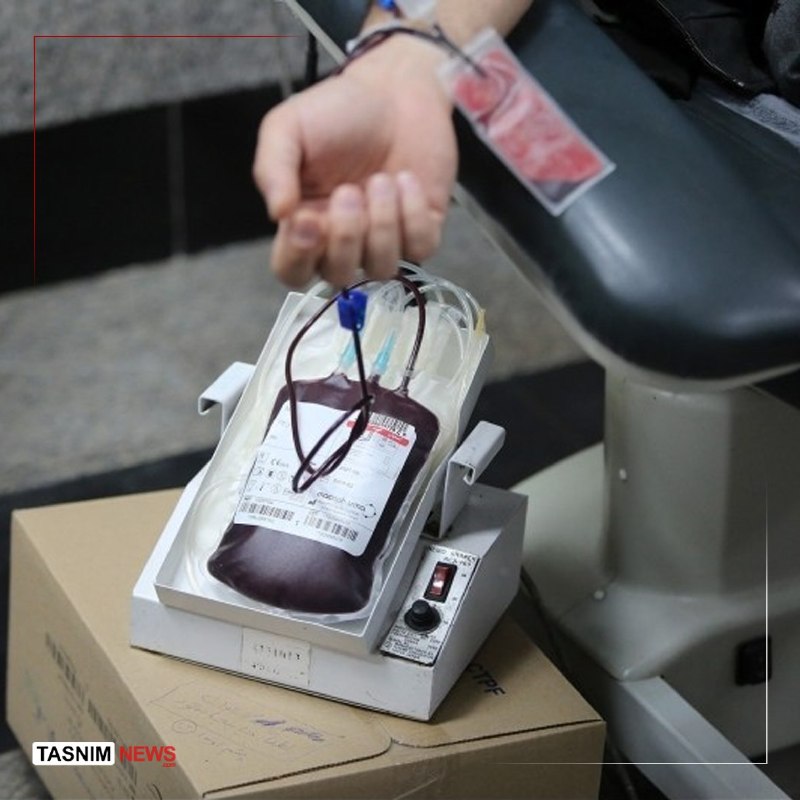
The World Health Organization declared the Ebola outbreak in the Democratic Republic of Congo a public health emergency of international concern on 17 May 2026, activating the highest alert tier under international health regulations. The decision followed confirmation of approximately 246 cases and 80 deaths attributed to the virus, numbers that put the case fatality rate at roughly one in three. The move signals a coordinated international response to contain a pathogen the country has confronted before, in outbreaks that have tested both medical infrastructure and governance capacity in some of the world's most remote terrain.
WHO officials were precise in their characterization: the outbreak meets the threshold for a public health emergency of international concern, but the agency stopped short of classifying it as a pandemic-level threat. That distinction matters. A PHEIC declaration triggers obligations for member states to report cases, support containment measures, and avoid unnecessary trade or travel restrictions that can compound the human cost of an epidemic. A pandemic designation would imply uncontrolled global transmission — a scenario health authorities do not yet see unfolding.
What Health Authorities Are Confronting
The outbreak is concentrated in a region where previous Ebola episodes have collided with humanitarian access constraints, population movement, and in some cases, community distrust of outside medical intervention. The DRC's eastern provinces have hosted multiple Ebola events over the past decade, including the 2018–2020 outbreak that killed more than 2,200 people and exposed weaknesses in international response coordination.
Health workers entering those environments face compounding difficulties. Roads are unreliable. Treatment centers, once established, require continuous supply chains for personal protective equipment, therapeutics, and cold-chain vaccine storage. Contact tracing — the unglamorous backbone of any epidemic response — demands community engagement in areas where state presence is thin and suspicion of authority runs deep after years of conflict and displacement.
The current numbers represent confirmed or suspected cases tallied through surveillance systems operating under those conditions. The actual scope of transmission may be undercounted, particularly in areas where communities are cut off from health facilities or where deaths occur before cases are registered. WHO has acknowledged this uncertainty while standing by the figures as the best available snapshot.
Why This Is Not Being Called a Pandemic
The distinction between a public health emergency of international concern and a pandemic is not semantic. A PHEIC is a legal designation under the International Health Regulations that alerts global health networks to a specific threat requiring coordinated preparedness, without implying that transmission has spiraled beyond containment in affected regions. A pandemic implies sustained person-to-person spread across multiple continents and an inability to slow transmission through conventional public health measures.
On current evidence, DRC health authorities and WHO partners are not describing the outbreak in those terms. Contact tracing is active. Vaccination campaigns using the Ervebo rVSV-ZEBOV vaccine — a product that proved effective in the 2018–2020 response — are underway in high-risk transmission zones. These are the tools that have contained Ebola outbreaks before the pathogen could establish footholds beyond initial epicenters.
That said, the 32.5% approximate case fatality rate is not trivial. Ebola's reputation as a catastrophic pathogen is earned. Even with improved therapeutics available today — including monoclonal antibody treatments that were unavailable during earlier outbreaks — mortality in the range of one in three patients strains any health system's capacity to manage cases at scale. The emergency designation exists precisely because those stakes demand a response that outpaces the virus.
The Structural Context for Outbreak Response in the DRC
Ebola did not emerge in a vacuum. The DRC's history of handling repeated hemorrhagic fever outbreaks has built institutional muscle memory that is more robust than it was a decade ago. The country established a national Ebola response coordination structure following the catastrophic 2014–2016 West Africa event, which killed more than 11,000 people across Guinea, Liberia, and Sierra Leone. That catastrophe prompted reforms in WHO's emergency operations, faster financing mechanisms, and prepositioned medical countermeasure stockpiles.
Those improvements will be tested. The current outbreak is unfolding in an eastern province context shaped by internal displacement, cross-border movement with neighboring countries, and limited state health infrastructure — conditions that have historically complicated Ebola response. The regional dimension is not lost on neighboring health ministries, several of which have already issued alerts and begun border health screening protocols.
International health regulations require that once a PHEIC is declared, member states implement specific obligations within 24 months of the original event. For current outbreak responders, the declaration is less a pivot point than a legal and financial trigger — unlocking emergency funding from WHO's Contingency Fund for Emergencies, activating surge medical staff rotations, and obliging pharmaceutical manufacturers to report production capacity for investigational therapeutics. Whether those mechanisms move quickly enough to outpace transmission will determine whether the current classification proves adequate.
What Comes Next
The immediate test is containment. WHO and DRC health authorities have the regulatory tools, the vaccine, and the response frameworks that were developed through bitter lessons. What they confront is the perennial challenge of epidemic response in hard-to-reach settings: finding and monitoring every contact of each confirmed case, maintaining safe burial practices, sustaining community trust, and keeping treatment centers supplied with gloves, gowns, and antivirals.
The PHEIC declaration carries an implicit assumption that the international system will respond. Past outbreaks have shown that declaration without resource mobilization is insufficient. The 2018–2020 DRC outbreak was contained — barely — after delays in funding, security incidents that forced treatment center evacuations, and initial community resistance that had to be worked through by local health communicators rather than top-down messaging. Those same friction points exist today.
For the communities in the outbreak zone, the stakes are immediate and personal. For global health architecture, this event is a stress test of reforms that were promised after the last catastrophe. Whether the response machinery performs better this time will be measured in the weeks ahead — in case counts, in the reach of vaccination rings, and in the operational reports that WHO member states are now obligated to submit.
This publication covered the WHO PHEIC declaration as the lead institutional action, noting the distinction between emergency and pandemic classifications that several Western wire services handled inconsistently in initial headline language.
Wire provenance
This editorial synthesis draws on the following public wire/social posts:
- https://t.me/BBCWorldoffl/12345
- https://x.com/polymarket/status/1923456789012345678
- https://en.wikipedia.org/wiki/Ebola_virus_disease