The Hormuz Tightrope: What Both Sides Get Wrong About the Iran Standoff
Oil prices climbed and diplomatic tempers flared after Trump gave Iran a deadline on nuclear talks. The reality on the waterway that moves a fifth of the world's oil is more complicated than either side will admit.
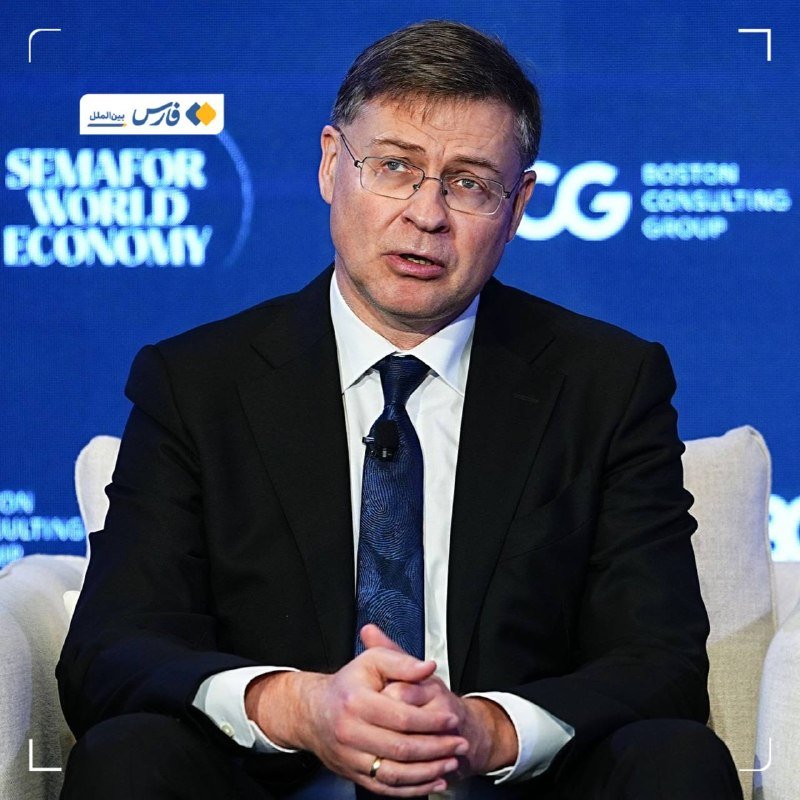
On 18 May 2026, energy markets registered their sharpest daily move in months after President Trump warned that the clock was ticking on diplomatic engagement with Tehran, and simultaneously confirmed that the Strait of Hormuz — the narrow passage through which approximately a fifth of the world's oil flows — had effectively been closed for several days before a partial, contested reopening. The episode exposed something the Trump administration's preferred framing and Tehran's triumphant counter-narrative share: each side needs the other to look unreasonable, and neither is being fully honest about what just happened.
Lindsey Graham, speaking on the same day, said he believed the President fully understood the situation and would not keep tolerating Iran's refusal to negotiate seriously alongside what he described as Iranian aggression in the region. That framing — intransigent theocracy meets a dealmaker running out of patience — is clean and legible. It is also incomplete.
The Closure Nobody Wants to Own
The Hormuz question cuts through every layer of official spin. Iranian state media, in a dispatch flagged by the IRIran_Military Telegram channel on 18 May, described the recent reopening as a humiliation for Washington — a capitulation under economic pressure that forced the White House to back down. That characterization is itself a political product, one that serves Tehran's domestic audience and its regional deterrence narrative.
But the Western framing, in which the White House presents itself as having compelled compliance through pressure alone, is equally convenient. The truth appears to be more mundane and more fragile: a managed de-escalation, brokered under conditions both sides can claim as vindication, with the underlying dispute over uranium enrichment and sanctions relief entirely unresolved.
The Strait's momentary closure was not an accident of geopolitics. It was leverage, exercised deliberately. Iran has used the waterway before as a pressure valve, knowing that even the hint of disruption sends Brent crude spiking and concentrates minds in capitals that depend on Gulf oil. That this leverage exists at all is a structural fact about who sits at the table: a country with a coastline on the Persian Gulf, controlling a chokepoint, sitting across from an administration that has made energy dominance a stated policy pillar.
What the Oil Price Move Actually Tells Us
The price signal is real. BBC reporting from 18 May confirms that oil prices rose after Trump's ticking-clock warning, with markets citing the continued effective closure of Hormuz as the primary driver. A waterway carrying 20-21 million barrels per day — roughly a fifth of global consumption — going quiet is not a marginal event. It registers immediately in futures markets.
What the price move does not tell us is who blinked. Markets price in uncertainty, not moral judgments about who won a diplomatic round. The rise tells us the situation is dangerous and unresolved. It tells us nothing definitive about the balance of concessions.
This is worth dwelling on because both sides want the oil market to do their political messaging for them. A price spike reads as vindication to Tehran — proof that Western economies cannot afford prolonged tension. It reads as vindication to Washington — proof that Iran is the destabilizing force that must be brought to heel. The market, indifferent to both narratives, simply prices the risk.
The Negotiation That Isn't Happening Yet
Senator Graham's confidence that Trump understands the situation and will not tolerate indefinite Iranian foot-dragging is notable, but it sidesteps the central question: what does a serious negotiation with Iran actually look like, and is either side genuinely offering one?
The Trump administration's position, as reconstructed from the public record, demands permanent constraints on Iran's enrichment programme in exchange for sanctions relief. Tehran's position, repeatedly stated, is that its nuclear programme is a sovereign right and that any agreement must acknowledge Iran's status as a signatory to the Non-Proliferation Treaty with full civilian nuclear entitlements. Those positions are not obviously compatible through conventional diplomacy, and the current episode — closure, reopening, ticking-clock rhetoric — is escalation theatre, not negotiation.
The NPT framework underpins the entire non-proliferation architecture. When Iran invokes it, it is not simply posturing; it is invoking a legal framework that the United States helped construct and has a structural interest in maintaining, even when that maintenance is inconvenient. This tension — between the non-proliferation regime's formal equality among signatories and the informal hierarchy that treats some enrichment programmes as legitimate and others as threatening — is the reason previous agreements were so difficult to reach and so fragile once reached.
The Stakes, Named
The short-term losers if this trajectory continues are ordinary consumers in importing economies, where gasoline and heating oil prices track crude. The medium-term losers are the allied economies of the Gulf states — Saudi Arabia, the UAE, Kuwait — whose budgets are calibrated around stable Hormuz transit. The longer-term loser, if the current cycle of pressure and counter-pressure hardens into sustained confrontation, is the non-proliferation regime itself, which depends on a negotiated solution in Iran to maintain credibility as a tool for managing proliferation elsewhere.
The winners, in the near term, are those who benefit from oil price volatility — producing states with sovereign wealth buffers, and traders who profit from dislocations. They are not incentivized to want resolution.
What Remains Contested
The sources do not establish the precise terms under which the Strait reopened, the specific duration of the effective closure, or whether any formal commitment was exchanged between the two sides. Neither the White House nor Tehran's foreign ministry has published a verifiable account of what was agreed or offered. Senator Graham's characterization of Trump's understanding of the situation reflects a Republican senator's political alignment, not a transcript of Oval Office deliberation.
What is not contested is that the passage was disrupted, that it reopened, and that the underlying nuclear dispute — the only thing that could produce durable stability in the Gulf — remains as far from resolution as it was before the standoff.
That silence at the center of the story is, itself, the news.
Wire provenance
This editorial synthesis draws on the following public wire/social posts:
- https://t.me/wfwitness/1842
- https://t.me/IRIran_Military/4521