The Ambiguity Doctrine: Why Tehran's Nuclear Offer Is a Feature, Not a Bug
Iran's counter-proposal to Washington includes a vague nuclear commitment and omits any mention of its enriched uranium stockpile or the Strait of Hormuz. That is not a negotiating gap. It is the negotiating strategy.
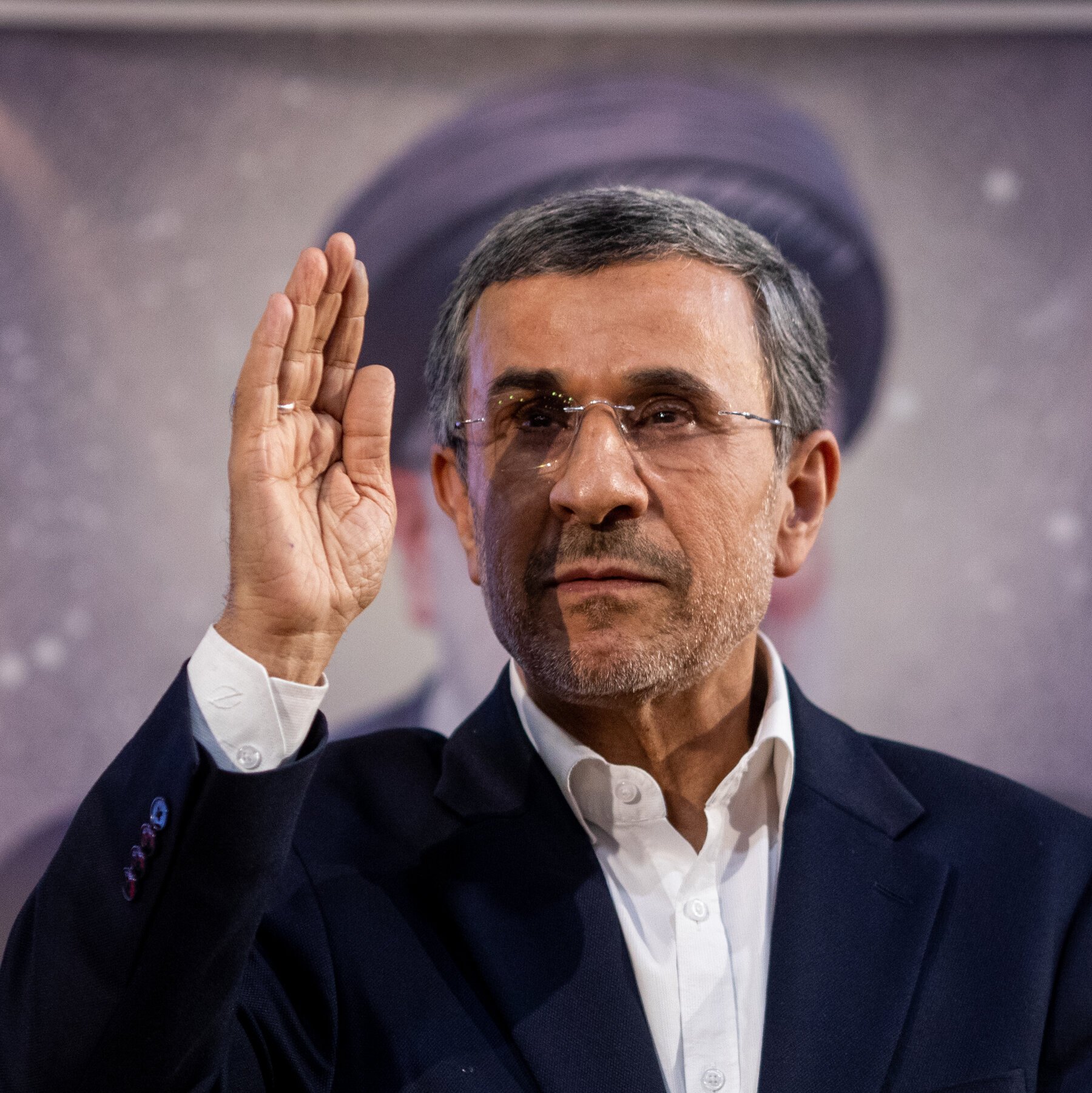
On Hormuz Island in the Strait of Hormuz, an Al Jazeera correspondent broadcast on 18 May 2026 as Iranian officials declared the waterway under their control. Hours earlier, Tehran had delivered a counter-proposal to Washington. The proposal contained a vague commitment not to pursue nuclear weapons. It did not mention the enriched uranium stockpile. It did not mention the Strait of Hormuz. Western outlets framed this as a significant omission — the kind of drafting failure that signals bad faith. The framing deserves scrutiny.
Iran's counter-proposal is not a negotiating gap. It is the negotiating strategy. A commitment not to produce nuclear weapons satisfies the minimum language required to keep talks alive without surrendering the material leverage that makes the program valuable. The enriched uranium stockpile — a threshold stock of material that shortens any weapons breakout timeline — goes unaddressed because acknowledging it would mean surrendering the implicit threat. Tehran has not walked away from the table. It has come to the table with both hands free.
The 24-to-48-Hour Frame
Al Jazeera reported on 18 May 2026 that the United States would likely continue military operations against Iran within 24 to 48 hours. That window, cited across wire services, functions as both deadline and pressure tactic. It also imposes a symmetry on the negotiations that Tehran may be exploiting rather than fearing.
Washington wants a yes or a no. Iran specialises in the maybe that means neither. The pattern is consistent across three decades of nuclear talks: formal engagement that satisfies international partners while preserving the underlying capability. When the US State Department characterised previous Iranian negotiating behaviour as designed to buy time, Tehran's response was rarely denial. The response was that the other side was also buying time, and that time was a resource both sides were entitled to spend.
The 24-to-48-hour frame assumes that an American military timeline disciplines the negotiating table. It may instead be pushing Iran toward a more defensive, less concession-oriented posture than it might otherwise adopt. The sources do not specify whether Iran's leadership interprets the deadline as genuine or as a negotiating position in its own right. But the counter-proposal — delivered, assessed, and found wanting — suggests Tehran is not yet at the point of offering the kind of specific, verifiable commitments the US and its partners require.
What the Omission of Hormuz Reveals
The Strait of Hormuz carries approximately 20 percent of global oil traffic. It is the chokepoint through which Gulf producers move crude to Asian markets, to European refineries, and to anyone else dependent on Gulf supply. Iran has never formally weaponised the strait — that is, it has notblockaded it — but its geographic position makes the threat structurally credible in a way that North Korean missile tests are not.
The fact that Iran's counter-proposal does not address the strait is, in one reading, a concession: Iran is not raising the most disruptive possible lever. In another reading — the more plausible one — it is declining to formally relinquish a card it intends to keep in its hand. Any final agreement that explicitly forecloses Hormuz leverage in exchange for sanctions relief would require Iran to give up something tangible in exchange for something it currently possesses without a formal deal. Tehran appears to be keeping that optionality intact.
This creates a structural problem for Washington. A comprehensive agreement that addresses the nuclear file but leaves Hormuz unaddressed is an agreement that does not actually resolve the regional threat calculus. A Hormuz-specific commitment extracted in exchange for sanctions relief is a concession Iran is unlikely to make outside a broader normalisation process it has not shown signs of seeking. The counter-proposal's silence on the topic may therefore be deliberate, not accidental — an acknowledgement that Hormuz will have to be addressed separately, on terms Tehran believes it can shape.
The Bitcoin Levers
One detail that has received less attention than the diplomatic back-and-forth deserves a closer look. State-linked Fars News reported that Iran's economy ministry has been developing plans to process payments for Strait of Hormuz shipping in bitcoin. If implemented at scale, such a system would allow Iran to receive hydrocarbon revenues outside the dollar-denominated banking system — a structural challenge to the very architecture of sanctions enforcement that Washington has relied on since 2018.
The sanctions regime functions because dollar-denominated oil transactions route through SWIFT, giving the US Treasury leverage over any bank that touches them. A parallel payment rail denominated in bitcoin — even partially — would allow a portion of Iranian oil exports to bypass that channel. The sources do not confirm whether the plan is operational, a serious proposal, or domestic political signalling by a state-linked outlet. The distinction matters. But the structural logic is coherent, and it runs in a direction Washington has worked consistently to foreclose.
Whether through bitcoin-based shipping payments or through conventional deterrence in the strait itself, Tehran appears to be building optionality outside the dollar system. The Bitcoin proposal, even as a trial balloon, signals something important: Iran is not merely seeking temporary sanctions relief. It is working toward a permanent structural workaround to dollar hegemony. That is a significantly more ambitious objective than anything a vague nuclear commitment addresses.
What Comes Next
The immediate question is whether the current diplomatic window closes without resolution. If the 24-to-48-hour military timeline holds, the consequences will be felt most acutely at Hormuz. Iran cannot defeat US military assets in a direct confrontation. It does not need to. It needs to make Hormuz transit expensive enough to matter — and even a modest increase in insurance premiums for vessels moving through the strait registers in global oil pricing in ways that generate political pressure on Washington from a direction the administration may not want to face.
If negotiations continue, the enriched uranium question will have to be answered directly. Iran will resist any requirement to ship material abroad or dissolve the domestic enrichment programme. The US and its partners will insist on something verifiable. The gap between those positions has survived three rounds of talks already and shows no sign of narrowing.
The Bitcoin angle, if it represents genuine policy rather than media performance, introduces a third variable that neither the current diplomatic frame nor the 24-to-48-hour military frame adequately addresses. Tehran may be building infrastructure today that makes tomorrow's sanctions enforcement less effective regardless of what any agreement says on paper.
The sources do not establish what happens next. What they establish is the structural landscape in which any outcome will be shaped: the Strait of Hormuz as the physical fulcrum, the nuclear programme as the diplomatic leverage, and cryptocurrency as the emerging financial back-channel that may determine how much any of it ultimately matters.
Iran's economy ministry floated a bitcoin-denominated system for Strait of Hormuz shipping payments. Whether that represents serious financial engineering or domestic posturing, the structural logic is worth watching closely.
Wire provenance
This editorial synthesis draws on the following public wire/social posts:
- https://t.me/aljazeeraglobal
- https://t.me/Middle_East_Spectator