Iran's Bitcoin Insurance Gambit at Hormuz Is Bigger Than Crypto
Tehran's move to denominate Strait of Hormuz shipping insurance in bitcoin is not a crypto novelty — it is a deliberate strike at the dollar's last stronghold in the Gulf's financial plumbing. The timing, context, and structural logic demand more than a dismissal as sanctions evasion.
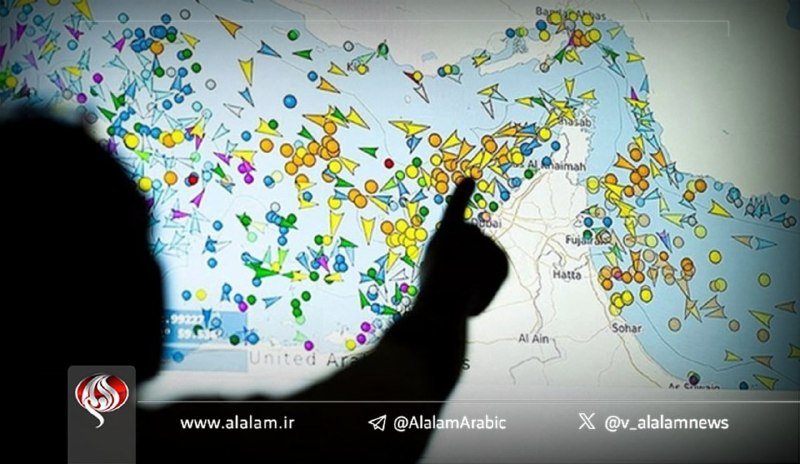
If there is a single chokepoint that tells the story of Gulf geopolitics in one image, it is the Strait of Hormuz. Twenty percent of the world's oil passes through that 21-mile-wide pinch between Oman and Iran. On 18 May 2026, footage circulating on social media showed ships in the lane moving only at Iran's sufferance — a visual confirmation of what maritime insurers and tanker captains have known for decades: access to the Gulf's arteries runs through Tehran's door.
What makes today's picture different is not the footage. It is the financial instrument sitting alongside it. Reports emerging on 18 May 2026 indicate that Iran has launched a bitcoin-denominated insurance product for vessels transiting the Strait. Separately, according to Reuters, Iranian officials are seeking a long-term truce and a phased reopening of the corridor — a diplomatic track running parallel to the financial one. Together, these moves constitute something the Western financial press will instinctively reach for "sanctions evasion" to describe. That framing is not wrong. It is simply insufficient.
What the Insurance Actually Does
The conventional insurance market for Gulf shipping runs on dollar-denominated contracts, underwritten by London and Lloyd's syndicates, priced for a world in which Iran's energy sector operates under layers of Western sanctions. Ships wanting to move through Hormuz without insurance face detention in port, denied entry to subsequent ports, and exposure to naval assets operating under sanctions architectures. The dollar-denominated insurance market is, in effect, a permission structure — one that has been leveraged to deny Iran the shipping revenue its crude exports generate.
Bitcoin changes the geometry of that permission structure. A bitcoin-denominated insurance contract eliminates the dollar intermediary from one of the most consequential touchpoints in global energy trade. Ships can now procure coverage without touching a correspondent bank account, without routing through SWIFT, without triggering the compliance triggers that Western sanctions regimes have built into every layer of the dollar plumbing. It does not make the insurance illegal under Western law. It makes enforcement practically impossible, because the transaction sits on a public blockchain ledger beyond the reach of any court order that does not also compromise the anonymity mechanisms built into the protocol.
This is not a loophole Iran stumbled into. It is a feature Tehran has been building toward since at least 2021, when the Central Bank of Iran began formalising cryptocurrency frameworks for import settlement. The bitcoin insurance product is the logical endpoint of that policy — a sovereign deployment of a non-dollar instrument at the most dollar-exposed chokepoint in global energy markets.
The Truce Diplomatic Track
The Reuters reporting on 18 May adds a second dimension. Iranian officials are reportedly seeking a long truce — a wording that itself signals something more than tactical pause. Truce implies mutual acknowledgment of adversary status with a path toward something less permanent than war. The phased reopening of the Strait that accompanies this request suggests Tehran understands it holds a strong negotiating card and is prepared to move it.
The structural logic is coherent. Iran's bargaining position in any Gulf negotiation rests on three pillars: the geographic chokepoint itself, its nuclear programme, and now this emerging financial infrastructure. The bitcoin insurance product demonstrates that Tehran has diversified away from dollar dependency at the exact point where dollar dependency has been most weaponised against it. That reduces the leverage Western powers can apply through secondary sanctions in any Hormuz-related negotiation. A party that can insure its own shipping without dollar intermediation is less vulnerable to the pressure point Washington has historically relied upon.
Western capitals will read this as bad faith — an effort to buy time while the financial architecture hardens. That reading is probably accurate, but it misses the structural point. Tehran is building an insurance against the next round of pressure, and it is doing so in a way that makes sanctions enforcement a technical rather than a political problem. Once the infrastructure exists, it does not disappear when negotiations fail.
The Dollar's Last Gulf Fortress
The Strait of Hormuz is, in material terms, the last major node in global energy trade where dollar dominance is structurally enforced rather than merely customary. Shipping insurance denominated in dollars has been a quiet pillar of that dominance for forty years. It is not the most glamorous piece of the dollar's international architecture, but it is one of the most consequential — because it reaches every ship that moves, and every ship that moves is a node in a global logistics network that ultimately clears in dollars.
Iran's bitcoin insurance product is the first sustained, state-level effort to sever that specific thread. Previous attempts to circumvent dollar dominance — euro-denominated oil contracts, bilateral currency swap agreements, rupee-denominated trade with India — have run into the same problem: the counterparties, the counterparties' banks, and the counterparties' insurers all still need dollars. The infrastructure for circumvention has existed, but the plumbing to make it work at scale has not.
Bitcoin changes the plumbing question. A public blockchain ledger is jurisdiction-agnostic by design. The insurance contract is a smart contract or its functional equivalent, executable without a bank intermediary. Tehran's move targets the exact point in the dollar's architecture that has been most resistant to substitution — not the oil price, not the contract currency, but the operational insurance layer that makes the whole system legally functional.
What Remains Uncertain
The sources do not provide granular detail on uptake rates, the size of the insurance pool, or the specific technical architecture of the bitcoin-denominated contracts. Whether this constitutes a genuine alternative infrastructure or a politically symbolic gesture with limited practical reach is not yet clear from the available reporting. The Reuters diplomatic track, similarly, offers no detail on what concessions Tehran is prepared to make in exchange for normalisation — or on what guarantees Washington would require before accepting a phased Hormuz reopening.
What is clear is the direction of travel. Iran has identified the most dollar-exposed chokepoint in global energy trade and built a parallel financial infrastructure at that point. The diplomatic overture on 18 May suggests Tehran is simultaneously preparing to negotiate from a position of greater financial autonomy. The Strait of Hormuz bitcoin insurance is not a crypto story. It is a dollar hegemony story wearing a crypto costume.
Monexus covered this development as a structural financial shift rather than a sanctions novelty. The dominant wire framing led with the diplomatic truce angle; this piece foregrounds the financial architecture to foreground the longer game Tehran is playing.
Wire provenance
This editorial synthesis draws on the following public wire/social posts:
- https://twitter.com/visionergeo/status/2056388597922582937/video/1
- https://twitter.com/unusual_whales/status/2056388597922582937
- https://twitter.com/unusual_whales/status/2056388600482582937