Iran and Oman Announce Joint Authority to Manage Strait of Hormuz Transit
Tehran and Muscat say they are designing a dedicated transit mechanism for the world's most critical oil chokepoint, a move that signals a deeper realignment of Gulf governance away from Western-led frameworks.
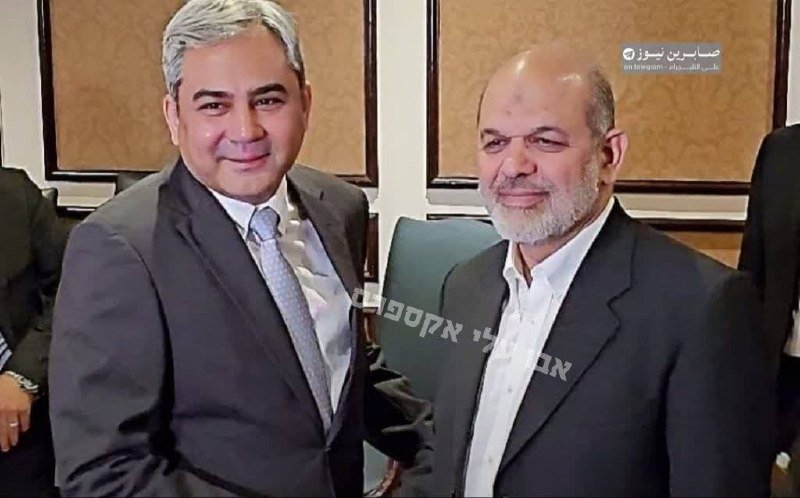
Iran and Oman are jointly designing a dedicated body to manage commercial transit through the Strait of Hormuz, according to statements from Tehran's Foreign Ministry on 18 May 2026. Iran's Foreign Ministry spokesperson Esmaeil Baghaei said the two countries are engaged in continuous consultations to establish what Tehran is calling the Persian Gulf Strait Authority — a framework intended to supersede existing multilateral arrangements for passage through the 33-kilometre-wide waterway that carries roughly 20 percent of the world's oil each day.
The announcement marks the most concrete step yet in what regional analysts have described as a sustained Iranian effort to restructure Gulf security governance along non-Western lines. It comes amid ongoing nuclear negotiations facilitated by Oman, and following weekend reports — confirmed by The Cradle Media on 18 May — that the new authority would also incorporate a bespoke insurance platform for vessels transiting the strait, potentially cutting dependence on Western underwriters who control the bulk of maritime risk coverage for Gulf shipping.
A Waterway That Cannot Be Bypassed
The Strait of Hormuz is the world's most concentrated maritime chokepoint. Roughly 21 million barrels of oil pass through it daily, according to US Energy Information Administration data, and the waterway's narrowest channel is just 3.4 kilometres wide — a fact that has made it the single most geopolitically sensitive piece of open ocean on earth. Any serious disruption to Hormuz transit reverberates immediately in global energy markets, which is precisely why the US has maintained a sustained naval presence in the Gulf for decades and why successive rounds of Western sanctions have repeatedly targeted Iran's energy export infrastructure.
For Iran, controlling the terms of transit through Hormuz has always been both a strategic asset and a geopolitical vulnerability. The strait gives Tehran leverage — a fact acknowledged openly in Western defence planning documents — but that same leverage depends on the Islamic Republic's willingness to weaponise commercial shipping, a move that carries enormous international and economic costs. The new authority, if it comes into being, would give Iran a formal seat at the governance table rather than relying on informal deterrent posturing.
Oman's role is deliberate. Muscat has maintained the most consistently independent foreign policy of any Gulf Cooperation Council member, declining to join Saudi-led embargoes against Qatar and maintaining open channels with Tehran throughout the most acute phases of US-Iran confrontation. Oman also hosts the only US-Oman military facility in the region and has acted as a diplomatic intermediary for Washington in recent nuclear talks — making it the ideal counterweight to accusations that the new authority is purely anti-Western in design.
The Insurance Architecture Question
Weekend reporting by The Cradle Media indicated that the new authority would include a purpose-built insurance product for transiting vessels, potentially offered at rates below those prevailing in London-based maritime underwriting markets. If accurate, this element of the proposal is the most structurally significant: Western maritime insurance — dominated by the International Group of P&I Clubs operating through Lloyd's — is one of the most powerful levers the US and its allies hold over Gulf shipping. Vessels carrying Iranian oil or operating in ways that contravene US sanctions can be excluded from P&I coverage, effectively rendering them uninsurable under international law and making them vulnerable to arrest in foreign ports.
A Hormuz-specific insurance alternative, backed by Iranian and Omani state entities and available to non-Western shipping, would chip away at that architecture without requiring Iran to formally close the strait. It would represent a technical workaround to the dollarised sanctions regime — one that could attract Chinese, Indian, and Russian tanker operators who have grown increasingly frustrated with the extraterritorial reach of US secondary sanctions. Several Chinese shipping firms have already been forced to restructure their Gulf operations following US designation of vessels and intermediaries linked to Iranian oil exports, and a Hormuz mutual-insurance arrangement would give those firms a legal and financial alternative.
Iran's own state insurance sector — including entities linked to the Central Bank of Iran and the Oil Terminals Company — has expanded significantly since 2018, when the US reimposed sweeping sanctions under the Trump administration's maximum pressure campaign. Iranian officials have previously indicated that domestic re-insurance capacity now covers a significant portion of the country's maritime risk, though Western analysts dispute the reliability and scale of those instruments.
Structural Context: Multipolar Infrastructure in the Gulf
The announcement sits inside a broader pattern of non-Western states building parallel institutions to replace or rival Western-led ones. The Shanghai Cooperation Organisation's expansion, the use of local currencies in bilateral energy trade between China and Saudi Arabia, and Russia's development of alternative payment infrastructure for its oil exports all reflect the same underlying dynamic: states with significant economic weight but limited influence over existing multilateral frameworks are constructing their own.
The Persian Gulf Strait Authority, if implemented, would follow that template. Rather than a blunt geopolitical gesture, it would be a functional institution — one with legal, financial, and operational dimensions. Its success would depend on whether it attracts buy-in from major shipping nations beyond the Iran-Oman axis. China, as the world's largest crude importer and the primary customer for Iranian oil under the current sanctions environment, is the most consequential potential signatory. Chinese state oil companies and shipping firms operating in the Gulf have the volume and the incentive to make a new authority viable — but they also have deep existing relationships with the Western underwriting system and would face a difficult calculation between the diplomatic benefits of supporting an Iranian-led framework and the commercial risks of estrangement from London-market insurance.
India, which imports roughly 80 percent of its crude oil and has expanded its Gulf energy relationships significantly in recent years, faces a similar calculus. New Delhi has pursued a carefully balanced Gulf policy, maintaining ties with Tehran while avoiding secondary sanctions exposure. An Omani-hosted insurance vehicle might offer India a middle path — a mechanism that formally complies with neither US nor Iranian regulatory frameworks but allows commercial shipping to proceed without triggering either side's enforcement mechanisms.
Stakes and Forward View
The practical implications of the announcement depend heavily on execution. A joint Iranian-Omani authority announced in principle is far less significant than one that has signed memoranda of understanding with Chinese, Indian, and Russian shipping entities, established a functioning insurance pool, and attracted commercial vessels willing to pay reduced fees in exchange for coverage independent of the Western P&I system.
If the authority reaches operational status, the US faces a dilemma: it cannot credibly threaten military action against a body that includes Oman — a treaty ally hosting US military assets — and it cannot easily sanction an insurance pool that includes Omani state entities without destabilising its own Gulf relationships. That ambiguity is, from Tehran's perspective, the point. The authority doesn't need to displace the existing order to weaken it; it only needs to offer a viable alternative to states that have grown weary of navigating US secondary sanctions.
For global energy markets, the announcement is a warning signal rather than an immediate threat. The strait will not close. But the governance architecture around it — which has for decades rested on a combination of US naval presence, Western insurance dominance, and multilateral norms rooted in Western-drafted maritime law — is now being formally contested from inside the system rather than from outside it. Whether the Persian Gulf Strait Authority becomes a footnote or a milestone depends on which governments decide to engage with it in the weeks ahead.
This publication covered the story through Iranian state media and regional independent outlets. Western wire services had not independently confirmed the proposed insurance platform as of publication. Monexus will update this report as additional sources verify the institutional design details.
Wire provenance
This editorial synthesis draws on the following public wire/social posts:
- https://t.me/thecradlemedia/84742
- https://t.me/presstv/109843
- https://t.me/presstv/109836