Pakistan's Tehran Gambit: Islamabad Steps Into the Iran Mediation Void
Pakistan's interior minister traveled to Tehran on May 18, 2026 for direct consultations with Iranian Foreign Minister Seyyed Abbas Araghchi on ending what Tehran describes as an 'imposed war' — a visit that signals Islamabad's willingness to occupy a diplomatic space Washington and Brussels have largely vacated.
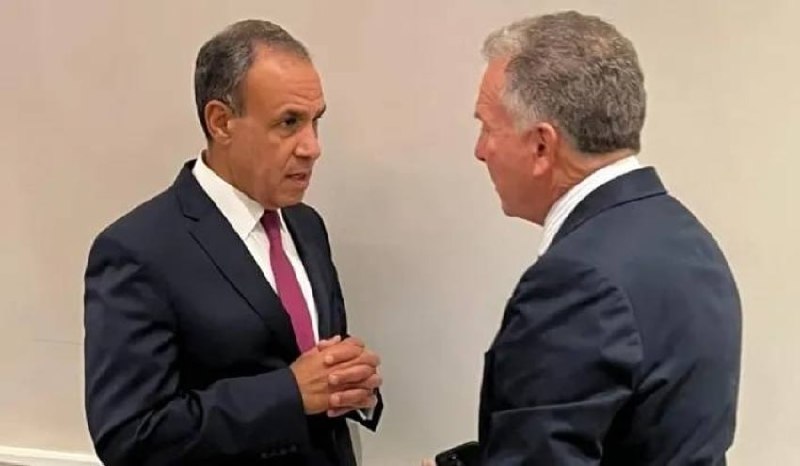
On May 18, 2026, Pakistan's Interior Minister Syed Mohsen Naqvi landed in Tehran for a face-to-face consultation with Iranian Foreign Minister Seyyed Abbas Araghchi. The agenda, as framed by Iranian state media outlets Tasnim and Jahan Tasnim: charting a diplomatic path toward ending what Tehran calls an "imposed war" — a phrase that encompasses the cumulative pressure of Western sanctions, diplomatic isolation, and the ever-present shadow of potential military action. Naqvi's mission, modest in public framing but potentially consequential in substance, places Pakistan in a role the United States and its European partners have shown little appetite to occupy.
The visit is notable precisely because it is happening at all. For years, Western policy toward Iran has relied on a combination of sanctions intensification and diplomatic disengagement — a strategy that has produced neither regime change nor verifiable concessions on nuclear activity. Into that vacuum, a middle regional power is probing whether back-channel dialogue, however informal, might accomplish what maximum-pressure campaigns have not. Islamabad's calculus is not purely altruistic. Pakistan shares a 959-kilometre border with Iran, carries its own economic exposure to regional instability, and faces its own bilateral pressures from Washington. A stable Iran, or at minimum a less-belligerent one, serves Pakistani interests regardless of how the Western alliance community frames the relationship.
What the Tehran Talks Actually Address
The public record is thin on specifics, which is itself instructive. Neither Tasnim nor Jahan Tasnim — both Iranian state-affiliated news agencies — detailed the precise diplomatic formula Naqvi was carrying. "Ways to end the imposed war" leaves substantial room for interpretation. It could refer to the sanctions regime, which the Islamic Republic has long described as economic warfare. It could gesture toward the nuclear file, where International Atomic Energy Agency inspections remain contested and where each round of escalation carries non-proliferation implications that reach well beyond the Persian Gulf. Or it could be something broader: a Pakistani attempt to lower regional temperature ahead of any miscalculation that could draw Islamabad into a conflict it neither wants nor can afford.
The absence of a published joint communiqué or concrete proposal suggests the consultations remain exploratory. That is not unusual for initial diplomatic contact of this kind — governments rarely broadcast the substantive content of back-channel exchanges before terms are at least tentatively agreed. What is observable is the signal: Iran is willing to receive a Pakistani interlocutor at the foreign minister level, and Pakistan's interior minister felt it worth the political cost of the trip.
Pakistan's Strategic Posture
Islamabad's willingness to engage Tehran directly reflects a broader recalibration in Pakistani foreign policy that has been accumulating for some time. The country's traditional alignment with Gulf Arab states — Saudi Arabia and the UAE in particular — has not evaporated, but Pakistan has shown increasing willingness to hedge. The India dimension complicates any neat alignment: New Delhi's own complicated relationship with Tehran, including chador diplomacy and infrastructure investments in the Chahbahar corridor, gives Pakistan reason to monitor rather than simply oppose Iranian regional behaviour.
Naqvi's role as the traveling envoy is itself worth noting. An interior minister is, in most diplomatic conventions, an odd vehicle for foreign-policy outreach of this sensitivity — interior ministries typically handle domestic security, border management, and law enforcement cooperation. That Islamabad chose this channel may indicate the consultations carry a law-enforcement or border-stabilization dimension alongside the broader diplomatic outreach. Alternatively, it may reflect a desire to keep the conversations deliberately below the foreign-ministry radar, insulating them from the kind of Western scrutiny that typically attends official diplomatic exchanges with Tehran.
The "Imposed War" Language and Its Audience
Iranian state media's description of the situation as an "imposed war" deserves analytical attention beyond its rhetorical function. The framing is designed for a domestic audience accustomed to nationalist grievance language, but it also carries a specific international proposition: that Iran is the object of external aggression rather than a responsible actor in regional tensions. Whether or not one accepts the framing, it shapes how Tehran approaches any negotiation — as defensive posturing rather than concession-seeking.
Western governments have generally declined to engage this framing substantively, preferring to anchor their Iran policy in nuclear non-proliferation language and human rights concerns. That approach has produced consistent pressure without consistent progress. The Pakistani initiative, if it amounts to anything substantive, represents a different diplomatic grammar: not demanding Iranian concessions on nuclear activity or regional behaviour, but asking whether there is a shared interest in de-escalation that both sides can present as a win.
Stakes: Who Benefits if Talks Succeed, Who Loses if They Fail
If Naqvi's consultations produce even preliminary diplomatic traction, the beneficiaries are multiple. Pakistan gains relevance as a regional mediator at a moment when its economy remains fragile and its regional posture under continuous Western scrutiny. Iran obtains a diplomatic opening without having to engage the US or European interlocutors it has reason to distrust. Regional stability, particularly along the shared border where smuggling networks and insurgent movements periodically cross the frontier, improves marginally.
The costs of failure are asymmetric. If the talks collapse or are perceived to have been rebuffed by Iran, Islamabad bears the diplomatic embarrassment of an outreach that went nowhere — and the Western alliance community will note that Pakistan tried a channel it had explicitly declined to pursue. If, however, the consultations produce a genuine de-escalation framework, Washington and Brussels face a question they have systematically avoided: whether the Iran problem is more tractable through regional intermediaries than through the direct-pressure framework that has defined their approach for the better part of a decade.
What remains uncertain is whether Naqvi's visit represents the opening of a sustained diplomatic channel or a single, non-repeating gesture. The source material does not indicate follow-up meetings are planned or that any substantive proposal was tabled. This publication will monitor for further reporting from Tehran and Islamabad as the consultations — or their absence — continue to generate public record.
This article uses Iranian state-affiliated media as its primary sources, with explicit framing caveats applied to the "imposed war" language. Western government positions on Iran policy are characterized as established in public record; this publication has not independently verified the specific scope of sanctions or military posture the "imposed war" framing references.
Wire provenance
This editorial synthesis draws on the following public wire/social posts:
- https://t.me/tasnimnews_en/41289
- https://t.me/JahanTasnim/41289