PGMO admits handball error that helped Manchester United beat Nottingham Forest
The referees' body has confirmed that Wolves' goal in Manchester United's 3-2 win over Nottingham Forest on 17 May 2026 should have been disallowed, a decision that could carry title-race implications.
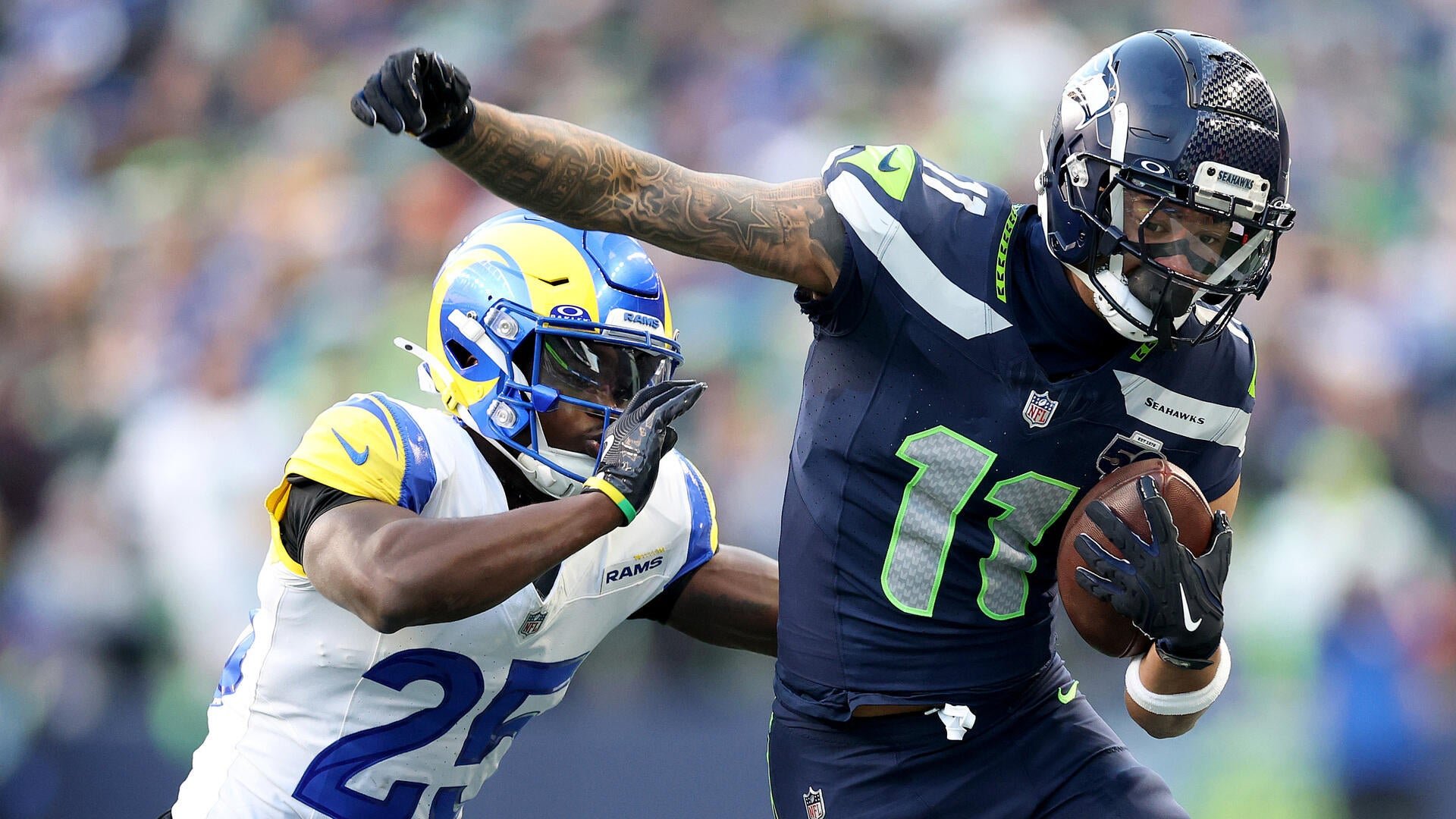
The Professional Game Match Officials Limited confirmed on 18 May 2026 that Manchester United's second goal in their 3-2 win over Nottingham Forest should have been disallowed. The ball struck Wolves winger Bryan Mbeumo's arm in the build-up to the goal scored by Matheus Cunha. PGMO, the body responsible for referees in English professional football, acknowledged the handball error in a post-match review. The admission arrived 24 hours after a match that, depending on how the Premier League title race resolves, may come to be defined by it.
The error raises straightforward questions about officiating competence and the limits of technological support. Former Premier League referee Dermot Gallagher, writing for Sky Sports, identified the incident as a clear and obvious error that VAR should have spotted. The handball was committed in the build-up to a goal, during open play, on a ball that struck an arm held away from the body. That PGMO now concedes the point does not retroactively alter the scoreboard, but it does sharpen the accountability questions the league faces.
The Incident in Context
The match at the City Ground on 17 May 2026 produced three goals for Manchester United and two for Nottingham Forest across a fast-moving contest. Wolves, not a party to the fixture, were the collateral losers. Mbeumo's handball occurred as Diego Dalot's cross arrived; Mbeumo trapped the ball against his side using his arm to control it, then played it on to Cunha, who finished. The move was fluid. The handball, on review, was not marginal.
PGMO's post-match assessment, released publicly, confirmed that referees admitted the error. The acknowledgment came without the detailed breakdown that clubs and supporters increasingly demand from officiating reviews. The nature of the admission—a single-sentence concession rather than a full VAR-log explanation—leaves structural questions unanswered about why the on-field official and VAR both missed the incident.
The Case for Disallowing the Goal
Dermot Gallagher was direct in his Ref Watch column for Sky Sports on 18 May 2026. Mbeumo used his arm to trap the ball to his side to help better control Dalot's cross, and that arm was in an unnatural position relative to his body. The laws of the game treat deliberate or instinctive use of the hand or arm to gain possession or impact play as a handball offense. The fact that Mbeumo may not have intended the contact is irrelevant under the current interpretation—the outcome, not the intent, determines the offense.
BBC Sport pundits Mark Schwarzer and Dion Dublin, reviewing the incident on 17 May 2026, reached the same conclusion independently. The handball was evident on replay. The build-up that followed was a direct consequence of that contact. On any consistent application of the rules, the goal cannot stand.
The Structural Dimension
English football has invested heavily in VAR since its introduction, with the stated aim of eliminating clear and obvious errors. That aim is not being met consistently enough to preserve institutional credibility. A missed handball in open play—among the more straightforward categories of offense—is not an边缘 case. It is the kind of incident the system was designed to catch.
The broader pattern is one of persistent inconsistency. The Premier League has lived with handball controversy since the rule was tightened following the 2018 World Cup. Multiple interpretations coexist: what counts as natural body position, what level of arm elevation constitutes an offense, and when a ball bouncing off a player's torso becomes handball. These ambiguities are well-documented. They are also, in principle, resolvable through clearer guidance and stricter consistency enforcement. The league has not resolved them.
Stakes and What Comes Next
The title race in the Premier League has produced a sequence of narrow margins across the 2025-26 season. A goal that should not have counted, contributing to a result that reshapes the table, is not an abstract officiating failure. It is a concrete intervention in a competitive outcome. Wolves—whose fate is tied to the league's structure through their player being involved in the play—have grounds for complaint. Nottingham Forest, who played against a side benefiting from an illegal goal, have stronger ones.
PGMO's admission, while factually correct, does not address the underlying problem. The error was made. The goal stood. The technology and the officials in place failed to correct it. Whether the league's hierarchy treats this as a systemic data point requiring reform, or files it as an isolated acknowledgment, will say more about the institution than the single-sentence statement it released.
PGMO has publicly acknowledged the handball error. This article records that admission and reports the independent expert analysis that supports it.