Shai Gilgeous-Alexander Caps Historic Season With Back-to-Back MVP
Shai Gilgeous-Alexander becomes the 14th back-to-back Kia NBA MVP winner and the first player in over sixty years to score 20 or more points in every regular-season game, drawing effusive praise from peers across the league.
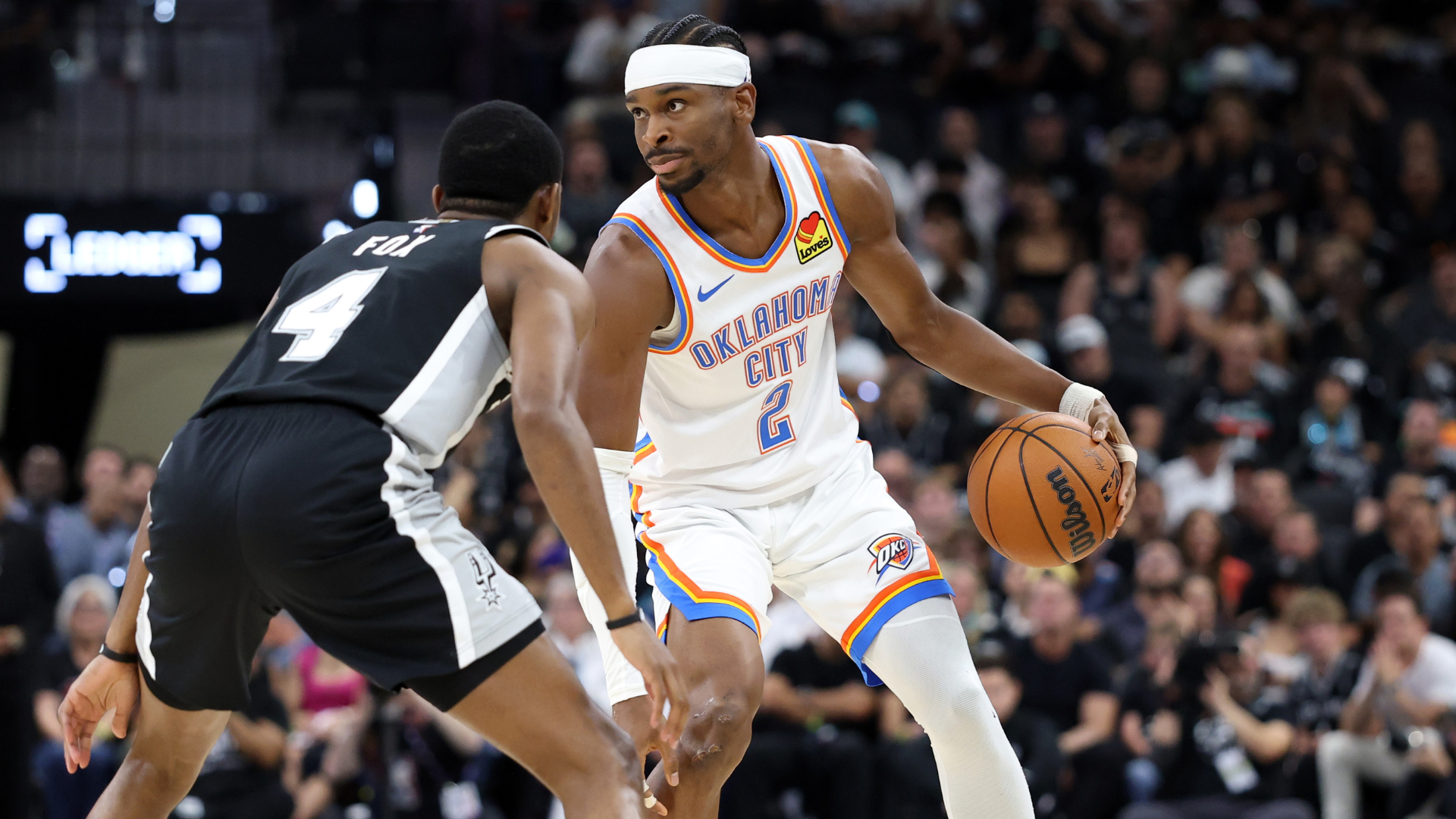
Shai Gilgeous-Alexander has been named the Kia NBA MVP for the second consecutive season, joining an exclusive list of 13 players who have achieved back-to-back honours in the award's 69-year history. The announcement on 18 May 2026 drew immediate and widespread response from figures throughout the league, with colleagues past and present lining up to register recognition of a season that combined historic scoring consistency with the kind of two-way play that increasingly defines elite status in the modern game.
The broader arithmetic of Gilgeous-Alexander's campaign, however, tells a story that extends beyond the trophy itself. Across the full 82-game regular season, he posted 20 or more points in every single outing — a feat that has no parallel in the modern era. The last player to accomplish that threshold was Wilt Chamberlain, who did so during the 1963-64 season. That 62-year gap between repeat performances of this kind frames the scale of what the Oklahoma City Thunder guard has just accomplished, and it is the statistic that has surfaced most consistently in the conversations that followed the award announcement.
The peer response to the MVP announcement was immediate and drew from the full breadth of the league. Former players, current opponents, and team-mates all contributed to a conversation that ran well beyond the normal post-award formality. The prevailing tone emphasised not just the scoring total but the durability and efficiency required to maintain that output across an entire season — and, more specifically, the way Gilgeous-Alexander has positioned a Thunder franchise that entered this cycle with limited expectations into genuine contention. For many in the league, that transformation — not the individual numbers alone — is what sets this particular MVP cycle apart.
The back-to-back structure of the award itself carries distinct weight in NBA history. Thirteen players had previously won consecutive MVPs, a group that spans from Bill Russell and Wilt Chamberlain through to the more recent entries of Giannis Antetokounmpo and Nikola Jokic. The list functions as something close to a shorthand for sustained excellence across a generation of the game, and the addition of Gilgeous-Alexander's name to it marks a threshold that cannot be reversed by any subsequent playoff result. The award exists in its own register — the regular season, assessed on its own terms — and it has now been bestowed on him twice in a row.
What distinguishes this particular cycle from several of the more recent entries on that list is the context in which it arrived. The Thunder did not enter the season as consensus championship favourites, nor did Gilgeous-Alexander's candidacy benefit from the kind of team infrastructure that tends to consolidate MVP narratives. He carried a team that had assembled incrementally, supported a young core that showed signs of development but had not yet proven itself in playoff conditions, and delivered numbers that placed him at or near the top of every major advanced-metric category. That combination — elite individual output without the conventional structural supports — is relatively rare in recent MVP history, and it is one of the reasons the peer response to the award has carried an additional layer of emphasis.
The forward questions that surround the award are not, strictly speaking, the NBA's concern to adjudicate. The MVP evaluates a season, not a career arc. But the conversation following the announcement did not confine itself to the regular season, and for good reason. Oklahoma City's playoff positioning, and the extent to which Gilgeous-Alexander can sustain the scoring and defensive output that defined his campaign against higher-quality opposition, will shape how this particular entry on the back-to-back MVP list is read in the years that follow. A first-round exit would not diminish the award itself — it operates on its own terms — but it would leave the broader career assessment incomplete in the way that the career assessments of several previous back-to-back winners have also, at various stages, remained incomplete.
The award in its current form — back-to-back, historic scoring consistency, peer-endorsed from across the league — is settled. What it means for the Thunder's trajectory, for the Western Conference landscape, and for where Gilgeous-Alexander sits in the longer history of the award will develop over the months and years ahead. The foundation, however, is now formally documented: 14th back-to-back winner in NBA history. First player since 1963-64 to score 20 or more in every regular-season game. And, according to the assessment of his peers, a level of performance that sits comfortably in the conversation with the very best the league has produced.
This desk chose to lead with the peer-response dimension — the human endorsement — rather than the trophy announcement itself, reflecting the editorial view that public regard from colleagues carries its own evidential weight after a season of this intensity.
Wire provenance
This editorial synthesis draws on the following public wire/social posts:
- https://t.me/NBALive/28456
- https://t.me/NBALive/28453
- https://t.me/NBALive/28450