Cinema Director Talebi Condemns Iranian Artists Who 'Sell' During Cultural Invasion
A prominent Iranian cinema director has publicly challenged fellow artists who commercialize their work during what he describes as a coordinated cultural and national assault on Iranian identity — a statement that lands amid ongoing tensions between Tehran's cultural apparatus and the flood of Western entertainment content into the country.
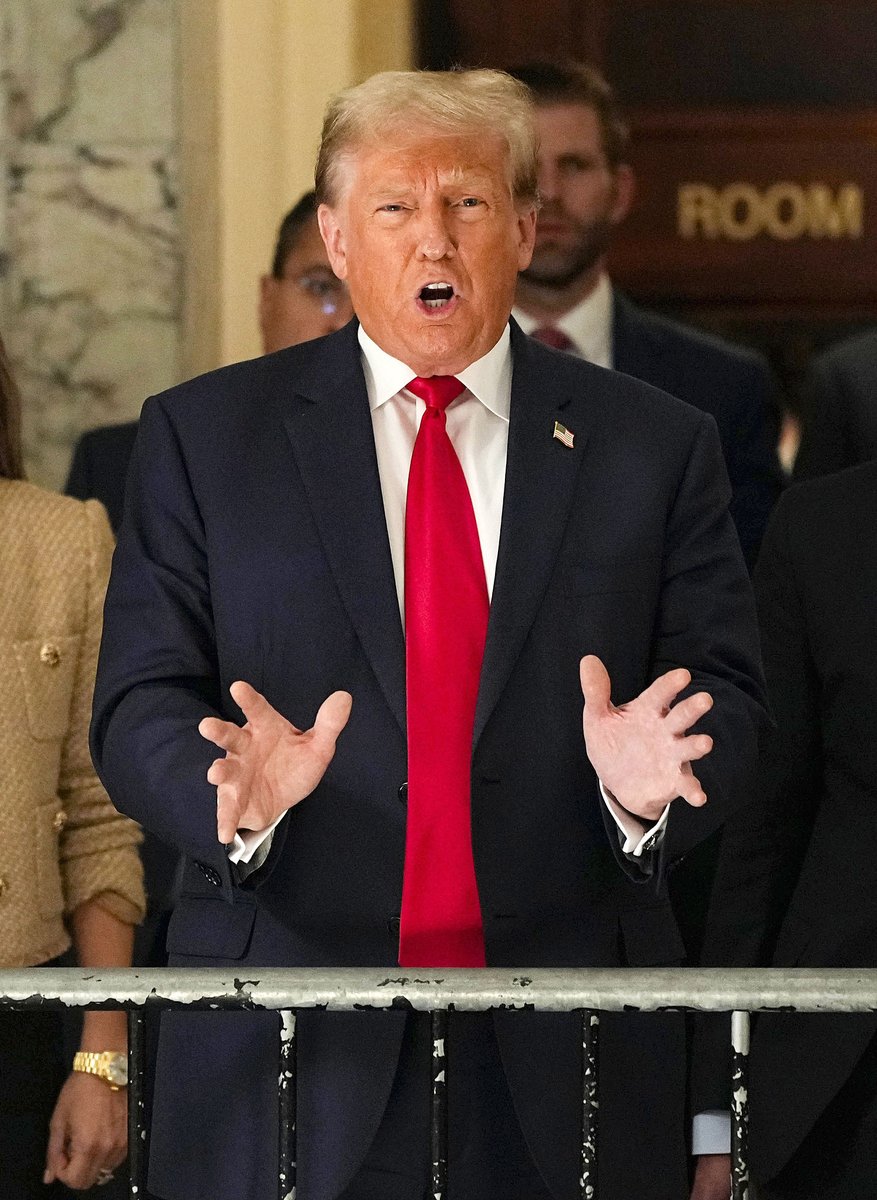
A prominent Iranian cinema director, Talebi, has publicly condemned colleagues who he says have monetised their careers during what he frames as a deliberate cultural and national invasion targeting Iranian identity. The remarks, reported by Mehr News on 18 May 2026, place him squarely in a long-running debate inside Iran about the obligations of artists during periods of geopolitical friction with the West.
The intervention arrives at a moment when Iranian cultural institutions are navigating competing pressures: the state's expectation of ideological alignment, the domestic appetite for international cinema, and the broader geopolitical chill that has shaped cultural exchange between Tehran and Western capitals for decades. That Talebi chose to make the statement publicly — rather than through institutional channels — signals that the fault lines inside Iran's cultural sector are live.
The case for cultural sovereignty in this framing is not unique to Iran. Governments across the Global South have grappled with what they describe as the structural imbalance in global cultural trade — where a small number of Western entertainment markets set the terms of what reaches global audiences, and where national cinemas struggle to maintain production pipelines against distribution networks dominated by Hollywood and the major European studios. Brazil, Nigeria, India, South Korea, and China have all, in various ways, erected subsidy regimes, screen quotas, or content quotas aimed at preserving domestic creative industries against exactly the kind of penetration Talebi is describing. The argument is not fringe; it is mainstream across a significant portion of the world's governments.
The counter-argument is equally familiar. Critics of heavy-handed cultural policy in Tehran and elsewhere argue that restrictions on artistic exchange primarily constrain the artists and audiences they claim to protect — that a young Iranian filmmaker who cannot access international platforms, or whose work is vetted before release, is not being shielded from foreign influence so much as denied the tools to engage with it on equal terms. International festival circuits, streaming platforms, and co-production treaties are not neutral conduits — they reflect and reproduce certain aesthetic norms and commercial pressures — but the solution, this view holds, is greater access, not managed retreat.
What makes Talebi's intervention notable is the specific vocabulary he deployed. Framing foreign cultural presence as an "invasion" rather than as competition or influence maps onto a broader securitisation of cultural policy that Tehran has leaned into, particularly as broader tensions with Washington have deepened. Whether that framing reflects a genuine threat assessment or is instrumental rhetoric deployed to justify tighter control of the domestic cultural space is a distinction the statement itself does not resolve. Mehr News, as a state-adjacent outlet, is not positioned to interrogate that distinction — which means the public record of what Talebi actually said is available, while the full context of why he said it now remains somewhat opaque.
The stakes of the debate extend beyond any single director's remarks. If the framing of cultural exchange as an invasion takes hold inside Iranian policy circles, the practical implications for filmmakers, musicians, and visual artists are significant: reduced access to international co-production funding, tighter content review for work intended for export, and a further narrowing of the range of work that can travel across borders. That outcome serves some interests — those of the institutions managing cultural policy — and damages others: the artists themselves, and the domestic audiences who lose access to a broader range of creative work. Whether Talebi intends that implication, or whether his remarks are primarily aimed at a domestic political audience rather than foreign cultural flows, is a question the available record does not answer.
This publication approached the framing of this story — an Iranian director criticising foreign cultural influence — with awareness that both the Iranian position and the Western counter-position have structural merit. Coverage prioritised specificity of what was reported over broader generalisation.
Wire provenance
This editorial synthesis draws on the following public wire/social posts:
- https://t.me/mehrnews_com/48291