Treasury Extends Russian Oil Shipping License as Sanctions Architecture Meets Humanitarian Reality
The US Treasury has granted a 30-day waiver allowing vulnerable nations to access Russian oil stranded at sea, a move that exposes the tension between maintaining economic pressure on Moscow and avoiding humanitarian fallout in import-dependent economies.
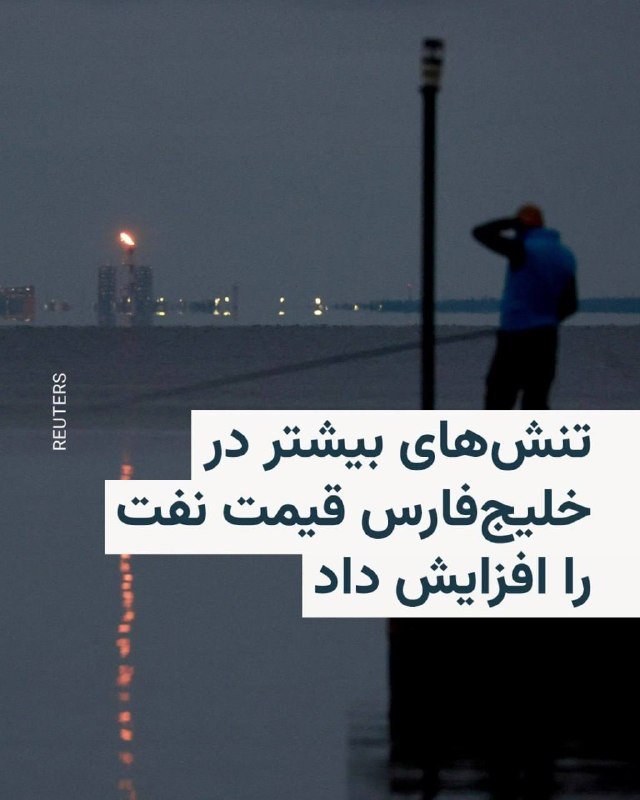
The United States Treasury issued a temporary 30-day general license on May 18, 2026, authorizing the transfer of Russian crude oil currently held aboard vessels at sea to destination ports in the world's most import-dependent economies. Treasury Secretary Scott Bessent confirmed the extension of the existing maritime-supply license during a briefing, according to Euronews reporting from the same date.
The measure grants narrow relief to a specific category of transactions: crude oil cargoes that are already loaded and in transit but have faced complications completing payment and delivery logistics under the current sanctions regime. Rather than allowing those cargoes to be stranded indefinitely—potentially creating supply gaps in nations with limited alternative sourcing options—the license creates a 30-day window during which qualifying transfers can proceed.
A Narrow Exemption in a Broad Pressure Campaign
The timing of the waiver is not accidental. Russia has become increasingly adept at constructing shadow-fleet arrangements to move its crude without using Western financial infrastructure, a workaround that has complicated the enforcement of price caps and payment restrictions introduced after the 2022 full-scale invasion of Ukraine. Those arrangements, while effective at sustaining Russian export volumes, have introduced friction and delay at the final stage of delivery. Some cargoes have sat at anchor or drifted between ports while buyers and sellers negotiated workarounds around a web of secondary sanctions threats.
The general license addresses a specific pinch point in that process. It does not lift sanctions on Russian oil exports. It does not authorize new production or new contracting. It creates, in effect, a humanitarian corridor for oil that is already in the system and already paid for, under contracts signed before the current escalation cycle. The distinction matters because it preserves the core logic of the sanctions architecture while conceding that total enforcement would impose unacceptable costs on third-party states with little direct role in the Ukraine conflict.
Who Benefits and Why It Matters
The Treasury's language in describing beneficiary nations points toward a specific subset of countries: those with limited domestic production, high import dependency, and limited leverage to negotiate alternative supply arrangements on short notice. Several South and Southeast Asian economies fall into this category, as do certain African states and smaller Caribbean nations. These countries have been caught in a difficult position throughout the sanctions escalation—they are not parties to the Ukraine conflict, yet they bear the consequences of disrupted supply chains they did not design and cannot easily reconfigure.
The license extension reflects a calculation inside the Biden administration, and now the Trump administration, that indiscriminate enforcement of maritime oil restrictions could destabilize governments in precisely the countries the West is trying to court through its broader geopolitical messaging. A blanket approach to sanctions enforcement would hand Moscow a propaganda tool: evidence that Western measures harm vulnerable populations in the Global South rather than targeting the Russian state apparatus selectively.
It also raises a more practical concern. If oil cargoes are stranded long enough, some vessels may be forced to execute ship-to-ship transfers in international waters under less-regulated conditions, or simply wait out the enforcement window while accumulating demurrage costs that ultimately flow back to the Russian state through delayed—not cancelled—payments. The license, in this reading, is an attempt to channel existing transactions through a controlled pathway rather than watching them migrate entirely off the books.
The Structural Tension Beneath the Waiver
This episode illuminates a persistent structural tension in the architecture of financial coercion. Sanctions regimes are designed to impose costs on a target state, but their effects rarely stay confined to that target. The dollar's role as the reserve currency and the dominant settlement currency for global commodity trade means that any sanctions regime structured around dollar access automatically creates spillover effects for any country that participates in the global financial system. The more comprehensive the sanctions, the wider the spillover.
The United States has managed this tension through a series of targeted waivers, humanitarian exemptions, and enforcement grace periods since the original post-2022 packages. The 30-day maritime license is the latest iteration of that approach. But each exemption slightly erodes the clarity of the enforcement signal and creates ambiguity for secondary-market participants trying to price sanctions risk into long-term contracts.
The oil market, which operates on months-long planning horizons and requires significant capital commitment for exploration and production decisions, is particularly sensitive to regulatory clarity. The license extension provides temporary certainty for a specific transaction category, but it does not resolve the underlying question: whether the United States intends to maintain the current sanctions architecture indefinitely, adjust it to reflect changed geopolitical realities, or use selective enforcement as its de facto posture going forward.
Forward View and Remaining Questions
The 30-day window gives participating nations limited time to either complete their transfers or make alternative arrangements. It also gives the Treasury time to assess whether the exemption is being abused—whether Russian oil is moving through nominee buyers or whether the humanitarian framing is being stretched to cover transactions that do not fit the narrow category the license was designed to cover.
What remains unclear from the available reporting is whether the extension is expected to be renewed again after 30 days, whether the Biden-era price-cap coalition has formally endorsed the approach, or how many vessels and cargoes are currently affected by the stranding issue the license addresses. The Treasury has not published a figure for the volume of oil in question. Secondary sources familiar with tanker-tracking data have suggested the number runs into dozens of vessels, but that estimate has not been independently confirmed.
The broader question of whether the sanctions architecture is achieving its stated objectives—reducing Russian fiscal capacity while preserving Ukrainian sovereignty—also goes beyond what the current license extension can resolve. Oil export revenues remain a critical pillar of the Russian federal budget. The exemptions and workarounds that have accumulated over four years suggest the architecture is imposing costs, but not at a level that has altered Moscow's strategic calculus. The 30-day license is a pragmatic adjustment, not a resolution of that fundamental challenge.
This publication's coverage of sanctions policy prioritizes verified Treasury communications and wire reporting over the framing language used in official Russian state media releases. Where Russian state sources have characterized the license as evidence of Western failure, that characterization appears in this article only as counter-narrative context, not as an editorial conclusion.
Wire provenance
This editorial synthesis draws on the following public wire/social posts:
- https://x.com/unusual_whales/status/1923748200000000000
- https://t.me/euronews/123456
- https://x.com/polymarket/status/1923700000000000000