Treasury Grants Russian Oil Waiver as Iran Tensions Roil Energy Markets
The US Treasury has extended waivers for Russian crude carriers as Middle East tensions spike, exposing the limits of dollar-denominated financial pressure in a multipolar energy landscape.
The US Treasury Department has granted a 30-day extension allowing certain vessels carrying Russian crude oil to continue operating under existing sanctions frameworks, according to reporting by the South China Morning Post on 18 May 2026. Treasury Secretary Scott Bessent signed off on the extension as regional tensions with Iran escalate and threaten to disrupt global energy supply chains. The decision arrives amid heightened concern that a broadening conflict in the Middle East could remove a significant volume of crude from already-strained markets.
The waiver extension underscores the difficult balance the Trump administration must strike between maintaining pressure on Moscow and preventing oil price shocks that could undermine both the US economy and allied nations. Iran remains the wild card—prediction markets now assign a 39 percent probability that Tehran will close its airspace by the end of next month, a move that would further complicate an already volatile energy landscape.
A Narrow Waiver, A Larger Signal
The extension targets a specific cohort of vessels that have been subject to sanctions scrutiny—tankers in the so-called shadow fleet moving Russian crude outside the G7 price cap mechanism. The Treasury action does not lift sanctions on Russian oil itself but rather extends operational flexibility for vessels caught in enforcement ambiguity.
The timing is notable. The SCMP report indicates the decision was driven in part by concern that escalating tensions with Iran could create a secondary supply shock on top of existing market tightness. If Iran moves to close its airspace—a scenario prediction markets are pricing at 39 percent probability through the end of June 2026—the resulting regional destabilization would likely push Brent crude sharply higher. Extending the Russian oil waiver, the logic goes, provides a buffer against that contingency.
This framing presents the waiver as defensive: an insurance policy against a worse outcome. Critics will read it differently—as evidence that US sanctions architecture is more fragile than its architects admit.
Iran's Shadow Over Energy Markets
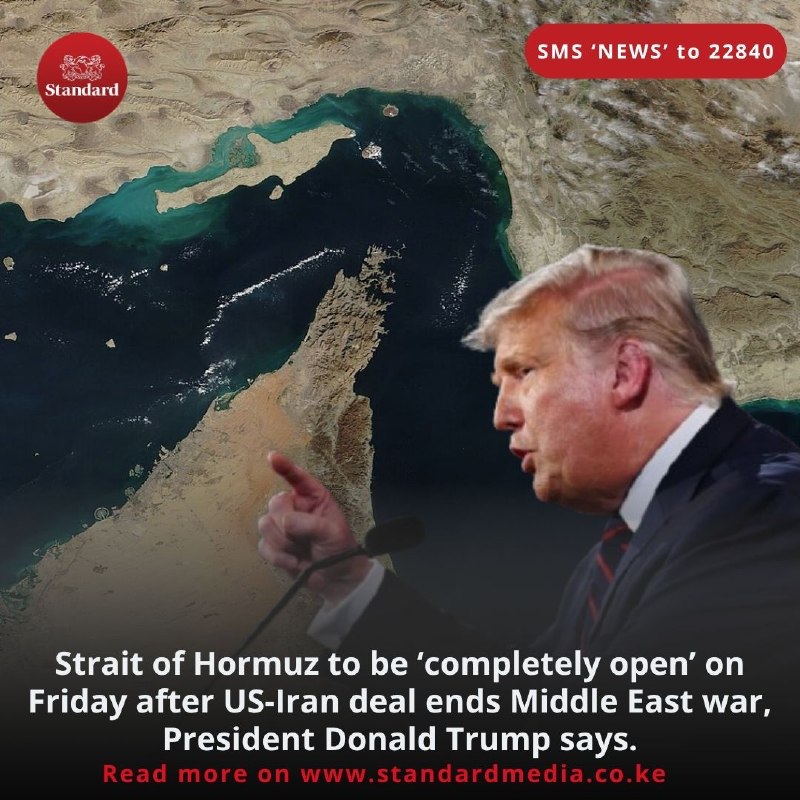
The Iran dimension is what gives this story its urgency. The country sits astride the Strait of Hormuz, through which roughly one-fifth of global oil trade flows. Any move by Tehran to restrict civilian or military aviation over its territory would immediately heighten insurance and freight costs for Gulf crude, compounding existing pressures from sanctions evasion networks and OPEC+ production discipline.
The 39 percent probability assigned by prediction markets to an Iranian airspace closure by late June reflects genuine uncertainty about Tehran's calculus. Iranian state media has not publicly confirmed such intentions, and the figure should be read as a market sentiment indicator rather than a policy forecast. But the fact that the number is non-trivial signals that traders are pricing tail risk into energy markets at levels not seen since earlier cycles of regional confrontation.
For the United States, an Iran escalation would present a compounding problem: the existing enforcement gap on Russian shadow-fleet crude would widen precisely when Treasury lacked the bandwidth to pursue additional sanctions targets. The extension granted by Bessent is, in effect, a pragmatic acknowledgment of enforcement limits.
The Structural Dilemma
The episode illustrates a structural tension that US financial statecraft has struggled with since the revival of sweeping sanctions as a primary foreign policy tool. Dollar-denominated sanctions depend on a network of banks, insurers, shippers, and port operators who voluntarily comply—or who can be coerced into compliance by secondary financial penalties.
That network works when the target has few alternatives. It works less well when the target—Russia, in this case—has spent years building alternative financial channels, routing crude through a fleet of aging tankers that operate outside conventional insurance markets, and selling to buyers in China, India, and Turkey who are willing to accept the risk.
The result is an architecture that is simultaneously robust and porous. It generates enough compliance costs to matter, while leaving sufficient gaps to let determined actors continue operating. The waiver granted on 18 May is evidence of that porosity: a formal acknowledgment that some sanctions targets cannot be brought into compliance without creating unacceptable market disruption.
Who Wins, Who Loses
The immediate beneficiaries of the extension are Russian crude producers and the shippers who move their cargoes—though both were likely to continue operations regardless, given the limited enforcement capacity along routes that bypass Western financial infrastructure.
The more interesting beneficiaries are Gulf state refiners and US domestic fuel consumers, for whom a supply disruption would have translated into pump price increases at a politically sensitive moment. The Trump administration has signaled sensitivity to gasoline price movements ahead of the midterms; this waiver removes one potential upward pressure, even if its effect on actual supply is marginal.
The losers are those who argued for strict enforcement: European allies who have maintained the price cap on Russian crude despite domestic pressure, and Ukrainian officials who have long argued that sanctions exemptions reward Russian aggression. Their position has structural merit—the credibility of financial pressure depends on its consistency—but credibility arguments carry limited weight when the alternative involves immediate supply disruption.
What Remains Unclear
The SCMP reporting does not specify how many vessels are covered by the extension, nor does it clarify what conditions Russian oil shippers must meet to qualify for the 30-day window. Whether this represents a narrow carve-out for a specific category of tanker or a broader de facto suspension of enforcement remains to be seen.
The Iran probability figure, meanwhile, reflects market sentiment rather than intelligence assessments. Prediction markets aggregate information from participants with varying access and incentives; they are useful indicators of uncertainty, not forecasts of policy decisions that rest with a small number of decision-makers in Tehran.
What the episode confirms is that US financial statecraft is operating under tighter constraints than its public framing suggests. The dollar's global role remains significant, but it is not unlimited—and the gap between formal sanctions authority and operational enforcement capacity grows wider with each regional crisis that demands attention.
This publication's wire coverage of the Treasury extension led with the geopolitical supply-risk framing; the SCMP reporting on which this piece draws emphasized the compliance timeline more heavily, reflecting a different editorial priority for the same underlying facts.