Trump halts Iran military strike citing Gulf diplomacy, keeps forces on standby
President Trump announced on 18 May 2026 that he had suspended a planned US military strike against Iran at the personal request of the leaders of Qatar, Saudi Arabia, and the United Arab Emirates, describing ongoing diplomatic efforts as the reason for the deferral.
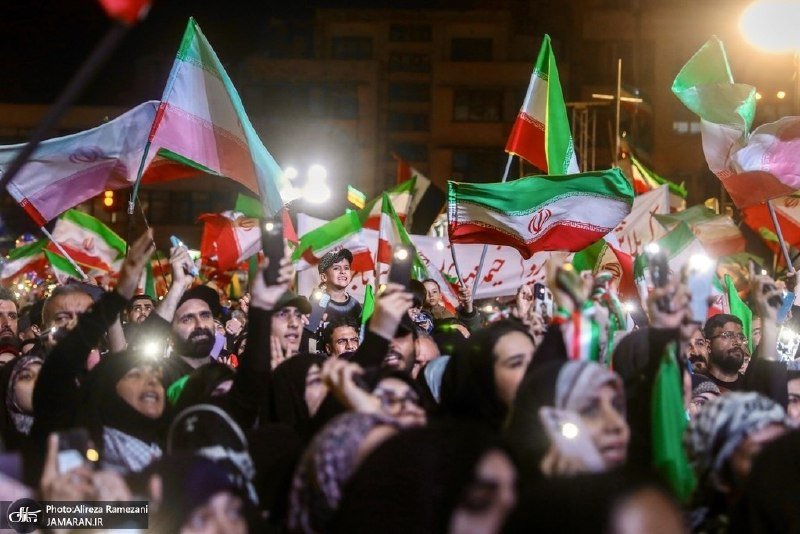
President Trump announced on 18 May 2026 that he had suspended a planned US military strike against Iran, describing the operation as scheduled for the following day before Gulf leaders intervened. The announcement, delivered at the White House, named the Emir of Qatar, Tamim bin Hamad Al Thani, the Crown Prince of Saudi Arabia, Mohammed bin Salman Al Saud, and the President of the United Arab Emirates, Mohamed bin Zayed Al Nahyan, as having made direct personal requests for the deferral.
Trump said he had instructed US military officials to "be prepared to go" if negotiations failed, signaling that the strike option remained active while diplomatic channels continued. According to his remarks, the leaders of Qatar, Saudi Arabia, and the UAE made the request because, in Trump's words, "serious negotiations are taking place" that warranted protection.
The announcement drew immediate attention to the scale of the operation being contemplated and to the unusual public role played by three Gulf Arab states in what is typically US executive decision-making on military action.
The Operation That Was and the Diplomacy That Stopped It
The specific parameters of the planned strike remain unclear from available sources. What is established is that the operation was scheduled for 19 May 2026 and that Trump framed its suspension as a response to a coordinated diplomatic appeal from three of the Gulf's most consequential leaders. The inclusion of Qatar is particularly notable given its history as a discreet diplomatic channel—the tiny emirate has previously mediated between Washington and the Taliban and hosts the largest US military base in the region.
The decision to name the three leaders publicly rather than keep the mediation private suggests an attempt to signal the credibility of the diplomatic track to domestic and international audiences. Whether that credibility is warranted on the basis of actual ongoing negotiations with Tehran remains a matter the available sourcing does not resolve.
Iranian state-aligned outlets reported Trump's claim without independent confirmation of what the planned strike target or scope might have been. The timing—within hours of the announcement—meant no independent verification of the military operation's parameters was available from US defense officials at the time of reporting.
What's Behind the Gulf States' Intervention
The interests of Qatar, Saudi Arabia, and the UAE in preventing a US strike on Iran are substantial and overlapping, though not identical. All three states maintain significant economic relationships with Tehran—Qatar shares the world's largest natural gas field with Iran, while Saudi Arabia and the UAE have built trade and investment ties with Iranian businesses despite years of regional rivalry. All three also depend on US security guarantees as the bedrock of their defense postures.
That combination—economic ties to Iran plus security dependence on Washington—creates an acute interest in avoiding a situation where the US is drawn into sustained military action that disrupts Gulf economies and risks drawing the emirates into a wider conflict. The personal appeal from three leaders simultaneously carries a weight that a diplomatic note through official channels would not.
Saudi Arabia and the UAE have spent the past several years seeking regional stabilization after a decade of costly proxy conflicts. A US strike that escalated would threaten that project directly. Qatar, with its unique position as both a NATO partner and a channel to Iran and Taliban-linked networks, has built its diplomatic influence precisely on being able to transmit signals that others cannot.
The Structural Pattern: Diplomatic Pauses and Military Readiness
What Trump announced on 18 May fits a broader pattern in the administration's approach to Iran since the reimposition of maximum-pressure sanctions: the simultaneous holding of diplomatic carrots and military sticks, with the relative weight of each shifting as negotiations do or do not produce results.
This is not a deviation from US policy toward Iran under the current administration—it is the policy. The underlying dispute over Iran's nuclear program, enrichment activities, and regional posture has not been resolved by a diplomatic pause. The forces that produced the crisis atmosphere—accelerated enrichment, strikes on regional partners, and the collapse of the original nuclear agreement—are still in place. What has changed is that an acute military moment has been deferred, not that the conditions producing that moment have been addressed.
The administration has in public maintained that the goal is a comprehensive deal that verifiably ends Iran's nuclear weapons path. Whether that goal is achievable through the channel the Gulf states are reportedly protecting is precisely the question that only time and, likely, further reporting will answer.
What Comes Next and Who Bears the Risk
The most immediate consequence of the 18 May announcement is a window—whose length is unspecified—of continued military readiness and diplomatic activity. If genuine talks are underway, the deferral provides time for them to produce something. If they are not, or if they collapse quickly, the strike option reportedly remains on the table.
That binary carries real risk. A military operation of the kind apparently under consideration, deferred rather than cancelled, creates incentives for both sides to posture more aggressively once the diplomatic window closes without results. Tehran, if it is engaged in talks, knows the US military is on standby. Washington, if it is using diplomacy as pressure tactic, knows Iran knows.
The countries most exposed to miscalculation are the Gulf states themselves—Qatar, Saudi Arabia, and the UAE—which have positioned themselves as indispensable to resolving a crisis they did not create and cannot fully control. Their leverage lies in their access to both Washington and Tehran. That leverage diminishes with each use.
What Remains Uncertain
The available sourcing establishes that Trump announced the suspension, named the three Gulf leaders, and said military officials should remain ready to act. What the sourcing does not establish is the substance of the negotiations Trump cited, whether Iran has agreed to any specific diplomatic framework, or what specific demands—if any—Washington has put to Tehran. The announcement's timing, within hours of the planned strike date, meant no independent corroboration of the operation's parameters or the existence of a substantive negotiating channel was available at time of publication.
Desk Note
This publication treated the simultaneous announcement of diplomatic progress and military readiness as the central editorial tension in the story. Wire framing emphasized the Gulf intervention and the diplomatic appeal. Monexus foregrounded the readiness posture to flag that the underlying strategic posture toward Iran remained unchanged—the deferral buys time for diplomacy, not a change in the military logic that produced the crisis.
Wire provenance
This editorial synthesis draws on the following public wire/social posts:
- https://t.me/ClashReport/18421
- https://t.me/Middle_East_Spectator/18420
- https://t.me/GeoPWatch/18419
- https://t.me/abualiexpress/18418
- https://t.me/tasnimnews_en/18417
- https://t.me/euronews/18416