The Trust Deficit At the Heart of Musk's OpenAI Battle
As Elon Musk's X platform celebrates a billion downloads, a legal confrontation over OpenAI's direction is forcing the market—and the courts—to reckon with a question about the world's most prominent tech entrepreneur: can he be trusted?
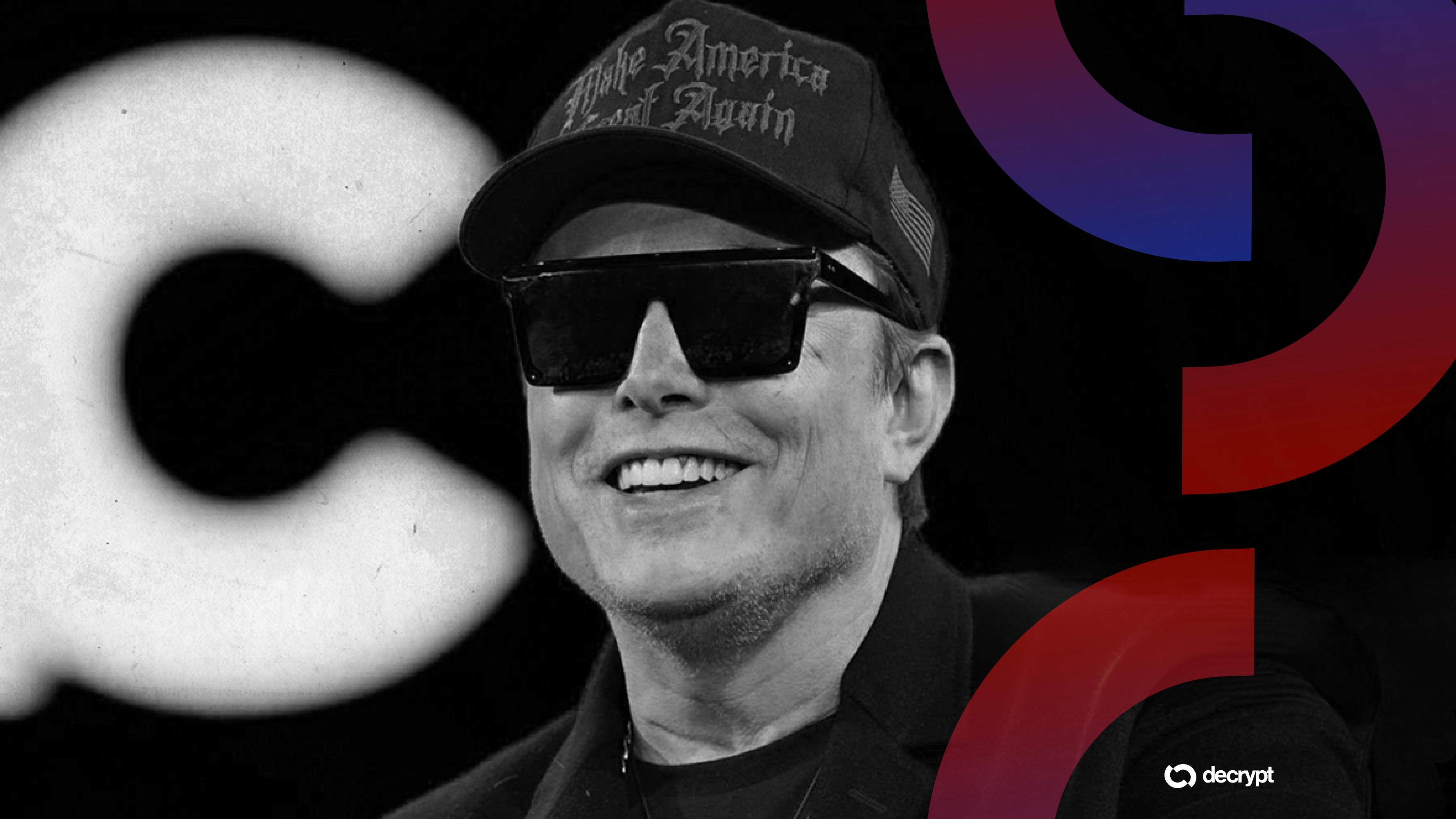
On 17 May 2026, Elon Musk announced on his own platform that 𝕏 had surpassed one billion downloads. It was a milestone dressed as triumph, another data point in the ongoing rebranding of what was once Twitter. Forty-six minutes earlier, a TechCrunch report had flagged a different milestone: trust, specifically whether Musk himself is trustworthy, had emerged as the central question in the final days of the trial between Musk and OpenAI.
The juxtaposition is instructive. Here is an entrepreneur who controls a platform built on the premise of public discourse, now litigating over the governance of an artificial intelligence company he helped found—and doing so at a moment when his credibility is on trial in a courtroom rather than a boardroom.
The case pivots on competing claims about OpenAI's original mission and whether its current direction toward a commercial, profit-driven model represents a betrayal of that founding purpose. Musk has argued that the organization has strayed from its commitment to developing artificial general intelligence for the benefit of humanity rather than for private enrichment. OpenAI's current leadership, including CEO Sam Altman, has pushed back against that framing, positioning the company's restructuring as a necessary evolution to secure the capital required for frontier AI development.
What makes this more than a corporate governance dispute is the identity of the plaintiff. Musk is not a disinterested party. He is simultaneously a major stakeholder in the AI race through ventures including xAI, a platform operator whose content moderation decisions have drawn persistent criticism from civil society groups, and a figure whose public statements about AI risk have oscillated between alarm and enthusiasm depending on the competitive context.
Platform trust, in this framework, is not an abstraction. It is a structural feature of how digital infrastructure functions in the 2020s. When a single individual controls both a dominant social media platform and significant AI development operations, the question of whether that individual can be trusted with governance authority becomes inseparable from questions about market concentration, conflict of interest, and the appropriate limits of technological power.
The trial has surfaced documents and internal communications that illuminate how OpenAI's board evaluated Musk's conduct as both a donor and a board member. The record suggests that Musk's contributions came with expectations about control that created friction with the organization's nonprofit governance structure—expectations that were not met when other funders declined to accept equivalent terms. The OpenAI's restructuring into a hybrid nonprofit-commercial entity, with Altman positioned at its center, represents in part a rejection of that model.
That rejection matters beyond the parties to the case. The AI governance landscape is increasingly shaped by a small number of organizations—OpenAI, Anthropic, Google DeepMind, xAI—that are making consequential decisions about the development trajectory of general-purpose AI systems. When one of the founding figures of this ecosystem sues to enforce a particular vision of how it should be run, the litigation functions as a proxy for broader questions about who gets to decide how these systems develop and in whose interest.
Musk's argument, stripped to its essentials, is that OpenAI sold out. OpenAI's counterargument is that Musk wanted a controlling stake in an organization he was unwilling to fully fund—and that the company's evolution reflects the realistic capital requirements of frontier AI research, not a departure from principle. The jury, or the judge presiding over the case, will need to determine which account better reflects the documentary record.
For observers outside the courtroom, the more durable question is what the dispute reveals about the governance of dual-use technology. X's trajectory—from public square to something more contested—offers a case study in how concentrated ownership shapes platform behaviour. The platform's content moderation approach has shifted markedly since Musk's acquisition, with规则的 enforcement becoming more visibly inconsistent. Users and advertisers have responded with varying degrees of migration to alternatives or quiet acceptance, depending on their exposure to the platform's specific user base.
The billion-download milestone sits inside this contested history. It is a real data point—X has achieved significant reach across mobile devices globally. But reach is not the same as trust, and the TechCrunch reporting on the trial makes clear that the legal system is now directly weighing the latter question in the context of Musk's AI ventures. The OpenAI case will not resolve whether Musk is trustworthy in some general moral sense. What it may resolve is whether the specific commitments he claims were made to him were actually made, and whether their breach—if any—warrants the remedies he is seeking.
The implications extend to how AI development organizations structure themselves going forward. If the court finds that Musk's version of the founding compact has legal weight, it creates precedent for co-founders to enforce governance commitments against organizational evolution. That could make it harder for AI labs to adapt their structures to changing capital markets—which might slow commercialization, but could also entrench the influence of early backers in ways that complicate the pluralistic governance the AI safety community says it wants.
What remains uncertain is whether the trial's outcome will shift public perception of Musk as a trustworthy actor in the AI ecosystem. Platform announcements and legal filings are one register of credibility; market behaviour—how partners, employees, and regulators respond—is another. X's billion downloads are a matter of record. What those downloads mean for the trust question is what the trial, and the market, are still working out.
This publication covered the OpenAI trial as a governance dispute grounded in documentary evidence rather than personality-driven conflict. The TechCrunch reporting foregrounded the trust question as a legal liability issue; the Polymarket-sourced announcement about X's download milestone was contextualized within the broader pattern of Musk's platforms using quantified reach as a trust proxy—rhetoric that the ongoing trial complicates rather than confirms.
Wire provenance
This editorial synthesis draws on the following public wire/social posts:
- https://x.com/elonmusk/status/1921967965747396611