Arsenal's Crown and Tottenham's Court: A Tale of Two London Clubs
As Arsenal celebrate a long-awaited Premier League title, their north London rivals face the humiliation of a final-day relegation battle that would strip them of top-flight status for the first time in living memory.
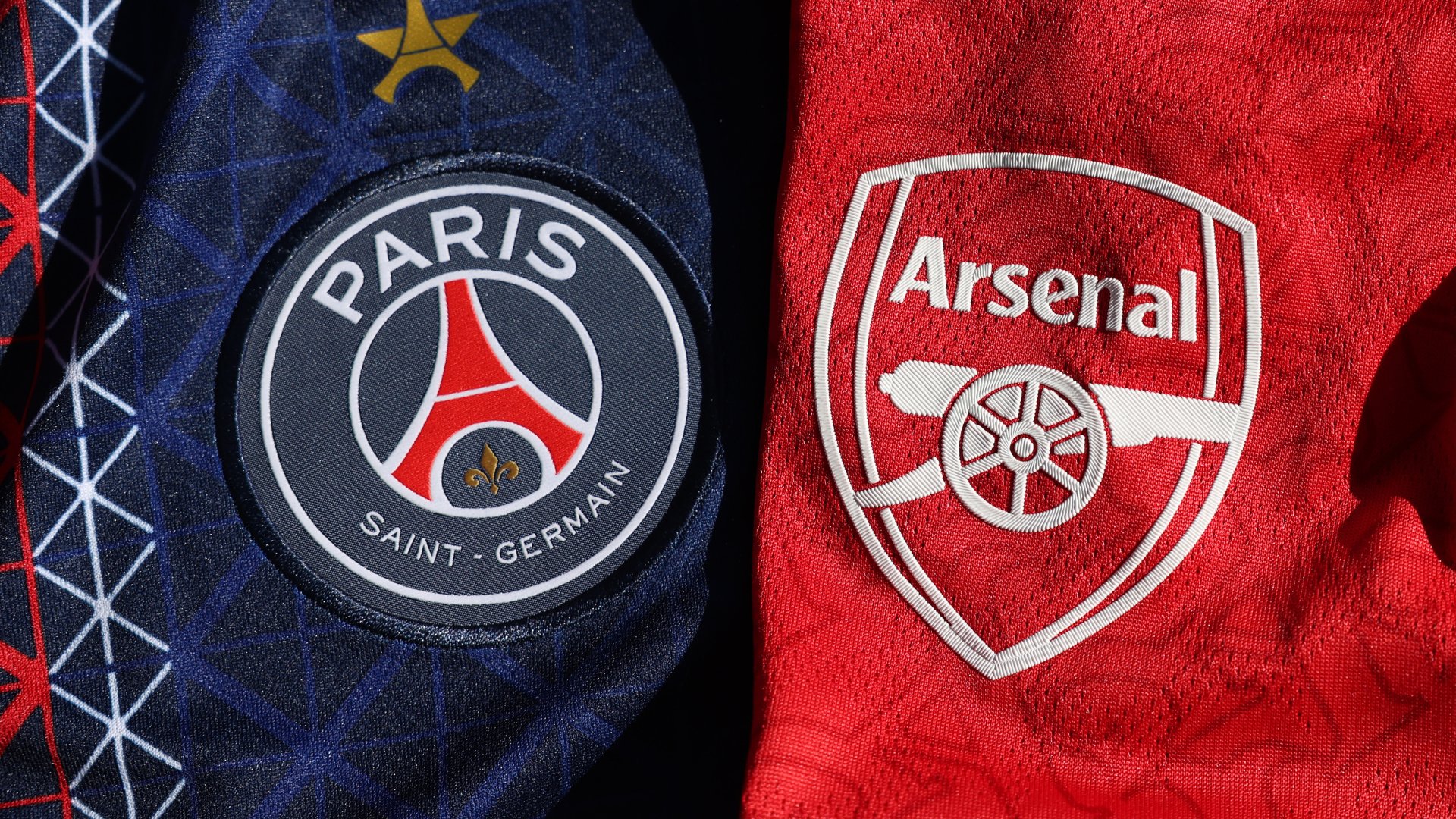
Arsenal cannot be caught. They are the 2025/26 Premier League champions. The confirmation arrived not with fanfare but with the quiet inevitability of a season that had been building toward this conclusion for months. Their nearest challengers fell away. The title race, which once promised drama, collapsed into arithmetic. Arsenal's players will lift the trophy having lost fewer games than any competitor, their name etched into a championship that their supporters had been waiting a generation to claim.
While the red half of north London celebrated, a different kind of history was being written at the other end of the table. According to BBC Sport reporting from 2026-05-19T23:16 UTC, Tottenham Hotspur entered the final day of the season in genuine danger of relegation — a fate that one BBC correspondent described as "the ultimate humiliation" for a club that has spent the better part of a century as a permanent fixture in English football's top tier. A single controversial decision, one that the BBC described as a "split-second call," could determine whether Tottenham play Premier League football next season or descend into the Championship.
The divergence is stark. Arsenal, under a manager who has rebuilt the squad methodically and without the kind of spending splurges that mask structural problems, have arrived. Tottenham have spent the same period lurching from one project to another, each managerial appointment promising transformation, each delivering something closer to turbulence. The irony is structural: the club that spent decades being mocked for winning nothing now faces the prospect of being remembered for losing everything that mattered.
The Title That Almost Wasn't
The road to Arsenal's championship was not without its difficult passages. The BBC's analysis of the key moments that decided the title race, published on 2026-05-19T20:42 UTC, identifies specific turning points that separated Arsenal from their pursuers. Those moments — a narrow win here, a comeback secured there — accumulated into a margin that proved insurmountable. What Arsenal achieved was not a coronation by dominance but a championship built from consistency: they did not need to be flawless, only to be better than everyone else over 38 games.
The context matters. Arsenal had been here before, or close to here, in recent seasons, only to falter when the finish line came into view. The 2025/26 campaign appears to have been different in character. The squad's depth, the manager's tactical adjustments, and a run of results in the season's critical phase all contributed to a championship that, while deserved, was not foreordained.
The Humiliation Next Door
The ESPN coverage from 2026-05-19T22:49 UTC frames the Tottenham situation in stark terms: as Arsenal celebrated "a long-awaited league title," their fiercest rivals remained trapped in a fight for survival. The juxtaposition is unavoidable. Two clubs separated by six miles of north London geography, competing in the same league, ending the season on opposite trajectories so extreme that they define the range of what elite football can deliver — from the highest highs to the lowest lows, sometimes within the same city.
Tottenham's predicament is not simply a matter of poor form. The split-second call referenced by the BBC suggests something more specific: a refereeing decision or a VAR review that, in a league decided by fine margins, could be the difference between survival and oblivion. The sources do not specify the nature of the decision in detail, but its potential consequences are clear. A club that has played European competition more seasons than not since the 1960s could find itself outside the top flight, stripped of broadcast revenue, sponsorship income, and the ability to attract players of Premier League quality.
What the Contrast Reveals
The simultaneous reality of Arsenal's triumph and Tottenham's peril is not coincidental. It reflects deeper patterns in how clubs are run, how managers are selected and supported, and how institutional patience — or its absence — shapes sporting outcomes. Arsenal's championship came after years of careful planning, a defined footballing philosophy, and a willingness to endure short-term setbacks for long-term gain. Tottenham's instability has been a product of the opposite approach: frequent managerial changes, a stadium move that compressed financial flexibility, and a recurring failure to translate ambition into achievement on the pitch.
The Premier League's global audience will watch the final day with particular interest. For Arsenal supporters, it will be a celebration delayed but finally arrived. For Tottenham fans, it may be the end of something that cannot easily be recovered. The split-second call that the BBC describes will not be the sole cause of whatever befalls Tottenham — football rarely reduces to a single moment — but it will be the moment that defines this season for a club that has run out of time to define itself differently.
The structural lesson, if there is one, is straightforward: consistency compounds. Arsenal's title was not built in a single transfer window but across multiple seasons of coherent decision-making. Tottenham's potential relegation is not the product of one bad result but of an accumulation of choices that failed to converge into a functional whole. The Premier League rewards the latter pattern and punishes the former with a thoroughness that few other leagues manage.
The Stakes, Clearly Stated
If Tottenham are relegated, the consequences extend beyond the immediate financial hit. Their squad will be gutted. Key players will seek exits. The manager, whoever occupies that position, will face a rebuild in a division that is more competitive than its perception suggests. The club's commercial partnerships, many of which are structured around Premier League visibility, will come under renegotiation pressure. The road back, as clubs like Leeds United and Leicester City have discovered in recent years, is neither short nor guaranteed.
Arsenal, meanwhile, will face their own questions: how to sustain this level, how to compete in Europe while maintaining domestic dominance, how to hold onto the players other clubs will now target. Championship hangover is real. But it is a problem the club will choose to have rather than one imposed upon it. The difference, this season has demonstrated, is everything.
The final day awaits. Arsenal will celebrate. Tottenham will wait, and hope, and perhaps suffer. The split-second call will come. The season will end. The Premier League, as it so often does, will have rendered its verdict.
This desk noted the tonal contrast between the Arsenal coronation coverage, which the BBC and The Athletic framed as a triumph of patience over crisis, and the Tottenham survival narrative, which the wires have treated with a mixture of sportswriting convention and barely concealed disbelief that a club of Tottenham's standing could be in this position. Both framings are defensible. Both are insufficient.
Wire provenance
This editorial synthesis draws on the following public wire/social posts:
- https://t.me/TheAthleticFootball/28934