The Long Wait Ends as the Game Goes Global
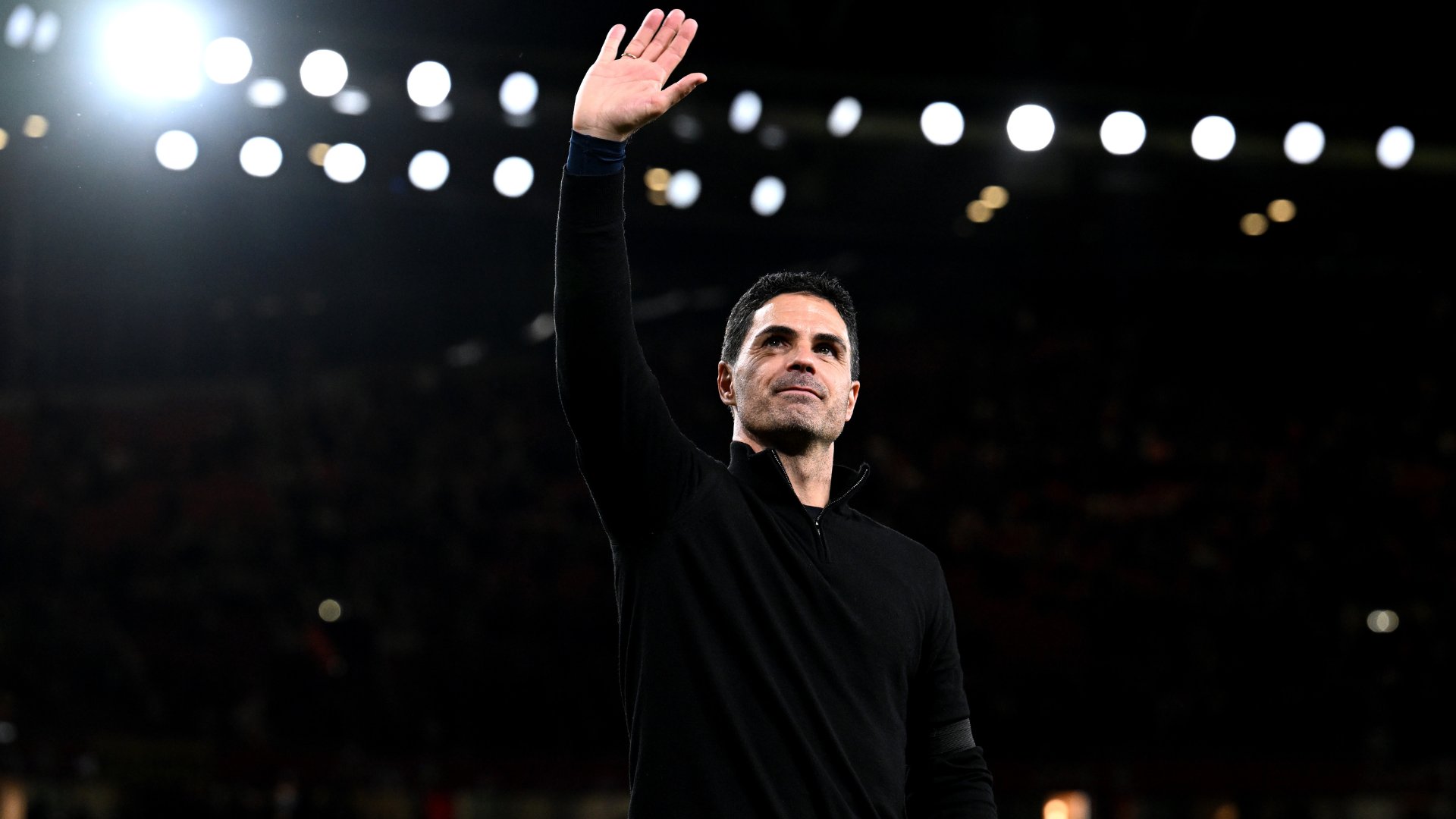
On the evening of 19 May 2026, two distinct celebrations unfolded across the sports landscape. In north London, Arsenal's players and supporters savoured a league title won after a 22-year absence — a triumph measured not merely in trophies but in the psychological weight lifted from a club that had learned to expect disappointment. Hours earlier, NFL owners approved a framework permitting up to ten international games per season from 2027, a structural decision that will reshape how American football allocates its calendar. Read separately, each story is contained. Read together, they reveal something about the pace at which elite sport now operates: one game reclaiming its past, the other rewriting its future geography.
The thread connecting these moments is the question of what fandom owes to longevity. For Arsenal's supporters, the wait has been generational — children who watched the final 2004 fixture under Arsène Wenger are now adults explaining to their own children why this matters. The celebration on 19 May was, by any measure, unfiltered. Players lingered on the pitch, cameras captured genuine emotion rather than performed jubilation, and the club's communications — usually calibrated corporate output — read like relief. The BBC's reporting captured the atmosphere as something between catharsis and carnival. There is no cynicism adequate to the moment when a community's shared wound finally closes.
Yet the structural conditions that produced Arsenal's wait deserve examination. Twenty-two years is not simply a number; it reflects the consolidation of competitive advantage at the top of the Premier League, driven by owner investment cycles, managerial recruitment, and the compounding returns of Champions League participation. Arsenal's resurgence under its current project was not accidental — it was funded, planned, and executed across multiple seasons. The title win is simultaneously a sporting achievement and a demonstration of how capital allocation determines competitive outcomes in modern football. That the wait felt so long is partly a function of expectation management — the club's historical standing set a baseline against which any gap appeared as failure.
The NFL's decision carries different but equally instructive weight. The league's owners, meeting on 19 May 2026, approved the ability to schedule up to ten international games per season and removed the provision allowing teams to protect opponents from international placement. That language matters. "Protection" implies a previous arrangement in which franchises could influence their exposure to cross-border travel and time-zone disruption. The removal signals a league asserting collective authority over individual franchise convenience — a governance shift toward centrally determined scheduling regardless of club preference. The rationale is straightforward: international markets generate revenue, sponsorship, and broadcasting value that domestic expansion alone cannot replicate. London, Frankfurt, São Paulo, and Mexico City have demonstrated appetite. The NFL is responding by committing to scale.
What remains less examined in the immediate reporting is the tension this creates within the league's own ecosystem. Players have raised concerns about cumulative travel burden, recovery windows between international fixtures, and the physical toll of long-haul flights during a 17-game regular season. The NFL Players Association will have views that, as of this reporting, have not been fully articulated in the owners' framing. That the approval came with relatively little public opposition from franchise owners suggests either genuine consensus or effective internal silencing — the sources do not specify which. What is clear is that the league's commercial logic now takes precedence over competitive parity considerations in scheduling.
The structural parallel between these two stories is not merely thematic. Both concern the relationship between institutions and their audiences over time. Arsenal's 22-year wait was endured by supporters who maintained attendance, purchase, and engagement through years of underperformance — loyalty as economic substrate. The NFL's international push depends on cultivating new audiences before existing ones in the United States feel abandoned. Each model has a different risk profile: football's domestic revenue is mature; the NFL's international revenue is speculative but potentially exponential. Both represent calculated bets that the fans of 2030 and 2040 will be more valuable than the fans of today — either because they are new, or because they have been tested by absence.
The stakes are asymmetric. For Arsenal, the immediate question is not whether to consolidate but how quickly to reinvest the sporting capital the title provides. Squad depth, contract renewals, and the gravitational pull of Champions League football for prospective signings all shift in the club's favour. For the NFL, the question is whether international expansion will dilute the product's domestic fidelity. The league has been here before in embryonic form — the International Series began in 2007 — but ten games represents a qualitatively different commitment. If the scheduling changes produce marquee mismatches or fatigue-driven injuries in the domestic product, the commercial gains abroad may prove a costly trade.
What is certain is that both organizations are operating from positions of strength. Arsenal's title ends a chapter; the NFL's expansion begins one. The sports economy rewards scale and punishes hesitation. Whether the fans in stadiums on 19 May 2026 fully understood the structural forces shaping their celebrations is another question — one the sources do not answer.
This desk noted that the Arsenal celebration received blanket wire coverage on 19 May 2026, while the NFL owners' decision was reported primarily through ESPN with less saturation in the broader sports wire ecosystem. The relative airtime difference reflects editorial weighting toward narrative drama (a generational wait concluded) over governance mechanics (a scheduling framework revised), rather than any assessment of significance.