14-Year-Old Gazan Boy Dies After Israeli Strike Near Khan Yunis
Mohammad Salah Mohammad al-Raqab, fourteen years old, died on May 19, 2026, from wounds sustained in an Israeli strike on Salah al-Din Road near Khan Yunis, according to reporting by The Cradle Media and corroborated by Arabic-language services including Al Alam. The boy had been in critical condition since the strike on May 16 and succumbed to his injuries at a hospital in the southern Gaza Strip. His death adds to a mounting toll of civilian casualties in an area the Israeli military has designated as a zone of ongoing counter-terrorism operations.
The incident underscores the continued danger facing Gazan civilians, particularly children, even in areas nominally designated as humanitarian corridors. Al Raqab is at least the fourth documented child fatality from Israeli strikes in the Khan Yunis area in the first three weeks of May 2026, according to monitoring groups tracking the conflict.
Military Operations and Civilian Harm in Khan Yunis
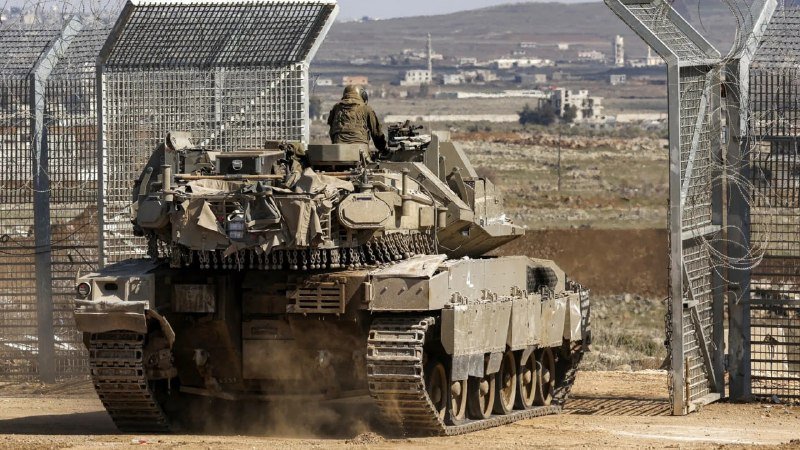
Israeli forces have maintained a significant presence in and around Khan Yunis since January 2026, when ground operations intensified following the collapse of the most recent ceasefire framework. The Israel Defense Forces have stated that operations target Hamas infrastructure, including tunnel networks, weapons caches, and command-and-control facilities located in populated areas.
Israeli statements from IDF spokesperson briefings in May 2026 have said that forces take extensive precautions before strikes in populated zones and that investigations are conducted after any incident involving civilian casualties. The IDF has said it has struck more than 150 verified Hamas targets in the Khan Yunis area since January, including staging grounds that it says were used for planning attacks on Israeli territory.
Palestinian health officials, meanwhile, have documented a pattern of strikes hitting residential streets and infrastructure near displacement shelters. The Hamas-run Gaza Health Ministry reported in early May that at least 312 people, including 87 children, had been killed in the Khan Yunis governorate during the preceding four weeks. Those figures cannot be independently verified in full, but wire services including Reuters have confirmed individual strike incidents and casualty counts from hospital sources in the area.
The Humanitarian Cost in the Southern Strip
The death of a fourteen-year-old boy three days after a strike is not an anomaly in the current phase of the conflict — it is consistent with a pattern. Medical facilities in Khan Yunis are operating under extreme strain. The Indonesian Hospital, one of the few remaining functional medical centres in the southern Strip, reported receiving forty-three patients with blast injuries over a forty-eight-hour period in the second week of May. The UN Office for the Coordination of Humanitarian Affairs said in a May 17 situation report that field hospitals in the Khan Yunis area are operating beyond capacity, with shortages of surgical supplies, anesthesia, and trained personnel.
Displacement figures tell part of the story. OCHA estimates that more than 850,000 people have moved through or into the Khan Yunis area since October 2025, many of them in repeated cycles of evacuation orders and forced relocation. Many of those displaced are sheltering in school buildings, tent encampments, or with host families in areas that have been struck repeatedly. The Israeli military has issued evacuation orders for several neighbourhoods in Khan Yunis in May 2026, designating them as yellow zones — implying reduced but not zero risk — while the ground situation makes it difficult for residents to move safely.
The strike on Salah al-Din Road, a major transport corridor, also illustrates the challenge of maintaining civilian access to basic goods and services. The road connects parts of Khan Yunis to the mainNuseirat corridor and has been used by aid convoys as well as by residents moving between areas under evacuation orders. IDF statements have said that Hamas uses such corridors for the movement of personnel and materiel, complicating the calculus of any strike in the area.
International Response and the Question of Accountability
The United Nations Secretary-General's office issued a statement on May 18 calling for an immediate cessation of hostilities and citing the cumulative toll on civilian life in Gaza, though without specifically naming the May 16 strike. Several European foreign ministries, including those of France and Spain, issued statements in the same period expressing concern about civilian casualties in the Khan Yunis area without singling out specific incidents. The United States has maintained its position that Israel has the right to self-defence while calling for steps to minimize harm to civilians.
International criminal accountability mechanisms remain a live question. The International Criminal Court's arrest warrant proceedings against Israeli officials, initiated in 2024 and still under appeal as of early 2026, include counts relating to alleged war crimes in the Gaza Strip. Palestinian legal advocacy groups say they have submitted documentation relating to more than 800 individual strike incidents to the ICC prosecutor's office in The Hague. Israel's government has rejected the court's jurisdiction and condemned the warrant proceedings as politicized.
There is no independent mechanism currently operating on the ground that can verify casualty figures, assess strike legality, or provide real-time accountability. The UN's human rights monitoring mission in Gaza has limited access to affected areas and has relied heavily on remote documentation, satellite imagery, and testimony collected from displaced persons. Human rights organisations, including Amnesty International and B'Tselem, have documented individual incidents and published detailed analyses arguing that certain strikes lack lawful military justification — conclusions the Israeli military disputes.
What Comes Next
The death of Mohammad Salah Mohammad al-Raqab will likely appear in the next periodic reporting by human rights monitoring organisations. It may be cited in future ICC documentation if the prosecution continues to build case files on individual incidents. Whether it prompts any change in operational practice on the part of the IDF is a separate and less encouraging question. Past patterns of civilian casualty investigations — including ones from earlier phases of the conflict — show that individual accountability for strikes remains rare and that administrative and legal processes can take years.
The IDF said in a May 19 statement that it is aware of reports regarding an incident in the Khan Yunis area on May 16'' and that the incident is under review.`` No further details were provided.
For the remaining civilians in Khan Yunis, the practical question is not accountability but survival. Medical facilities are overwhelmed. Evacuation corridors are subject to periodic closure. Aid delivery has slowed to a trickle in several northern districts where the UN has been unable to operate since April. The immediate context for a fourteen-year-old's death on May 19, 2026, is not simply a single strike — it is a system under collapse.
Monexus reported this story using Telegram-sourced wire reports from The Cradle Media and Al Alam, supplemented with publicly available UN OCHA situation reports and IDF spokesperson statements. The full casualty ledger for May 2026 in Khan Yunis remains incomplete pending access by international monitors.
Wire provenance
This editorial synthesis draws on the following public wire/social posts:
- https://t.me/thecradlemedia/8942
- https://t.me/alalamarabic/11567
- https://t.me/thecradlemedia/8940