Opinion: Google Is Quietly Building the Last Interface You'll Ever Need
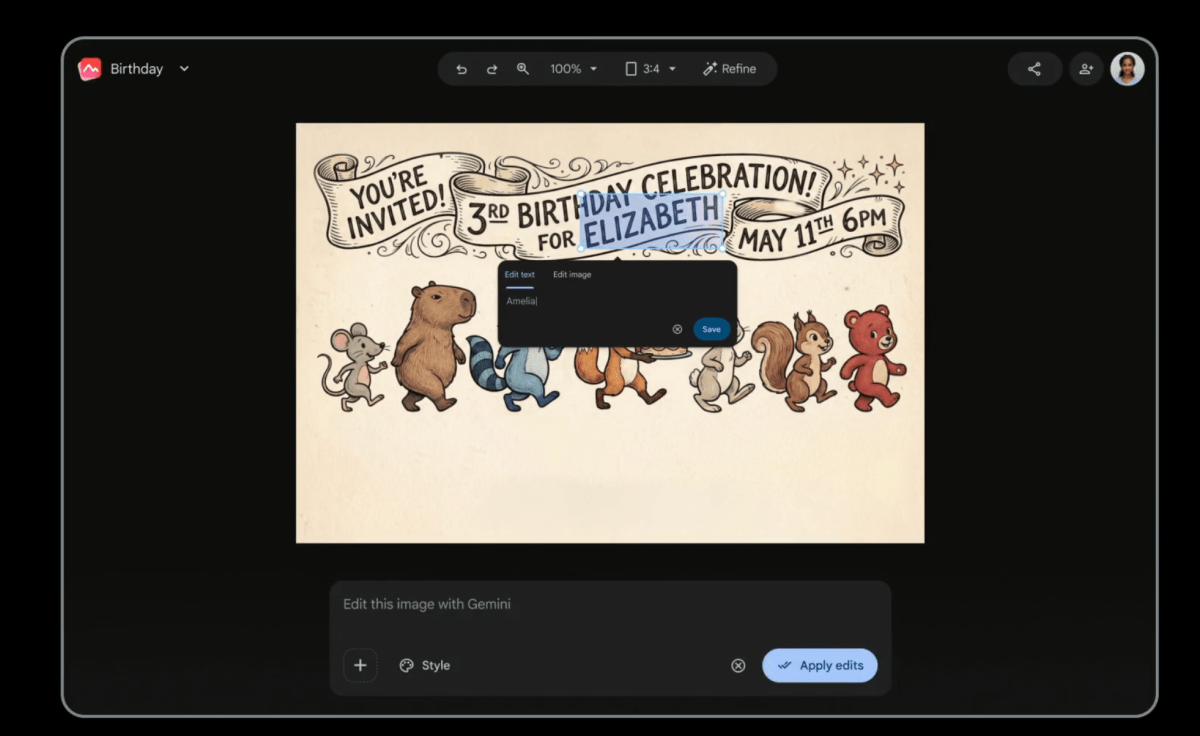
On May 19, 2026, Google held what, in any other era, would have been called a product launch. The company announced audio-powered smart glasses, a fundamental redesign of Search, and a new class of AI "information agents" capable of monitoring topics autonomously. In isolation, each item follows a familiar pattern of iterative hardware and software updates. Taken together, the announcements amount to something different: a declared intention to move from organizing information to inhabiting the space between users and their environment.
The distinction matters more than the upgrades. Google has spent three decades as a reference point—a place you go to find somewhere else. The company built an advertising empire on the premise that it could reliably deliver an audience to publishers and merchants. That model depended on a world where users actively sought out information. The announcements on May 19 suggest Google no longer wants to wait for the query.
From Search Engine to Ambient Intelligence
The audio glasses, arriving in fall 2026, represent the most legible piece of the announcement. They are, as Google framed them, a direct acknowledgment that Meta's Ray-Ban smart glasses found a market. Google is entering a space it helped define a decade ago with Google Glass, learning from the earlier hardware's failure by stripping away the camera, the display, and the social awkwardness. What remains is audio—always-on, hands-free, integrated with the company's AI stack.
The information agents are less visible but more consequential. Google described them as AI-powered systems that monitor specific topics in the background and alert users to updates and changes. This is not a new idea in principle—Google Alerts has existed since 2000. But the integration with Gemini, the natural language interface, and the proactive push mechanism represent a qualitative shift. The company is proposing that users outsource the act of watching to its systems. Instead of searching when you think of something, an agent searches continuously on your behalf and notifies you when something changes.
The Death of the Search Result Page
The Search redesign is the headline feature. Google's transformation of Search from a list of links into an AI-powered experience filled with conversational answers and autonomous agents is not a design tweak—it is a structural bet. Google's revenue depends on keeping users inside its ecosystem long enough to serve an ad. The more efficiently the AI answers a question, the less reason a user has to click through to a publisher's site. Publishers have spent years adapting to a Google-driven traffic model; this announcement suggests the rules are changing again.
There is a deeper tension in this shift. Google's original value proposition was efficient intermediation—connecting users to the information they wanted. The company disrupted traditional media by promising publishers direct access to readers. What Google announced on May 19 positions itself as the new intermediary: the layer between users and the information ecosystem it spent years indexing. Publishers who built traffic strategies around organic search now face a landscape where Google's AI synthesis is the destination, not the doorway.
The Democracy Problem
Google's framing emphasizes accessibility—the new app is designed to be usable by teachers and small business owners, not just developers. That is a legitimate goal. AI tools that require technical expertise to operate effectively tend to entrench the advantages of those who already have them. If Google's AI layer genuinely lowers the barrier to information synthesis, the case for democratization holds.
But the term deserves scrutiny in this context. Democratization assumes the tool serves the user. A platform that controls the information environment—the queries users don't know to make, the context they lack, the synthesis they rely on—exerts a specific kind of power. The entities most equipped to navigate a Google-driven AI world are those with resources to maintain independent information strategies: large media organizations, established brands, research institutions. Independent voices, local publishers, and niche communities—the actual democratic tissue of the information ecosystem—face the highest marginal cost of operating outside a platform that increasingly defines what information is relevant.
The Stakes Are Structural, Not Specular
What Google announced on May 19 is significant not because of the products themselves, but because of the position they imply. The company is not merely adding features to Search. It is proposing a model of information access in which its AI layer mediates between users and the world—continuously, proactively, invisibly. Whether this represents genuine progress or a new architecture of dependency is not a question the announcements answer.
What is clear is that Google's transformation is not a product refresh. It is a bet on the next interface paradigm—the shift from search-as-tool to ambient intelligence. The company that defined the internet information layer is attempting to define the AI information layer. The consequences for publishers, competitors, regulators, and users will unfold over years. The announcements on May 19 are the opening move.
This publication's coverage of the Google I/O announcements foregrounds the platform-governance implications of the Search redesign and information agents—areas where the wire services provided product-level detail but limited structural analysis.