Iran's Bitcoin Strait Insurance Is Sanctions Evasion Dressed as Infrastructure
Tehran's launch of a bitcoin-denominated insurance product for vessels transiting the Strait of Hormuz is not financial innovation. It is a direct assault on the architecture of secondary sanctions—and it arrives at a moment when the West is quietly running out of ways to respond.
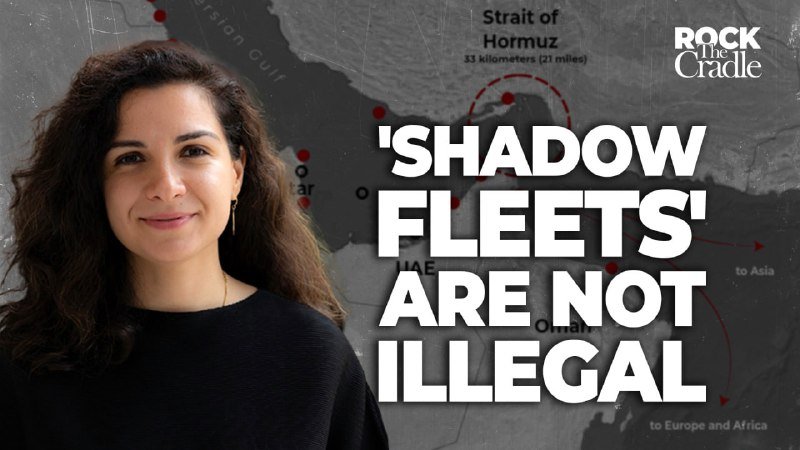
On 18 May 2026, Iran announced a bitcoin-denominated insurance product for commercial vessels transiting the Strait of Hormuz—simultaneously offering a logistical service to shipowners and a structural bypass around the dollar-swift banking network that underwrites most maritime insurance worldwide. The timing is not coincidental. On the same date, Reuters reported that Tehran was circulating a proposal for a long-term ceasefire and the staged reopening of the Strait, a waterway through which roughly a fifth of the world's oil shipments pass. Together, the two moves sketch a coherent strategy: Tehran is building a financial and diplomatic off-ramp at the same moment the West is watching its leverage over that corridor quietly erode.
This publication reads the announcement not as a gimmick but as the most consequential financial maneuver Tehran has attempted since sanctions pressure forced the rial into parallel markets. The insurance product—if it attracts uptake—places a genuine commercial service inside a sanctions ring that Western regulators have spent a decade tightening. Whether it works at scale is an open question. What matters is that it exists.
What the Product Actually Does
The core mechanism is straightforward: shipowners who cannot access conventional P&I insurance—because Western providers cannot touch Iranian risk without triggering US Treasury's Office of Foreign Assets Control—now have an alternative denominated in a cryptocurrency that moves outside the correspondent banking rails where dollar transactions are screened. Iran, through state-linked entities, is the underwriter and the settlement layer. The bitcoin is held in wallets that do not touch SWIFT-connected exchanges. No US bank, no EU clearing house, and no Lloyd's syndicate is implicated.
The commercial logic is real. Gulf shipowners, tanker operators running dark routes, and enterprises already transacting in non-dollar currencies have expressed interest in exactly this kind of workaround. Iranian state media framed it as a matter of national resolve—a continuation of diplomatic and maritime initiatives outlined on 18 May—but the financial architecture is what distinguishes this from the bluster of earlier Iranian counter-sanctions announcements. This is structured evasion, not propaganda.
The Truce That Comes with Strings
The Reuters reporting that same day complicates any straightforward reading of Iran as the aggressor in this dynamic. A proposal for a long ceasefire and staged reopening of the Strait signals that Tehran understands its leverage is temporal. A fully closed Hormuz destabilises global energy prices in ways that complicate Iran's own oil export revenue. A fully open Hormuz removes the one coercive premium Iran holds over regional rivals. The bitcoin insurance product is, in this reading, a hedge: whatever the diplomatic outcome, Iran retains a financial services channel through which it profits from the waterway's traffic.
Western capitals will read the ceasefire proposal with the suspicion it deserves. Iranian negotiating history includes the 2015 JCPOA withdrawal and years of uranium enrichment escalation. But the structural shift here is not about sincerity—it is about architecture. Tehran is constructing financial infrastructure that survives whatever the diplomatic cycle produces. The insurance product does not require a ceasefire to function.
Dollar Architecture Under Pressure
The broader pattern is what makes this significant beyond the immediate Iran dossier. The dollar's dominance in global shipping insurance is not incidental—it is a deliberate feature of sanctions architecture. US officials have described dollar exclusivity as a non-military lever of enormous potency: deny a target access to the dollar system and you choke its ability to conduct ordinary trade. That potency depends on universality. The moment a significant commercial function finds a viable non-dollar pathway, the lever weakens—not because the dollar is collapsing, but because targeted states develop workarounds that scale.
Iran's bitcoin insurance does not threaten to replace Lloyd's. It does not challenge the dollar's reserve status. What it does is demonstrate, in a real commercial context, that the architecture has a gap. Other states under sanctions pressure will notice. Some are already building. The precedent, once set, is not easily unwound even if Iran walks back its own proposal.
What the West Can and Cannot Do
The uncomfortable truth for Washington and its allies is that this particular tool resists the standard response toolkit. Additional OFAC designations against Iranian entities already under maximum pressure generate diminishing returns. A naval presence in the Gulf can deter interdiction; it cannot compel shipowners to use dollar-denominated insurance if a functional, cheaper, non-dollar alternative exists. The EU's incoming crypto-asset framework may tighten reporting requirements, but enforcement against a state actor willing to settle entirely outside regulated exchanges is a different problem entirely.
What remains uncertain is uptake. A product announced is not a market disrupted. The bitcoin insurance will need船舶经纪人和租船人的信任——这些人传统上对政治风险的规避程度很高,对转向未经证实的系统犹豫不决,除非有真正的商业需要。制裁的压力越大,这种需要的动机就越大。但伊朗的提议也表明,德黑兰意识到完全控制霍尔木兹的战略成本可能超过其收益。保险产品的持久力将取决于航运走廊本身的稳定程度——以及西方多大程度上愿意通过有意义的谈判来消除伊朗的动机,而不是仅仅依赖金融压制。
Wire provenance
This editorial synthesis draws on the following public wire/social posts:
- https://t.me/presstv/15432
- https://x.com/unusual_whales/status/1923478234560860289
- https://x.com/unusual_whales/status/1923432345678901234