Iran's China outreach exposes the limits of Western pressure — and the limits of hoping otherwise
When Tehran's deputy foreign minister met China's ambassador on 19 May, the optics were routine. The substance was not — and Western analysts who dismiss Beijing-Tehran engagement as rhetorical noise are reading the situation wrong.
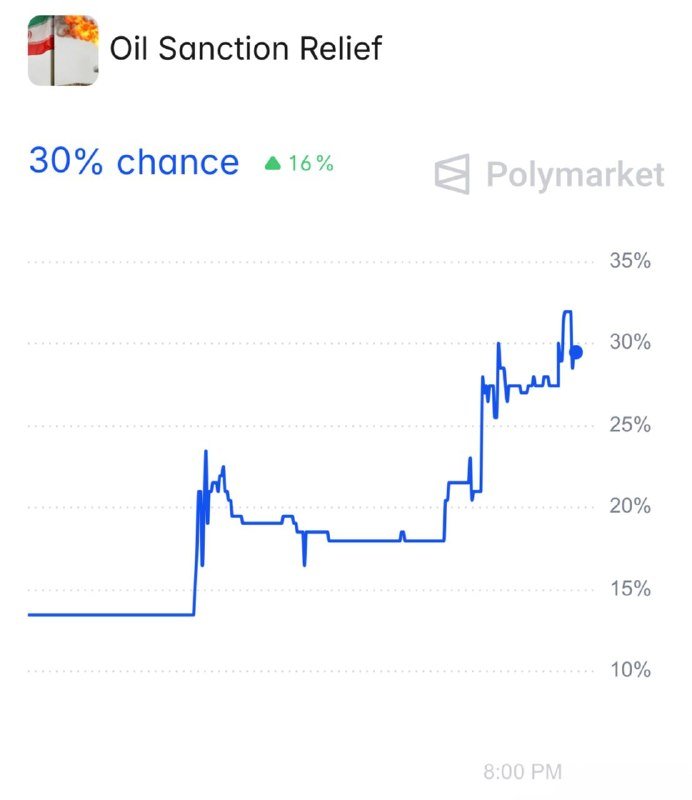
On 19 May 2026, Iran's Deputy Foreign Minister for Legal and International Affairs sat across from China's ambassador in Tehran. By the wire standards of diplomatic coverage, the meeting barely registered: a short read from IRNA, a brief confirmation from Tasnim, a line in a regional round-up. The framing from Western outlets, where such meetings receive coverage at all, treats them as ritual — theatre performed for domestic audiences, nothing more.
That framing is wrong, and the consequences of getting it wrong are significant.
Kazem Gharibabadi's meetings with Ambassador Cong Peiwu on Tuesday were not a courtesy call. They were a substantive review of bilateral ties and an explicit signal about regional alignment. Separately, Gharibabadi told IRNA that Iran is "firmly prepared to confront any aggression." The pairing was deliberate: partnership on one axis, deterrence on another, both dispatched from the same podium in the same news cycle. That is not ritual. That is strategy communicated through diplomatic channel.
The architecture of a different kind of engagement
China has been Iran's largest trading partner since the reimposition of US sanctions following the 2018 JCPOA withdrawal. Oil exports — the lifeblood of the Iranian economy — flow predominantly eastward. Petrochemical shipments, agricultural trade, and infrastructure cooperation all run through channels that Western sanctions architecture was designed to strangle and has not. The Comprehensive Strategic Partnership signed in 2021 was not, as some Western analysts suggested at the time, a paper exercise. It has produced concrete results: port cooperation, currency-swap arrangements, and a steady increase in trade volume that bypasses the dollar-denominated system.
This is the part that Western policy analysis consistently underweights. The sanctions regime was constructed around a specific theory of leverage: isolate Iran economically, create internal pressure, wait for capitulation. That theory has failed. Iran has not capitulated. It has pivoted. The bilateral relationship with Beijing is not a substitute for a Western reopening — it is the architecture of an alternative economic ecosystem that has proven durable under sustained pressure.
Preparedness as signal, not bravado
Gharibabadi's statement on preparedness deserves more than the cursory treatment it received in most Western coverage. "Firmly prepared to confront any aggression" is language that carries specific weight in the context of ongoing regional tensions — the shadow of an Israeli military campaign still fresh in memory, the nuclear file still open under separate track, and US pressure on the Iranian nuclear programme intensifying rather than easing.
Preparedness declarations from state officials are not spontaneous. They are calibrated. The message goes to multiple audiences simultaneously: domestic constituencies who want reassurance that leadership is not naive; regional partners who need to know Iran will not fold under pressure; and the broader international system, which is being told that coercive instruments will not produce the outcomes their designers intended.
That last audience matters most. The people who need to hear the preparedness message are not in Tehran or Beijing. They are in Washington, in the capitals of the EU, and in the think-tank corridors where Iranian policy is debated as a technical problem to be solved through pressure. Gharibabadi is telling them, in diplomatic language, that the pressure track has diminishing returns.
The multipolar arithmetic
The China-Iran relationship sits inside a larger pattern that Western commentary struggles to name without invoking theoretical frameworks that feel uncomfortable to deploy in editorial contexts. What we are watching is the construction of an alternative framework for economic and diplomatic engagement — one that does not route through institutions, norms, and dollar-denominated settlement systems that the West built and controls.
Iran is not China. Its economy is smaller, its leverage more limited, its dependence on the partnership more acute. But the partnership does not need to be equal to be functional. It needs to be sufficient to allow Iran to absorb sanctions pressure without fundamental collapse. By that measure, the relationship has succeeded. Tehran has maintained its core economic activity, continued its regional role, and avoided the internal crises that Western analysts repeatedly predicted.
China, for its part, gets a partner in a strategically vital region at a cost it can manage. It does not need Iran to be a model ally — it needs Iran to be a stable supplier, a diplomatic vote in international forums, and a counterweight to US regional influence. The meetings in Tehran on Tuesday served all three of those functions.
What the Western response gets wrong
The dominant Western frame on Iran-China engagement has two registers. The first is dismissive: these are not real partnerships, just transactional arrangements that will dissolve under sufficient pressure. The second, more honest but rarely stated explicitly, is frustrated: the sanctions architecture was supposed to make alternatives impossible, and they have proven possible anyway.
The frustration is more accurate than the dismissal. The sanctions regime has constrained Iran's options and imposed genuine costs. But it has not, and was never going to, produce the outcomes its architects described as the goal. Iranian decision-makers are not irrational. They have responded to pressure by building the infrastructure that makes pressure less effective. That is not a sign of weakness in the Iranian system. It is a sign of adaptability. And Western policy has not caught up to that adaptability.
The meetings on Tuesday were not a news event in the conventional sense. But they are a reminder that the architecture of international engagement is changing in ways that the current framework is not designed to accommodate. The West built a system that assumed isolation would be decisive. Iran found a partner willing to make that assumption wrong. The story of Iranian resilience is not new. But the lesson it carries for the durability of multilateral pressure campaigns has not been absorbed.
Monexus framed this as a structural shift in leverage rather than a bilateral curiosity — the dominant wire treatment positioned the meeting as a routine diplomatic item. The structural reading matters more.
Wire provenance
This editorial synthesis draws on the following public wire/social posts:
- https://t.me/Irna_en/10845
- https://t.me/JahanTasnim/9923
- https://t.me/Irna_en/10844