When Oil Sneezes: Iran Tensions, Energy Spikes, and Crypto's Humbling Lesson
Rising oil prices driven by Iran's ultimatum to Western powers have knocked crypto markets sideways — exposing, yet again, the asset class's brittle relationship with the same geopolitical forces it claims to have escaped.
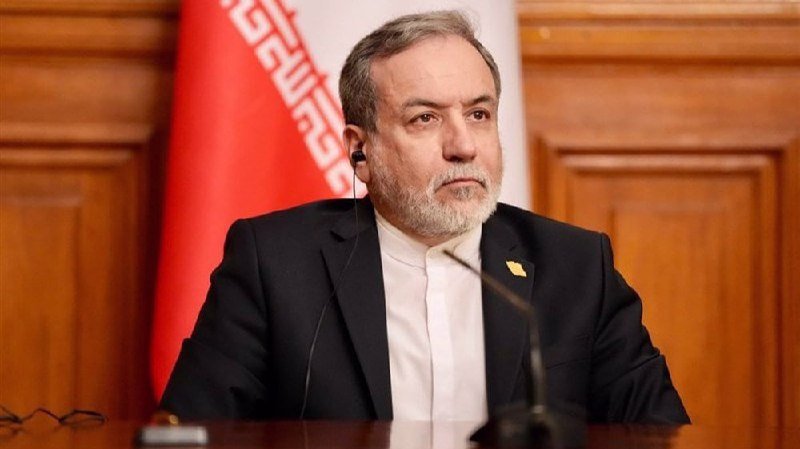
On 18 May 2026, oil markets moved first. A reported ultimatum from Tehran — delivered to Western capitals via diplomatic channels and carried by Iranian state-adjacent media — sent Brent crude sharply higher. Within hours, the ripple reached cryptocurrency markets, which fell in step. The lesson, for anyone still inclined to believe the asset class has decoupled from the old-world order of pipelines and petrodollars, was administered quickly and without ceremony.
The mechanism is not subtle. Higher oil prices feed directly into inflation expectations, which tightens the space for the kind of monetary loosening that has reliably inflated crypto valuations. When energy costs rise, central banks hold or hike; liquidity conditions tighten; risk assets — and crypto, despite its rhetoric of sovereignty, trades like a risk asset — come under pressure. This has played out before. It is playing out again.
The Iran Variable
The proximate trigger is Tehran's ultimatum, the precise terms of which remain a matter of competing accounts across Western and Iranian-aligned outlets. What is clear is that the diplomatic window appears to have narrowed materially, and that traders are pricing a meaningful increase in regional energy-supply risk. The Strait of Hormuz remains the world's most critical oil chokepoint; any escalation along that corridor moves global benchmarks by orders of magnitude that cryptocurrency markets simply cannot absorb without visible pain.
Western governments have, predictably, framed the ultimatum as bad-faith posturing. Iranian state media, equally predictably, has cast it as a justified response to continued sanctions pressure. The structural reality sits somewhere between both framings: Iran has accelerated its nuclear programme in response to sustained economic strangulation, and the international community lacks the consensus to craft an alternative diplomatic pathway. That vacuum is a price signal.
Crypto's Resilience Myth
The cryptocurrency industry has long argued — in white papers, in conference keynotes, in the relentless marketing of its largest intermediaries — that digital assets represent an alternative to the Dollar-anchored global financial order. The claim has always been half-true at best. On 18 May, it was tested and found wanting.
Bitcoin, Ethereum, and the broader altcoin cohort fell as energy prices rose. The correlation is not new: the asset class peaked when the Fed began tightening in 2022, collapsed alongside regional banks in 2023, and has followed oil modestly lower through several regional flare-ups since. What remains notable is how little the intervening years have changed the underlying dynamic. The infrastructure has not matured into a safe-harbour alternative. The investor base — still retail-heavy relative to traditional finance — has not developed the institutional depth that would allow prices to resist macro gravity. When the old order sneezes, crypto catches cold.
There is a secondary effect worth naming: rising oil revenues, all else equal, strengthen the hand of energy exporters and the currencies they manage. Dollar demand rises. The very mechanisms that crypto proponents said their asset class would circumvent — currency denomination, commodity price cycles, geopolitical risk premia — reassert themselves with mechanical reliability.
The Complicity of the Narrative
Crypto's boosters bear some responsibility for the disconnect. The industry spent much of the last cycle positioning itself as geopolitical infrastructure — a system that could route around sanctions, settle cross-border payments without correspondent banking, and provide a financial layer independent of SWIFT. Some of that was always genuine; the underlying blockchain architecture does what its proponents claim in narrow technical terms. But the broader marketing — the idea that holding Bitcoin is a political act of monetary sovereignty — has consistently outrun the reality of how markets actually behave on days like 18 May.
Retail traders who internalized that framing — who bought the narrative of decoupling — absorbed losses that were entirely explicable through old-world variables: a spike in energy futures, driven by a Middle Eastern diplomatic crisis, knocking a speculative digital asset class sideways. The irony is not subtle. The asset class that promised liberation from geopolitics is one of the most sensitive seismographs for it.
Where This Leaves Things
The sources do not yet agree on whether Iran's ultimatum represents a negotiating position or a genuine escalation trigger. What is not in dispute is that energy markets are pricing elevated risk, and that crypto markets are responding in kind. The structural lesson — that digital assets remain tethered to the macro environment even as their proponents claim otherwise — is one the market keeps relearning.
The deeper question is whether the current moment represents a correction in a longer maturation arc, or whether the resilience thesis was always a marketing construct rather than a technical one. On present evidence, the honest answer tilts toward the latter. Crypto may yet become the safe haven it claims to be. But it will need to demonstrate that it can absorb oil spikes, Iran crises, and Fed decisions without falling in step — repeatedly, across multiple cycles, with institutional-grade conviction behind the bid. That day has not yet arrived.
This publication's crypto desk has tracked Iran-related market moves since the 2022 Donbas escalation. The pattern remains consistent.
Wire provenance
This editorial synthesis draws on the following public wire/social posts:
- https://t.me/CryptoBriefing/
- https://t.me/nikkeiasia
- https://t.me/nikkeiasia