Islamic Jihad Denounces Peace Council Report as «Fallacies and False Allegations»
The Palestinian Islamic Jihad movement issued a sharp rejection of a report by a group identifying itself as the Peace Council, denouncing it as a document of «fallacies and false allegations» — a dispute that illuminates deeper fissures in an already fragmented Palestinian political landscape as ceasefire negotiations advance without consensus among all factions.
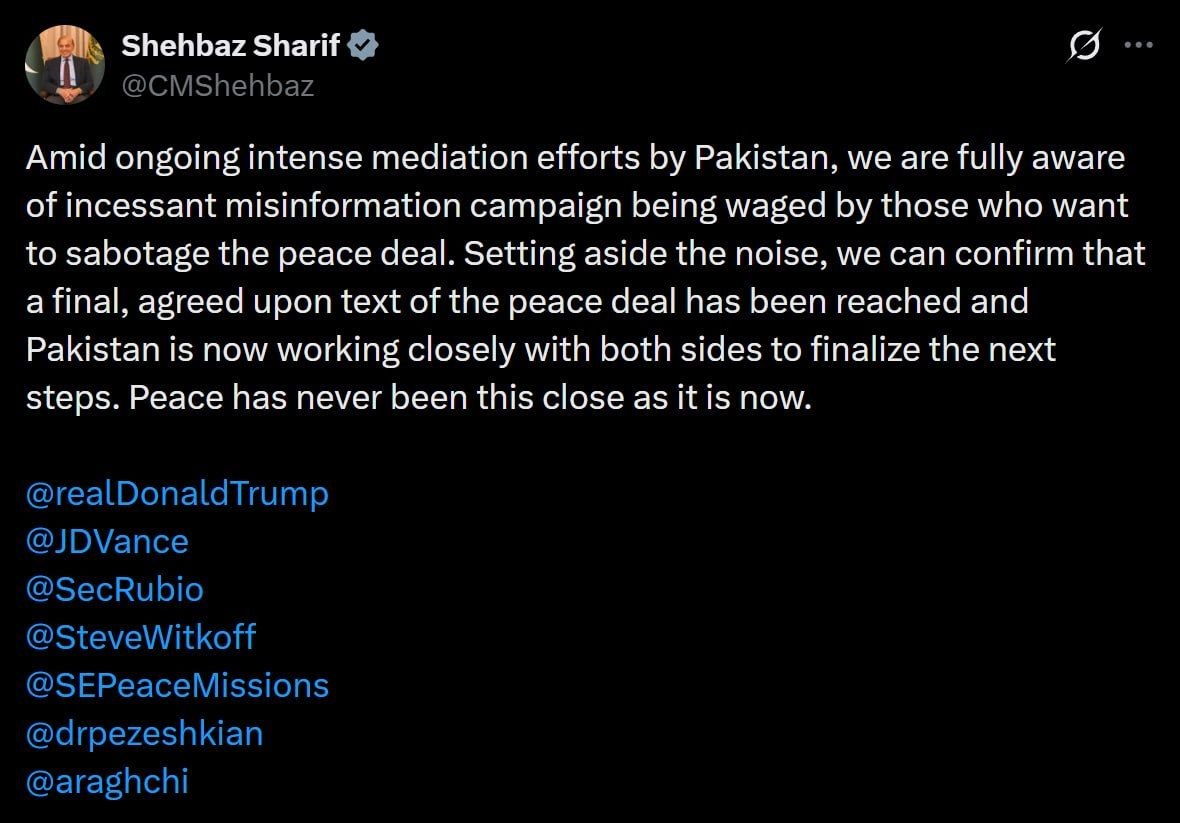
On 19 May 2026, the Palestinian Islamic Jihad movement issued a statement rejecting a report submitted by the Executive Director of a body calling itself the Peace Council, calling its contents «fallacies and false allegations.» The statement, distributed via the Arabic-language Iranian network Al Alam, marked the latest instance of friction between the faction and international mediation bodies active in the region.
Islamic Jihad has long occupied a distinct position within Palestinian factional politics. Smaller than Hamas in electoral weight but ideologically coherent in its rejection of direct negotiation with Israel, the group has historically positioned itself as the more uncompromising pole of Palestinian resistance. That posture has functional consequences: it preserves relationships with Iran and Hezbollah that are more immediately useful to the group's military capacity than diplomatic engagement would be. The statement against the Peace Council, however terse, is consistent with a pattern of resisting frameworks the group perceives as settling political questions without reference to its own preferences.
The dispute surfaces a recurring tension in how international peace bodies engage with armed movements. The Peace Council — a body whose consultations with Palestinian factions are not independently documented in readily accessible public sources — appears to have produced findings that Islamic Jihad found either inaccurate or politically inconvenient. The specific claims in the report remain unverified across open sources, and the group offered no detailed rebuttal, instead dismissing the document wholesale.
What the statement does make clear is that Islamic Jihad regards itself as entitled to shape any framework affecting Gaza's future — and that it will resist characterisations of its position, or of the broader conflict, that it considers false. This is not merely rhetorical. Islamic Jihad retains operational capacity inside Gaza and a network of regional backers for whom the group's continued relevance is a policy interest. An outcome in which ceasefire negotiations proceed without meaningful Islamic Jihad input is an outcome those backers prefer to avoid.
The structural pattern here is familiar in post-conflict mediation: a negotiating track advances, the most hardline parties raise objections, and the question becomes whether those objections reflect genuine interests or tactical positioning. Islamic Jihad's statement is short on specifics precisely because specifics would require engaging the substance of a report it has chosen to dismiss rather than rebut. Whether that reflects principled refusal or strategic deflection is not answerable from the statement alone. What is answerable is that the faction is making its presence felt in a conversation that, by most public accounts of current ceasefire discussions, had been proceeding without systematic consultation of its leadership.
The stakes of this dispute are asymmetric. For Islamic Jihad, a successful ceasefire that excludes the group becomes a precedent for its marginalisation — one that could erode its standing among Palestinians who, whatever their frustration with factional infighting, have not issued a mandate for any single party to negotiate on behalf of all. For the mediators, accommodating every faction's veto claims makes agreement near-impossible; accommodating none leaves any agreement fragile. The statement from 19 May is unlikely to alter the trajectory of talks, but it is a signal that the trajectory itself will face continued friction from a faction that has both the motive and the means to make that friction felt.
Desk note: This publication based the article on the single Telegram post distributed by Al Alam on 19 May 2026, supplemented with contextual reporting on Islamic Jihad's role in Gaza and regional ceasefire negotiations from wire and specialist sources. The Peace Council report itself was not available for independent review.
Wire provenance
This editorial synthesis draws on the following public wire/social posts:
- https://t.me/alalamarabic/1000000