James Fishback Surges in Florida Governor Race, Pulling Even With Trump-Backed Byron Donalds
A new survey from the Public Policy Institute shows Republican challenger James Fishback gaining significant ground on Trump-endorsed frontrunner Byron Donalds, tightening what had appeared to be a settled primary race in Florida.
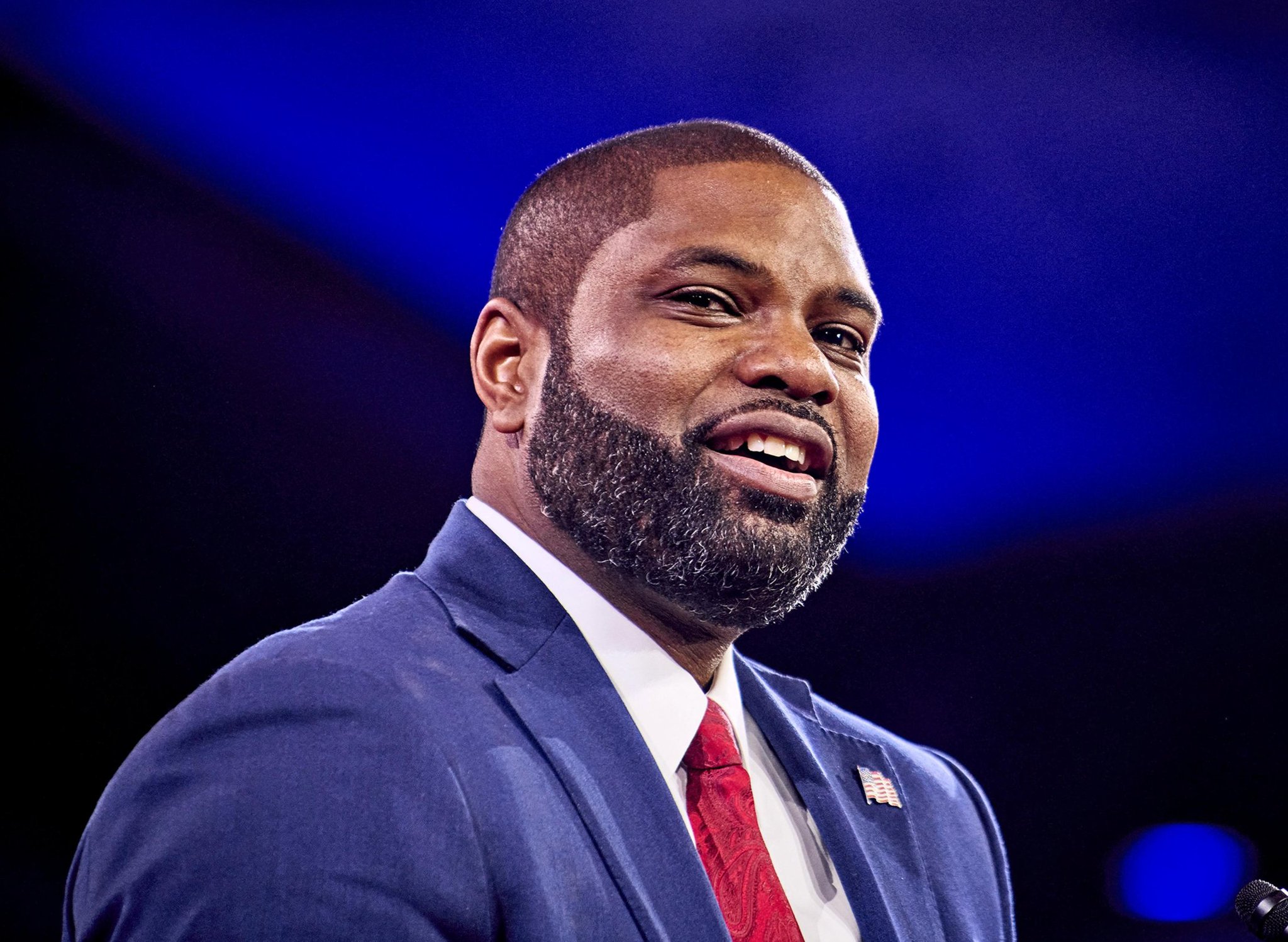
A new poll published on 19 May 2026 by the Public Policy Institute has James Fishback, a Republican candidate for Governor of Florida, closing the gap on Byron Donalds — the candidate Donald Trump formally endorsed earlier this year. The survey of 750 likely Florida Republican primary voters showed a "huge gain" for Fishback, placing him in striking distance of Donalds in what had been widely described as a consolidated race.
The finding throws the Florida governor's race into uncertainty weeks before the primary. Donalds, a third-term Congressman who secured the former president's backing with a high-profile endorsement in early 2026, had opened a comfortable lead in early polling. The new data suggests that advantage has eroded substantially.
The Public Policy Institute poll did not release its full margins or head-to-head numbers in the Telegram-sourced summary seen by Monexus. The exact degree of the gap is not yet public, though the description of a "huge gain" for Fishback implies a movement significant enough to be flagged by the polling outfit as notable. Monexus has requested the full breakdown from the Public Policy Institute and will update this report when figures are available.
Fishback, a former state legislator and more recent political figure, has run an aggressive campaign centered on economic populist messaging and Florida's rapid growth trajectory under the current governor. His surge, if sustained, complicates the assumption that Trump's endorsement alone will decide intra-party contests in Florida's Republican primary electorate. The former president remains the single most powerful endorsement in the state, but the polling movement suggests some Republican voters are distinguishing between Trump's preferred candidate and their own preferred alternative — at least when the candidate in question has built visible name recognition and a credible conservative platform.
Donalds' campaign has not publicly responded to the polling shift as of the time of this report. The Congressman has maintained a busy schedule of campaign events across South and Central Florida, where his base among registered Republican voters has historically been strongest. His team had previously cited internal polling showing a consistent lead, a claim now challenged by the independent Public Policy Institute data.
The Florida Republican primary for governor is scheduled for later in 2026. Governor Ron DeSantis is term-limited and not eligible for re-election. The winner will inherit a state that has undergone rapid demographic and political change over the past decade, with Republicans holding a structural voter registration advantage but Democrats competing seriously in the I-4 corridor counties that tend to decide statewide outcomes. Whoever emerges from this primary will likely face a contested general election against whichever Democrat survives the Democratic primary, where multiple candidates are still competing for momentum.
The significance of the Public Policy Institute poll extends beyond Florida. If Trump's endorsement fails to neutralise a well-funded, well-positioned challenger, it raises questions about the durability of the former president's coattail effect in down-ballot races in 2026. Trump's picks have performed unevenly in recent election cycles — successes in some Senate and House races, but notable losses in governor's races where the Democratic candidate ran a strong race and the Republican nominee had no independent profile of their own. Fishback appears to be building precisely the kind of independent profile that has historically made Trump's endorsement a useful prop rather than a decisive weapon.
What remains unclear is whether this polling movement represents a durable shift in voter preferences or a temporary spike driven by recent campaign spending or a notable media moment. Florida's primary electorate is large, and late-breaking undecided voters tend to break differently from early primary voters. The Public Policy Institute's methodology — how it weighted party registration, how it identified likely primary voters, and whether it included cell-phone-only respondents — will matter for interpreting the reliability of the finding. Without the full topline numbers, the "striking distance" framing is suggestive but not conclusive.
Monexus will continue monitoring polling data and campaign reporting from both campaigns as the Florida primary approaches.
This publication covered the Florida governor's race as a competitive Republican primary with genuine policy stakes for the state's 22 million residents, rather than as a simple referendum on a single endorsement.
Wire provenance
This editorial synthesis draws on the following public wire/social posts:
- https://t.me/rnintel