Musk's OpenAI Lawsuit Fails as Jury Cites Timing; Tax-Return Offer for Grok Training Draws Scrutiny
A San Francisco jury rejected Elon Musk's breach-of-contract claim against OpenAI on 16 May 2026, siding with the company's argument that the lawsuit was filed well outside the applicable limitations period. The verdict came as reporting surfaced that Musk's own AI venture, xAI, had sought employee tax data as training fodder for its Grok model — an irony the legal outcome did nothing to dull.
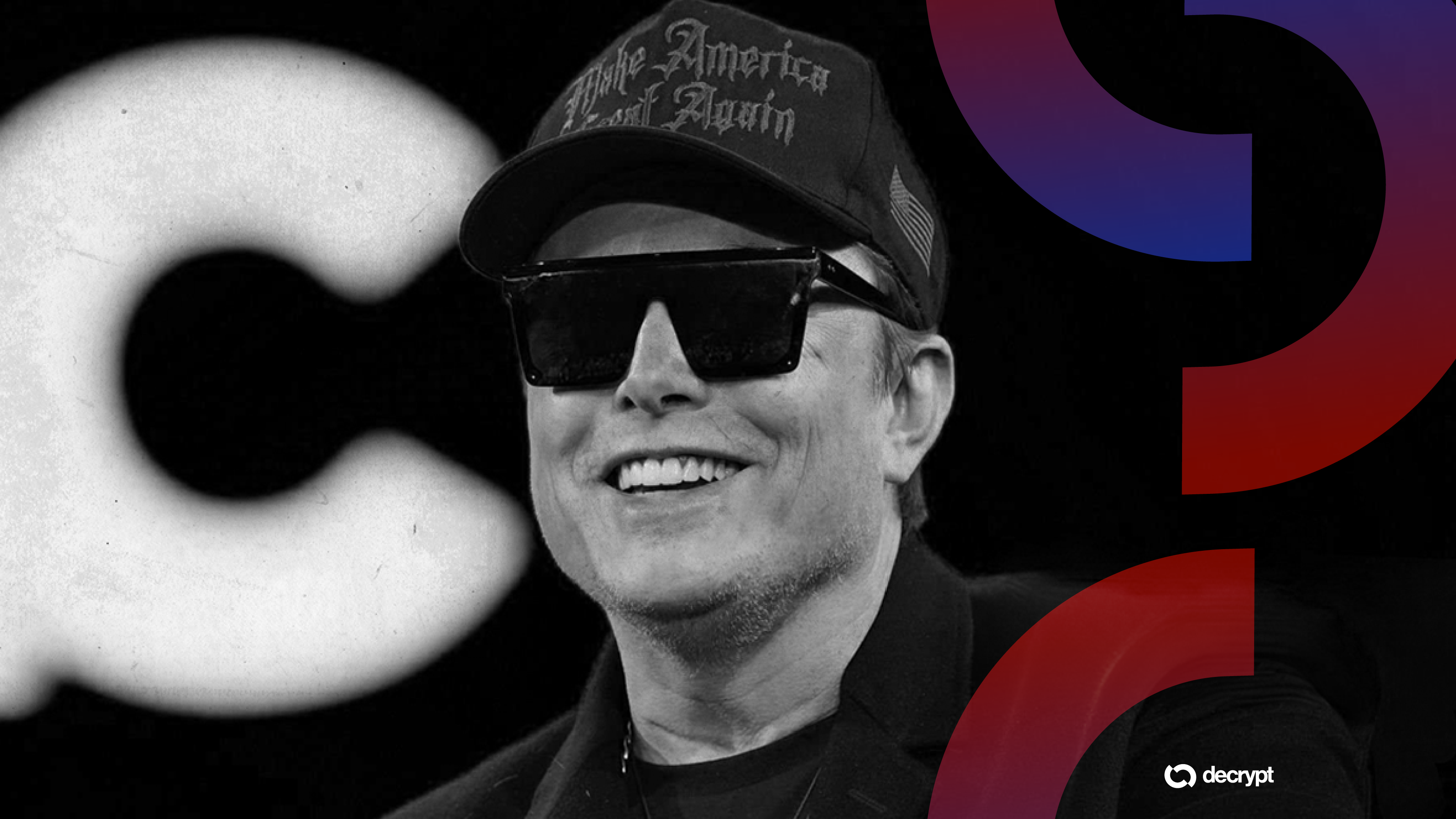
A San Francisco jury delivered a swift verdict on 16 May 2026, rejecting Elon Musk's breach-of-contract claim against OpenAI. The jury found that OpenAI had not breached any founding agreement with Musk and, crucially, that the world's richest person had waited too long to bring the suit. Jurors deliberated for less than a day before returning the decision against Musk, whose legal team had argued that OpenAI's pivot toward a for-profit structure and its deepening ties to Microsoft represented a fundamental betrayal of the company's original nonprofit mission.
The timing finding is legally significant. California courts apply a multi-year statute of limitations to breach-of-contract claims, and OpenAI's legal team argued — successfully — that Musk was aware of the company's structural changes years before filing. Musk's attorneys contended he had been misled about the pace and scope of those changes, but the jury declined to extend any equitable tolling. The outcome leaves Musk without a judicial remedy against the very company he helped incubate and from which he later publicly broke.
The Tax-Return Offer
While the jury was deliberating, a separate disclosure underscored the reputational complexity of Musk's position. Bloomberg reported on 18 May 2026 that xAI, Musk's AI startup, had asked employees earlier this year to submit their personal tax returns as training data for the Grok large language model. Workers were offered $420 in exchange for furnishing the documents — a figure that, given Musk's well-documented predilection for symbolic dollar denominations, was not lost on outside observers. The offer raised immediate questions about data governance, employee consent, and the willingness of a company with stated concerns about AI safety to repurpose intimate financial records for model training.
Tax returns contain highly sensitive information: income sources, investment holdings, charitable donations, and dependent details. Privacy advocates noted that even anonymization offers imperfect protection when datasets are large and records are individually identifiable. Whether xAI's offer was voluntary in any meaningful sense — given the power asymmetry between an employer and a gig-economy-era workforce — was a question the reporting left open. xAI did not respond to requests for comment on the record.
The Irony Problem
The juxtaposition of the two stories is not subtle. Musk spent years arguing that OpenAI had abandoned its founding compact — that the organization had traded a commitment to beneficial AGI for shareholder value. He filed suit in February 2025 seeking an injunction to prevent OpenAI from converting to a for-profit entity and, reportedly, demanding the disgorgement of profits he argued were improperly gained. A court was not persuaded.
Yet xAI's own practices invite a parallel audit. The company operates outside the nonprofit sector entirely, having been structured from inception as a commercial enterprise. Its data practices have received far less external scrutiny than OpenAI's — partly because xAI has been less transparent about its training pipelines and model architecture. The tax-return offer, if accurately characterised, suggests an appetite for leveraging employee data that would likely provoke sharp criticism were it attributed to a company Musk has publicly accused of similar overreach.
Structural Questions the Jury Did Not Settle
The verdict sidestepped the substantive question of whether OpenAI's conversion to a public-benefit corporation adequately preserved its original mission. That question remains live in separate litigation brought by attorney generals and in regulatory reviews of AI-company governance structures across multiple jurisdictions. A New York court is still weighing a parallel suit, and the Securities and Exchange Commission has signalled interest in whether the restructuring triggered adequate disclosure obligations.
The jury's conclusion on limitations also says nothing about whether Musk's underlying factual claims about mission drift are accurate. OpenAI has consistently argued that its conversion was necessary to secure the capital required to compete in a market where Anthropic, Google DeepMind, and Meta AI are spending tens of billions annually on frontier model development. Whether a nonprofit structure could have sustained that effort is a genuine empirical question — one the company claims the answer is no.
What Comes Next
Musk has vowed to appeal. His legal team argued at trial that the limitations clock should run from a specific corporate event rather than an earlier disclosure date, a theory the jury rejected. Appeal courts give considerable deference to jury factual findings but review limitations rulings de novo. The outcome of any appeal will hinge on whether California appellate judges find the lower court's timeline reasoning sound.
Separately, the xAI tax-return episode is likely to attract attention from the Federal Trade Commission, which has signalled growing interest in AI-company data practices, and from state-level regulators in Delaware, where xAI is incorporated. Employee-benefit and data-protection lawyers have noted that whether the offer constituted a genuine choice is legally distinct from whether it constituted a violation — the former being a factual question, the latter a legal one requiring a jurisdictional hook.
For now, the legal record shows two Musk ventures in materially different postures: one that has lost in court, and another that is facing questions about how it sources its most sensitive training material. Neither outcome is final.
Desk note: The wire services led with the jury verdict throughout the 16 May evening cycle, with Reuters, the South China Morning Post, and Bloomberg all carrying the story. Bloomberg's tax-return disclosure broke separately and received less prominent placement despite its evident news value. Monexus has chosen to treat both developments as co-equal in this piece, because the contrast between them is the more instructive frame for readers navigating the Musk-and-AI beat.