Nashville Lands Super Bowl LXIV: Titans' New Stadium Puts Music City on the Clock
The NFL has selected Nashville as host city for Super Bowl LXIV in 2030, a decision that will test whether the Titans' still-under-construction stadium can deliver an event of this scale — and whether Music City has the infrastructure to match the moment.
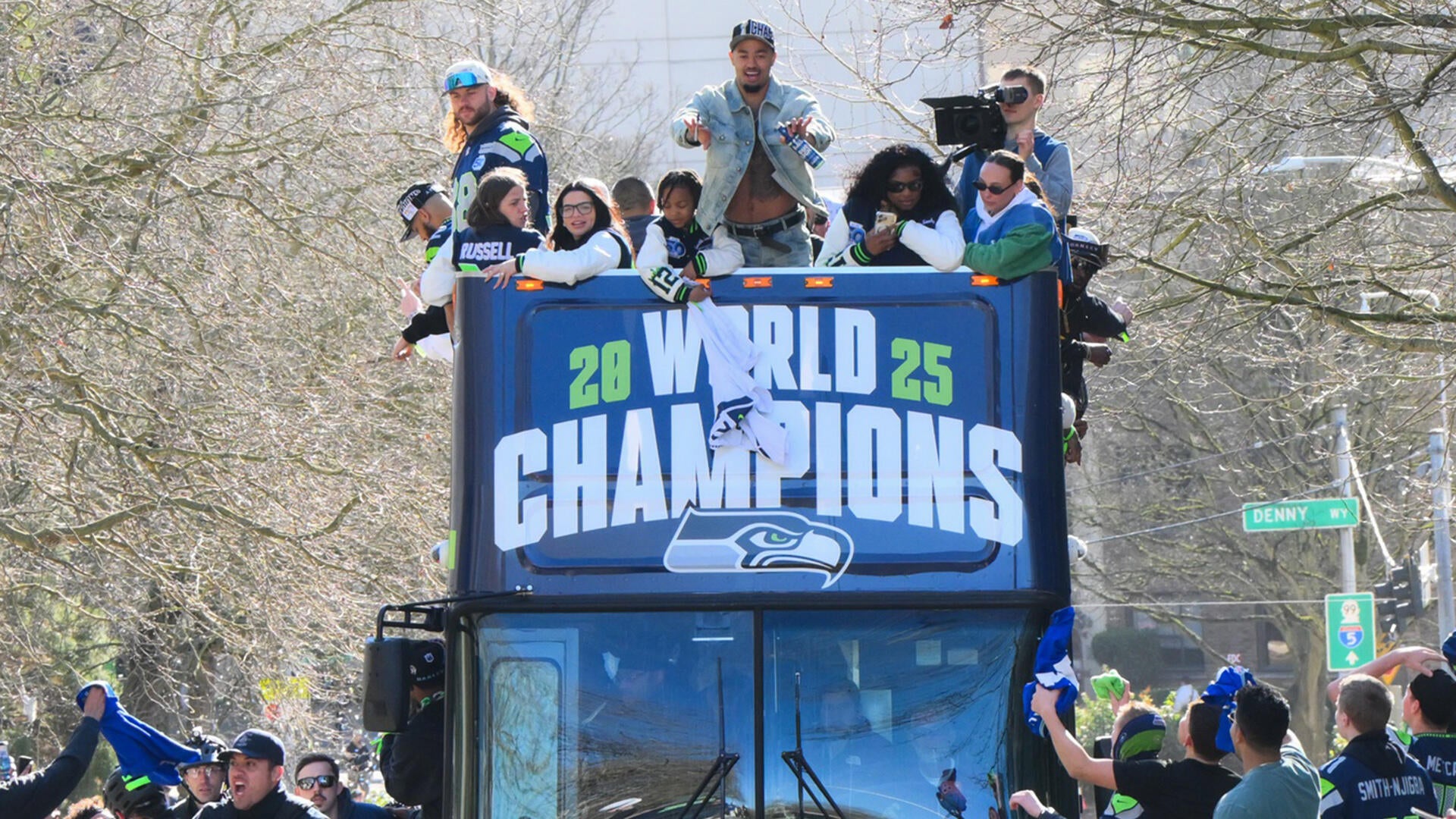
The NFL confirmed on May 19, 2026, that Nashville will host Super Bowl LXIV in 2030 — an event that will arrive three years after the Tennessee Titans are scheduled to open their new downtown stadium. The announcement puts Music City on an accelerated timeline: build the venue, prove the city's event-readiness, and deliver a spectacle befitting the league's marquee property.
The decision arrives as the Titans prepare to leave Nissan Stadium, their home since 1998, and move into a purpose-built facility in the heart of Nashville. NFL Commissioner Roger Goodell, speaking at the league's spring owners' meeting, called the selection a recognition of the city's growing footprint in professional sports and its capacity to draw national audiences. Host committee formation is expected to begin in the coming months, with Nashville's civic and business leadership tasked with assembling the logistical infrastructure — transportation, hospitality, security — that a Super Bowl demands.
The stadium that makes it possible
The announcement is inseparable from the Titans' stadium project, which broke ground in 2025 and is slated for completion in 2027. Without a modern NFL-caliber venue, Nashville would not have been a credible candidate. The decision to award the Super Bowl three years before the first regular-season game is played at the new stadium signals the NFL's confidence in the construction timeline and in the franchise's commitment to a venue that meets league standards for a championship broadcast.
For the Titans, hosting a Super Bowl represents a significant financial and reputational injection. The last NFL franchise to open a new stadium and then host a Super Bowl within the same metro area was Levi's Stadium in Santa Clara, which staged Super Bowl 50 in 2016, four years after breaking ground. Nashville's compressed four-year window is aggressive by historical comparison and places unusual pressure on construction schedules and city preparations.
Nissan Stadium's lease expires after the 2026 season, leaving the Titans without a long-term home venue during the transition period. The team has not yet confirmed temporary arrangements for the 2027 and 2028 seasons, a detail that remains unresolved as the countdown to Super Bowl LXIV begins.
What the NFL is buying
Host city selections reflect the league's commercial calculus as much as a city's preparedness. Nashville brings a built-in national audience that most mid-sized Super Bowl hosts cannot offer. The city is already a tourist destination independent of football; the Super Bowl amplifies an existing brand rather than constructing one from scratch. Attendance figures for previous Music City events — NCAA tournament games, SEC Championship weeks, Nashville's own bowl game history — suggest a baseline of logistical competence that the NFL's site-selection committee weights heavily.
The financial upside for the host city is substantial and well-documented. Super Bowl LVIII in Las Vegas generated an estimated economic impact exceeding $600 million for the Las Vegas metropolitan area, according to analyses conducted by the host committee and reviewed by the chamber of commerce. Nashville's tourism infrastructure — concentrated hotel capacity, a walkable entertainment district, direct flight access from major hubs — positions it to capture a comparable if not larger figure in 2030.
But the league also extracts. Host committees fund a significant portion of the event's operational costs — security, transportation, fan experience zones — and the NFL retains substantial revenue from broadcast rights, sponsorship, and ticket allocations. The financial arrangement is not one-sided: cities compete fiercely for the event precisely because the visibility and indirect economic benefits outweigh the direct costs. Nashville's city council and state legislature will need to approve funding arrangements for the host committee in the years ahead.
Precedent and the stadium-as-venue argument
The Super Bowl has increasingly been awarded to markets with recently built or newly renovated stadiums. Since 2010, every host city but one has opened or renovated its primary NFL venue within five years of the game. The exception — Indianapolis for Super Bowl XLVI in 2012 — relied on the RCA Dome, which the Colts were in the process of replacing with Lucas Oil Stadium.
Nashville fits the pattern. The Titans' new stadium is not merely the venue for Super Bowl LXIV — it is the condition for the award. The NFL does not stage its championship game in a stadium that is not purpose-built for the occasion; the broadcast requirements, premium seating demands, and media infrastructure all require a facility designed around a modern NFL game's specifications. The new stadium's design, which has not been fully disclosed, is expected to include expanded broadcast compounds, luxury suites, and a footprint suited to the Super Bowl's week-long activation.
The question for skeptics is whether Nashville's ambition outpaces its capacity. The city has never hosted a Super Bowl. The last major NFL championship staged in Tennessee was Super Bowl XXXIX in 2005, which was played in Jacksonville, Florida — not within 500 miles of Nashville. The learning curve for host city operations, from police deployment to fan zone management, is steep and unforgiving. The NFL's ability to provide operational support mitigates some of that risk, but the burden falls on local government and the host committee to execute.
What 2030 requires
Four years is a long runway and a short one simultaneously. Nashville's planning cycle must address transportation bottlenecks — Nashville International Airport handles significant seasonal traffic and will need expansion or mitigation plans — and lodging shortfalls, as Super Bowl host cities routinely face hotel shortages that push visitors to secondary markets. The Titans' new stadium, located in the SoBro district, sits adjacent to the city's existing entertainment infrastructure, which should ease fan movement but will also concentrate traffic in a corridor already subject to congestion.
The NFL's decision to award the game now, before the stadium is complete, is itself a statement: the league believes in Nashville's trajectory. The question for the city is whether it can convert that belief into infrastructure before the clock runs out. A construction delay, a funding shortfall, or a city council impasse on host committee resources could erode the margin for error that the four-year timeline provides.
What is not in doubt is the prize. Super Bowl LXIV will be the most-watched event in Nashville's civic history. The city that hosts it will be remembered — and so will the stadium that makes it possible.
This publication's coverage prioritises the host city selection announcement and its logistical implications. Wire coverage from the NFL's announcement has been the primary source for factual claims regarding the 2030 Super Bowl selection and the Titans' stadium timeline.