Oil Drops as Trump Postpones Iran Strike, Citing Gulf Arab Diplomacy
Crude markets fell sharply on May 19 after the Trump administration announced it had delayed planned military action against Iran by two to three days, citing progress in Gulf-mediated negotiations. The pause raises questions about whether Saudi, Qatari, and Emirati mediation signals a genuine diplomatic opening or a calibrated pressure tactic.
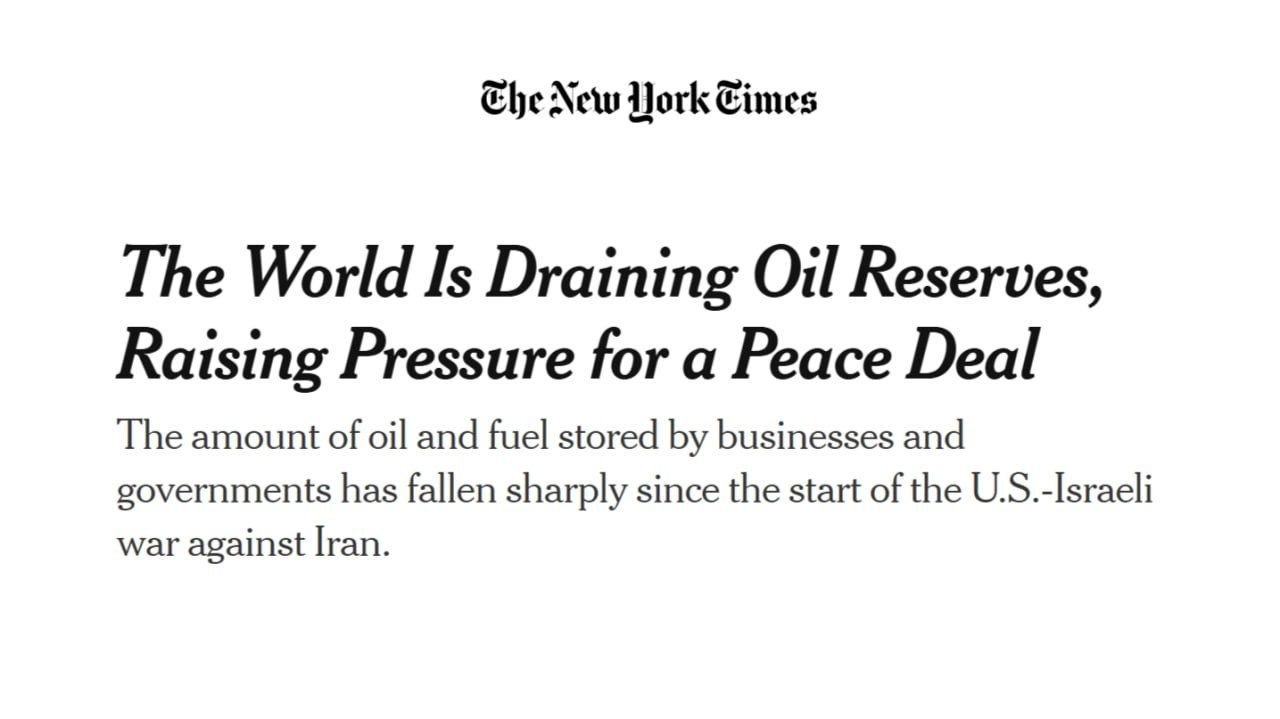
Oil markets lurched lower on May 19, 2026, after the Trump administration confirmed it had postponed planned military action against Iran by two to three days, citing what officials described as progress in Gulf Arab-mediated diplomatic efforts. Brent crude fell more than 2 percent in early trading, reflecting investor relief at the prospect of a ceasefire in a conflict that had threatened to disrupt flow through the Strait of Hormuz, through which roughly a fifth of the world's oil passes.
The announcement came via a post from the official account of the U.S. President, stating that Saudi Arabia, Qatar, and the United Arab Emirates had indicated their belief that Tehran and Washington were approaching a deal worth pursuing before resorting to military force. Within hours, Reuters confirmed the price move, with crude down more than 2 percent on the day. Reuters also reported President Trump saying there was a "good chance" of securing a revised nuclear agreement with Iran.
The deferral raises immediate questions about the substance and credibility of the Gulf mediation effort, and whether the pause in military planning reflects a genuine shift toward diplomacy or a tactical recalibration within a broader coercive campaign.
What the Delay Signals and Who Requested It
The language from the Trump administration has been notably specific about the role Gulf states played in the deferral. According to a post published on May 18 and widely amplified by regional accounts, the President stated directly that the attack had been postponed because Saudi Arabia, Qatar, and the UAE believed a deal was within reach. This framing puts three U.S. regional partners at the center of the diplomatic process, positioning them as interlocutors rather than bystanders.
That positioning matters. Saudi Arabia and the UAE have pursued their own parallel normalization efforts with Tehran in recent years, driven partly by concerns about regional stability and partly by commercial interests in avoiding a wide-ranging conflict that would destabilize energy markets. Qatar, which hosts a major U.S. military base, has played a quieter but consistent diplomatic role in back-channel talks across the region. Their collective lobbying for a pause is consistent with that track record.
The White House framing also implies a deadline: the strikes are postponed, not cancelled. Two to three days is a narrow window. The Reuters reporting on the price move and the nuclear deal comment came from the same news cycle, and the White House has given no public indication that the military option has been removed from the table. The posture remains coercive even as it pauses.
Can a Deal Actually Be Struck?
The "good chance" language from the President is carefully calibrated for markets and domestic audiences, but negotiating history with Iran under multiple U.S. administrations suggests the distance between initial signals and final agreements is wide. The original Joint Comprehensive Plan of Action (JCPOA) took nearly two years of formal negotiations and was reached only after shuttle diplomacy across European capitals, not after a narrow window of Gulf-mediated talks.
That history does not make a deal impossible, but it argues for scepticism about timelines. Iran's nuclear programme has advanced significantly since 2018, when the Trump administration first withdrew from the JCPOA. Uranium enrichment levels, centrifuge numbers, and site opacity have all increased. Any revised agreement that Washington would accept as credible would need to address those advances in ways the original deal did not. Tehran, for its part, has consistently demanded sanctions relief as a precondition — a demand that sits uneasily with the maximum pressure framework that remains the stated posture of the current administration.
The Reuters report on the nuclear deal comment did not specify what terms the administration was seeking, nor what Tehran had signalled it would accept. The gap between the President's optimism and the structural constraints on both sides is real and should inform how markets price the diplomatic scenario.
Market Reaction and Structural Vulnerabilities
A 2 percent oil price drop on news of a postponed strike is a relatively muted market response by historical standards. During previous moments of elevated U.S.-Iran tension — the January 2020 Soleimani strike, the 2019 tanker incidents in the Gulf — moves of comparable geopolitical magnitude produced sharper and more sustained price spikes. The muted reaction may reflect several things: market fatigue with Iran escalation rhetoric, uncertainty about whether the pause is temporary, or confidence among traders that supply disruption remains unlikely absent a direct and sustained conflict.
That last point is the structural vulnerability the deferral exposes. The Strait of Hormuz is the chokepoint that markets price in when they price Iran risk. A limited strike targeting nuclear infrastructure or Revolutionary Guard assets could proceed without closing the Strait. But a sustained conflict — or the perception that one was beginning — would immediately price in tanker insurance premium spikes, GCC production uncertainty, and potential disruption to Saudi output that remains central to OPEC+ arithmetic. The oil market's relatively calm reaction to May 19's news suggests traders are pricing the pause, not the permanent resolution.
For energy-consuming economies in Europe and Southeast Asia, the stakes are immediate and material. A sustained conflict pushing Brent above $100 per barrel would compound existing inflation pressures and constrain central bank flexibility in ways that are difficult to model into consensus forecasts. The diplomatic window the Gulf states have opened is narrow; its failure carries a price.
What Comes Next
The two-to-three-day window is tight by the standards of any diplomatic process, but it is also consistent with a pattern the Trump administration has employed elsewhere: maximum pressure followed by a tactical pause calibrated to allow a face-saving outcome before escalating again. Whether that pattern produces a durable deal with Iran or simply resets the clock depends on what both sides need politically to claim victory.
For Riyadh, Abu Dhabi, and Doha, the incentive to deliver is partly about regional stability and partly about protecting relationships with both Washington and Tehran that have taken years to rebuild after the conflicts of the 2010s. For the White House, the incentive includes a market-friendly outcome heading into a period of domestic economic pressure and a desire to demonstrate dealmaking capacity on a legacy foreign policy file.
For now, the market reaction has been relief. The structural question — whether this pause marks the beginning of a process or a tactical interruption in an escalation that resumes after the Gulf diplomacy window closes — remains open. Markets will be watching next week's crude inventories and any statement from the State Department for signals about where the administration lands.
This publication noted the Reuters reporting on oil prices and the nuclear deal comment as the primary wire framing; the Axios reporting on the IRS lawsuit dismissal appeared in the same news cycle but was unrelated to the Iran coverage and was not incorporated into this article's focus.
Wire provenance
This editorial synthesis draws on the following public wire/social posts:
- http://reut.rs/4dPisaG
- http://reut.rs/49VkKCG
- https://x.com/unusual_whales/status/1791966934785823296
- https://t.me/GeoPWatch/12458
- https://t.me/spectatorindex