Stephon Castle's Overtime Dunk Seals Statement Win as Spurs Take 1-0 Lead Over Thunder
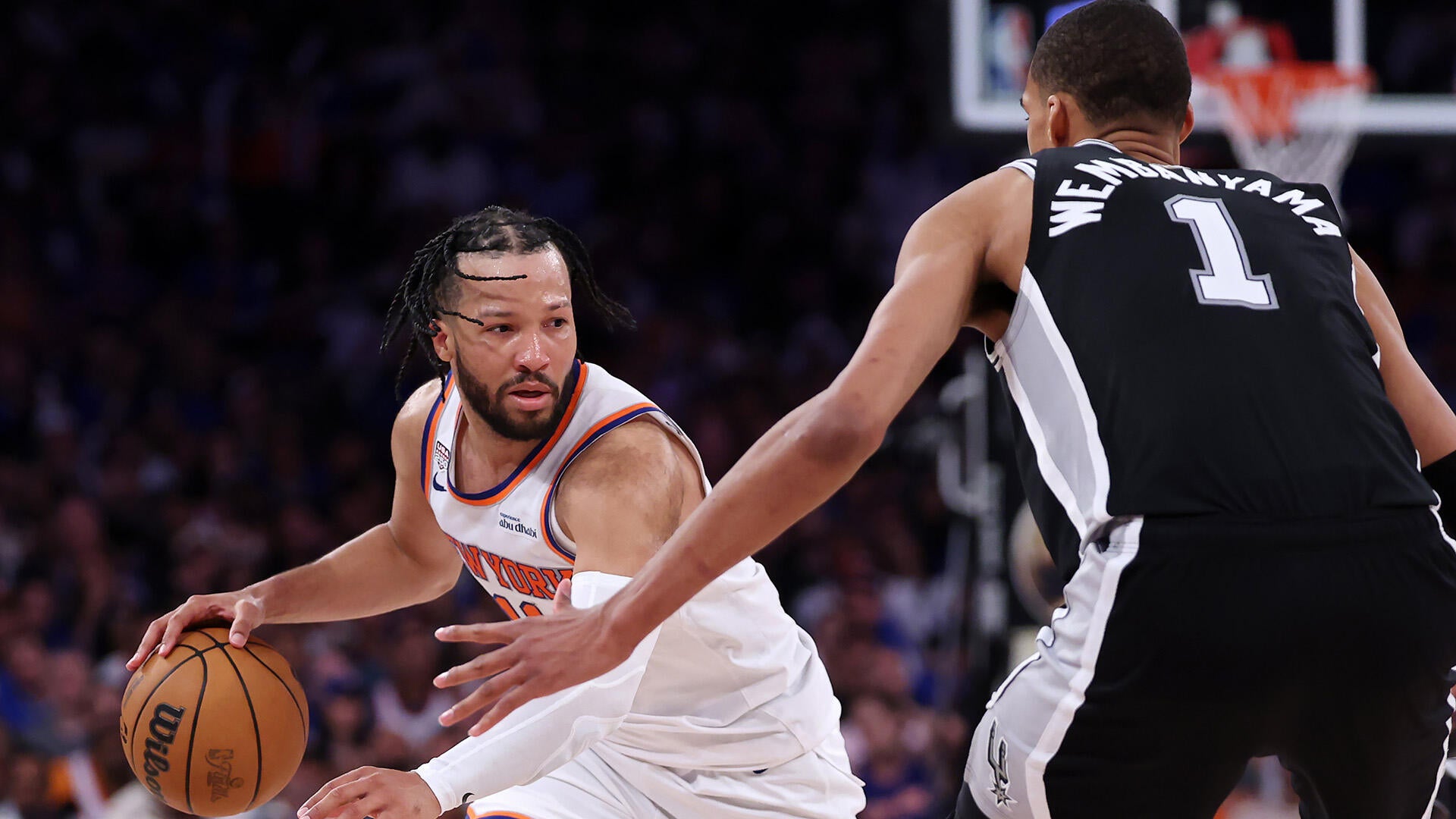
The San Antonio Spurs arrived at Paycom Center on May 18, 2026, with every intention of announcing themselves as legitimate title contenders rather than happy-to-be-here participants in the Western Conference Finals. Stephon Castle and rookie Dylan Harper—two faces of San Antonio's deliberate youth movement—walked through those arena doors with the calm of players who believed the stage belonged to them. Forty-eight hours later, Castle had produced the defining image of the series opener: a thunderous overtime dunk that sealed a victory most analysts had tabbed as a learning experience for a team still finding its playoff footing.
The dunk itself will circulate across highlight reels for weeks. Castle received the ball at the perimeter, pump-faked to freeze his defender, drove hard to the rim through contact, and finished with enough force to momentarily silence the home crowd. But the significance of the moment extended well beyond the spectacular. By recording at least 15 points, 5 rebounds, and 10 assists in a Conference Finals game, Castle became only the fourth player in Spurs franchise history to achieve that statistical threshold—placing his name alongside a lineage of playoff performers in one of the league's most storied organizations.
A Roster Built for This Moment
The Spurs did not arrive in Oklahoma City by accident or luck. The organization spent three seasons methodically constructing a roster around Castle and Harper, using draft capital, shrewd trades, and patient development to assemble a core capable of competing at the highest level. The decision to build around two players still early in their twenties was a calculated gamble in a league where veteran experience typically dominates playoff discourse. After Game 1, that gamble appears to be paying dividends earlier than the most optimistic internal projections.
Harper's contributions on the same night at Paycom Center did not match Castle's statistical milestone, but his presence alongside Castle in the backcourt provided the complementary scoring and playmaking the Spurs needed to navigate Oklahoma City's defensive schemes. The Thunder, themselves a young team built around similar principles, found themselves outmaneuvered in the clutch by an opponent executing with poise that defied the conventional wisdom about playoff inexperience. The sources do not specify the exact final score, but the outcome was clear enough: San Antonio departed Oklahoma City with a 1-0 series lead and momentum that will complicate Oklahoma City's adjustment plans heading into Game 2.
What the Thunder Must Answer
Oklahoma City entered this series as the higher seed and the betting favorite in most prognostications. The Thunder's roster, constructed around a core of homegrown talent and strategic veterans, had dominated the regular season and dispatched their earlier playoff opponents with relative efficiency. But the Conference Finals present a different animal—seven-game series against opponents who have proven they can win on the road, on any given night, under maximum pressure.
The Thunder's challenge is not merely tactical. They must regroup after a home loss that exposed gaps in their half-court defense and their ability to contain multi-dimensional guards in high-stakes moments. Oklahoma City's coaching staff will spend the coming days reviewing film and recalibrating defensive assignments. The offensive adjustments will come easier; the psychological recovery from ceding home-court advantage to a younger, less experienced opponent is harder to diagram.
The Franchise Calculus
This series carries implications that extend well beyond the 2026 season. For San Antonio, a deep playoff run—or better yet, a championship—is not merely a trophy pursuit but a validation of a rebuild philosophy that required patience from a fanbase accustomed to annual contention. The Spurs franchise has been here before, winning five championships across three decades by combining institutional discipline with transcendent talent. What Castle's performance signals is that the organizational blueprint remains viable in an era of superteams and star-chasing.
For the NBA's broader competitive landscape, a Spurs victory in this series would recalibrate the Western Conference hierarchy for the foreseeable future. Oklahoma City, despite this setback, remains a formidable program with assets and draft capital to retool. But the psychological blow of losing to San Antonio—whose roster construction deliberately sacrificed short-term ceiling for long-term flexibility—would reverberate through the league's front offices and reshape how teams approach the delicate balance between winning now and building for later.
The Road Ahead
The series shifts to San Antonio for Games 3 and 4, giving the Spurs homecourt advantage they will need to protect. If Castle continues to perform at the level he demonstrated in Game 1, the Thunder face a problem they cannot solve with tactical adjustments alone. The Dunk by Castle, as the NBALive feed described it, was not merely a highlight—it was a statement. The Spurs are here, they belong, and they have no intention of merely making up the numbers in their first Conference Finals appearance in years.
Game 2 tips at 8:30pm Eastern Time on NBC and Peacock, with Oklahoma City facing the immediate task of answering the question every eliminated team must confront: what do you do when the opponent refuses to respect your timeline?
This publication covered the Game 1 result through NBALive's real-time reporting from Paycom Center, focusing on Castle's historical milestone and the strategic implications for both franchises rather than the broader narrative of veteran wisdom prevailing over youthful exuberance—a framing that undersells what the Spurs have built.
Wire provenance
This editorial synthesis draws on the following public wire/social posts:
- https://t.me/NBALive/4829
- https://t.me/NBALive/4821