Suicide Drone Targets Vehicle in Northern Occupied Palestine, Sources Say
A suicide drone struck a vehicle on a road in northern occupied Palestine on May 19, 2026, according to initial reports carried by Iranian state-aligned news agencies. Details on casualties and attribution remain sparse as of publication.
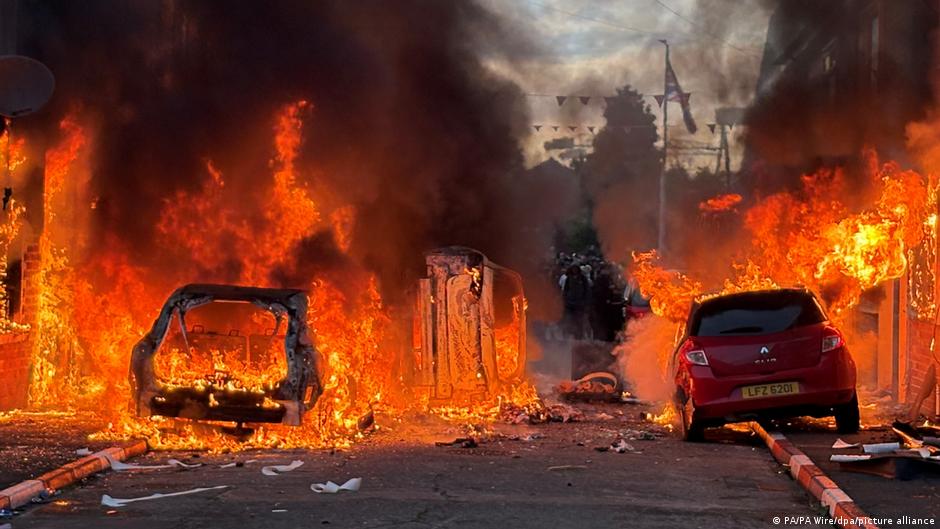
A suicide drone struck a vehicle on the Masgaf Aam road near Isba al-Jalil in northern occupied Palestine on the morning of May 19, 2026, according to initial accounts reported by Iranian state-aligned news agencies citing Israeli sources.
The attack, reported at approximately 10:39 UTC by Fars News International and subsequently carried by Tasnim News English and Mehr News, injured at least one occupant of the targeted vehicle. The precise number of casualties and the identity of those affected remain unconfirmed by independent wire services as of this publication. Israeli emergency services had not issued a public statement at the time of filing.
Immediate Context and Incident Details
The attack occurred on a road in the northern sector of occupied Palestine, an area that has seen recurring incidents of hostile aerial activity over the past eighteen months. The location—Masgaf Aam near Isba al-Jalil—places the incident in a zone that sits adjacent to the Blue Line, the United Nations-drawn boundary between occupied Palestinian territory and Lebanon.
Sources reporting on the incident described the weapon as a "suicide drone," a category of munitions that loiters over a target area before striking. Such systems have featured prominently in the pattern of hostilities observed since October 2023, with both state and non-state actors deploying them across contested boundaries. The Iranian state-aligned outlets framing this story did not attribute the attack to any specific actor; their reports stated only that Israeli sources had confirmed the incident and described its mechanics.
Attribution and the Limits of Initial Reporting
Neither the Iranian news agencies carrying the report nor any independent outlet has attributed the strike to a named group as of May 19, 2026. The pattern of such attacks—particularly in the north—typically generates rapid attribution from armed groups operating in the region, particularly Hezbollah in Lebanon or affiliated formations. The absence of an immediate claim does not indicate innocence on any party's part; operational security, tactical considerations, and political timing all influence when and whether a group acknowledges an attack.
Israeli military and security officials have not publicly identified the source of the drone or confirmed the weapon's origin. The Reuters and Associated Press wire services, which maintain correspondents in Jerusalem and Tel Aviv, had not published confirmed details of the incident at the time Monexus filed this report. Readers should treat the account as initially sourced and subject to revision as more reliable information becomes available.
Structural Patterns in Cross-Border Aerial Warfare
The deployment of loitering munitions—commonly called suicide drones or explosive drones—represents a structural feature of the conflict's current phase. Unlike conventional rockets or artillery, these systems offer巷 greater precision and the ability to wait over a target area before striking. For actors with limited airpower, they provide a cost-effective means of targeted engagement.
The northern front has been a persistent locus of this activity. Since the escalation following October 2023, the Israeli military has conducted extensive strikes aimed at degrading the infrastructure and command-and-control capacity of armed groups in Lebanon. Those groups, in turn, have maintained a campaign of aerial attack—sometimes dozens of incidents per week—targeting military positions and, occasionally, civilian infrastructure in northern occupied Palestine. The Masgaf Aam road lies within range of multiple launch points used in this pattern of engagement.
The Iranian state-aligned outlets that first carried this report—Fars News International, Tasnim News, and Mehr News—operate as official or semi-official channels for the Islamic Republic's positions. Their framing of events in occupied Palestine consistently reflects Tehran's strategic interests, which favor delegitimization of Israeli control. The information they carry warrants verification against independent sources before being treated as confirmed fact. This publication has reported the incident based on the initial account while flagging its provenance.
What Remains Unconfirmed
Several key details of the May 19 incident have not been independently corroborated. The exact number of casualties, the identities and nationalities of those in the targeted vehicle, and the precise type of drone used are all absent from the public record as of filing. Israeli emergency services and the Israel Defense Forces have not issued statements confirming or contextualizing the attack.
The location description—Masgaf Aam, Isba al-Jalil—is consistent with an area in the eastern Galilee panhandle, near the boundary with Lebanon. Monexus has been unable to independently verify the road name against open-source mapping tools available to the desk. The image associated with this report derives from the Tasnim News Telegram channel and has not been verified as depicting the specific incident described.
The pattern of reporting—in which an incident is first confirmed by Iranian state-aligned outlets citing Israeli sources—raises editorial questions about the flow of information in this conflict. Israeli authorities frequently brief Western correspondents directly; the absence of such reporting at this hour may reflect operational discretion, genuine information gaps, or simply the timing of a filing window.
Stakes and Forward View
If confirmed as a deliberate attack on a civilian vehicle, the incident would represent a notable escalation in the pattern of northern-front violence, which has killed dozens of Israeli and Lebanese civilians since October 2023. If the target was military, the significance differs—though the use of precision munitions against moving vehicles in populated areas carries inherent civilian risk regardless of the intended target.
The longer-term trajectory remains one of persistent low-intensity conflict punctuated by periodic surges. Israeli military operations have not, to date, eliminated the threat from armed groups in Lebanon; those groups have not ceased attacks despite significant attrition. The entry of new weapons systems—longer-range drones, improved electronic warfare capability, more sophisticated munitions—continues to reshape what each side can attempt.
For populations on both sides of the Blue Line, the drone threat is now a structural condition of daily life. air-raid sirens, fortified rooms, and roadside checkpoints are permanent features of communities within range. The Masgaf Aam road, if it hosted civilian traffic, is now part of that geography of risk.
This publication covered the incident based on initial reports from Iranian state-aligned outlets citing Israeli sources, with a note flagging the provenance. Wire services had not confirmed the details at time of filing.
Wire provenance
This editorial synthesis draws on the following public wire/social posts:
- https://t.me/FarsNewsInt/28442
- https://t.me/FarsNewsInt/28441
- https://t.me/tasnimnews_en/78941
- https://t.me/mehrnews