Trump Gives Iran 2-3 Day Ultimatum Before Potential Military Action
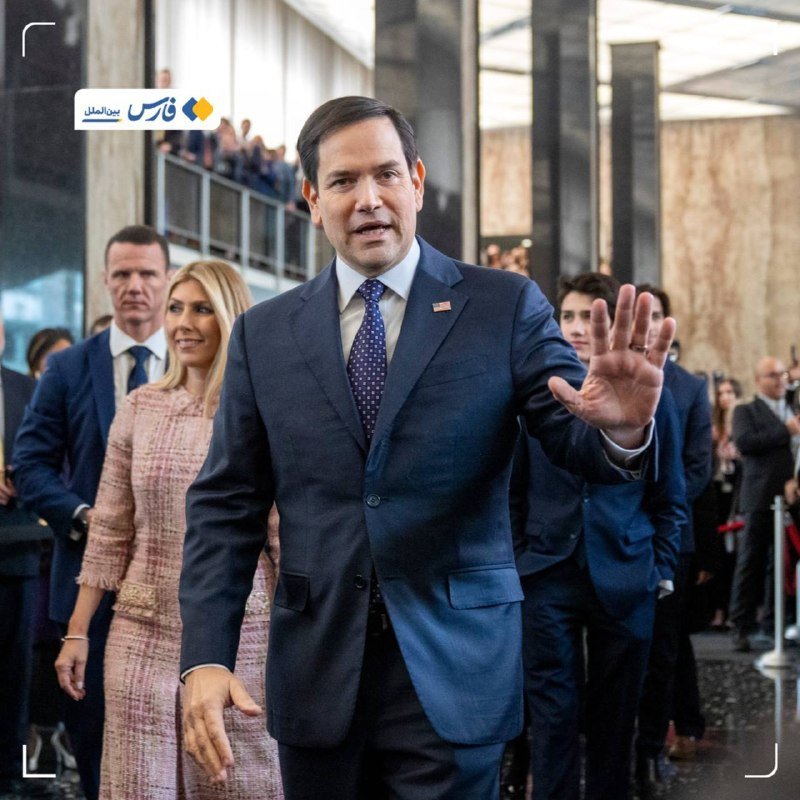
President Donald Trump told reporters on May 19, 2026, that the United States would give Iran between two and three days—potentially extending into early next week—before taking additional military action against the Islamic Republic. The statement, delivered from the White House grounds, represented the most explicit public countdown Washington has issued against Tehran since the current phase of tensions began.
The framing matters enormously. Trump acknowledged that his own advisors had characterized military action against Iran as politically unpopular, yet insisted the opposite was true. "Everyone tells me it's unpopular, but I think it's very popular," he said. "I don't have enough time to explain the war to the people. I am too busy getting it done." Whether that final clause was rhetorical gloss or a substantive description of how the administration is operating will determine how capitals from Tehran to Beijing interpret the next seventy-two hours.
The Ultimatum's Immediate Context
The statements land atop weeks of escalating rhetoric. US forces have been repositioned in the Gulf region, and American officials have publicly maintained that Iranian nuclear facilities remain a primary target of any prospective strike operation. The two-to-three-day window, as framed by the President, reads less like a negotiating posture than a public warning: act now or face consequences.
What remains unclear from the available reporting is whether the administration has privately communicated any specific demands to Tehran—such as a freeze on uranium enrichment or the closure of facilities the US designates as weapons-related—or whether the countdown is designed to coerce concessions without specifying what those concessions would be. The thread context does not include any Iranian response as of publication. That silence itself is data: Tehran's calculation about whether to negotiate, deflect, or escalate will turn on whether it believes Trump's team is serious and what it actually wants.
Reading the Domestic-Political Signal
Trump's own acknowledgment of the unpopularity argument is unusual. Sitting presidents rarely flag their advisors' concerns about political liability in real time, and the admission that he "doesn't have enough time to explain the war to the people" cuts both ways. It suggests a leader who believes public consent is either forthcoming or secondary to action already underway—and that distinction matters for how regional actors calibrate their responses.
If the administration is post-facto building a justification rather than securing buy-in in advance, that points toward a strike decision made primarily on strategic and personal grounds. If, conversely, the framing is theatrical—domestic performance designed to look decisive while diplomatic channels continue privately—the timeline becomes a pressure tactic rather than a countdown. Neither interpretation can be confirmed from the source material, but both are compatible with what Trump said on May 19.
India's Counter-Voltage
The same day Trump was delivering his Iran timeline, Indian Prime Minister Narendra Modi was in Stockholm speaking to a joint press conference with Nordic leaders and signaling something quite different. "Whether it is Ukraine or West Asia, we will continue to support an early end to the conflict and efforts for peace," Modi said, according to statements captured by both ClashReport and DDGeopolitics on May 19, 2026. He described the moment as the opening of a "new golden period" in India-Nordic relations.
The timing is not incidental. India has been pursuing what New Delhi frames as a principled neutrality—a position that, in practice, allows it to purchase Russian energy, maintain defense ties with Washington, and position itself as a potential mediator in both theaters. Modi's statement on May 19 reads as a deliberate counternarrative: while the US President offers a countdown, the leader of the world's most populous democracy reaffirms his government's commitment to diplomatic resolution. Whether India has the leverage to act on that commitment is another question. But the framing contrast is real, and it matters for how the Global South positions itself in what Washington presents as a binary choice between pressure and conflict.
Stakes and Forward View
If the two-to-three-day window closes without a negotiated de-escalation, the US military is positioned to act. The risks are substantial. Iranian retaliation against US assets in the Gulf, or against regional partners such as Israel or Gulf states, could draw a wider arc of conflict than the initial strike would intend. The nuclear question—whether any strike meaningfully delays Tehran's program or simply accelerates it—remains contested among regional security analysts.
For Iran, the window represents both danger and opportunity. The historical record suggests Tehran has used diplomatic delays to extract concessions in past negotiations, and the gap between Trump's stated timeline and any private communication could be substantial. For US allies in Europe and Asia, the next seventy-two hours represent a closing window to lobby for diplomatic off-ramps—though the available evidence suggests the administration has already weighed that option and chosen a different course.
What the sources do not yet establish is whether this is brinkmanship or preparation. The answer will arrive, one way or another, early next week.
This publication covered the ultimatum as a factual statement from the President while noting his own acknowledgment that advisors had flagged political unpopularity—framing absent from several wire accounts that led with the military dimension alone.
Wire provenance
This editorial synthesis draws on the following public wire/social posts:
- https://t.me/ClashReport/34567
- https://t.me/disclosetv/12345
- https://t.me/DDGeopolitics/67890
- https://t.me/ClashReport/34568
- https://t.me/DDGeopolitics/67891