Under the Siren and the Fare Hike: Kyiv's Dual Pressure and the Invisible Arithmetic of Wartime Life
On a single Tuesday in May, Kyiv residents learned that bus and metro fares were rising while ballistic warnings crackled over their phones. The coincidence is local. The pattern it reveals is structural.
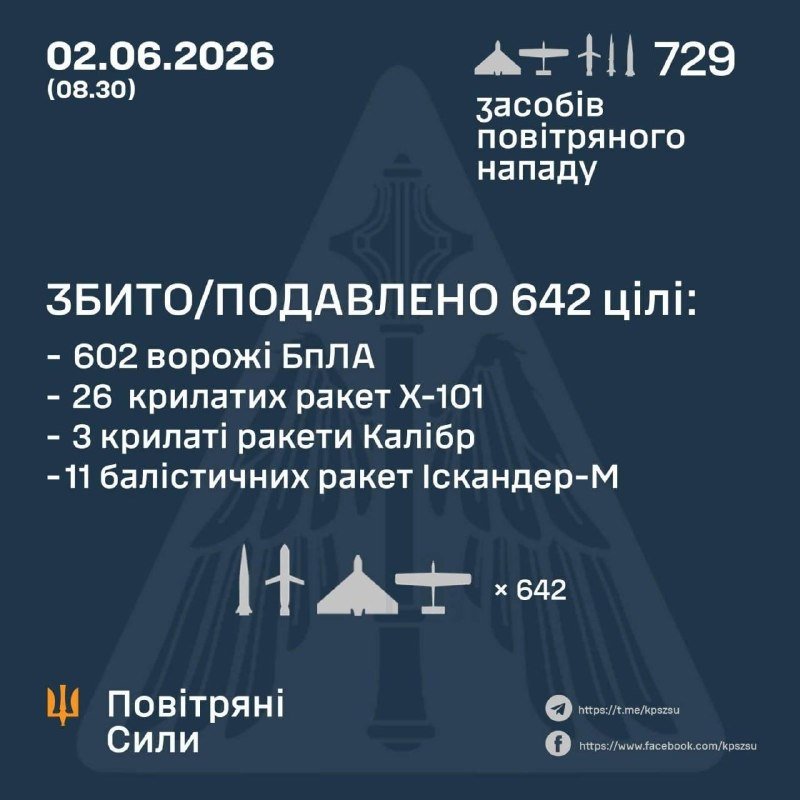
On 19 May 2026, two headlines landed within hours of each other in Kyiv's information feed. The first reported that Lviv and Kyiv were raising public transport tariffs — bus and metro fares going up in Ukraine's two largest cities whose transit systems between them move well over a million passengers on an ordinary weekday. The second reported that air alert sirens had sounded across the capital and multiple regions, with authorities citing a ballistic threat in flight. Both items appeared in Ukrainian-language Telegram channels citing municipal authorities or official military-adjacent accounts.
The juxtaposition was coincidental in timing and revealing in kind. Kyiv has been a city under sustained pressure since the full-scale invasion began in February 2022. Its residents have navigated rolling blackouts, destroyed infrastructure, the departure of a significant portion of the pre-war population, and an economy propped in part by Western financial support whose duration is a subject of recurring diplomatic uncertainty. Into that already strained context, on a Tuesday afternoon, came a fare increase and a ballistic alarm. Neither event caused the other. Both belong to the same operating environment.
The Cost Side: Why Transport Tariffs Are Rising Now
Public transport pricing in Ukrainian cities has not been static since 2022. Municipal authorities in Lviv and Kyiv have faced a well-documented squeeze: fuel costs, maintenance expenses, and the cost of maintaining rolling stock on systems that were built for a different era all climbed steeply. Subsidies that kept fares artificially low through the early years of the war came under mounting strain as fiscal space narrowed.
The fare adjustments — reported via TSN.ua on 19 May 2026 — represent a partial pass-through of those cost pressures to passengers. For regular commuters, the cumulative effect over a month is not trivial in an economy where real disposable incomes have been compressed significantly since the invasion. Transport is not a discretionary expense for residents who travel to work, medical appointments, or to collect pensions in person. When it becomes measurably more expensive, the effective welfare of the most economically vulnerable urban residents — pensioners, low-wage workers, internally displaced persons who relocated to Kyiv from more heavily bombed cities — decreases further.
Other regions were noted in the same reporting as undergoing or considering similar adjustments. The pattern suggests a broad recalibration rather than a city-specific measure, consistent with the fiscal pressures Ukrainian municipalities have faced throughout the war.
The Threat Side: What a Ballistic Alert Means in Context
The air alert on the afternoon of 19 May was flagged by operativnoZSU, a channel associated with Ukrainian military information, as covering Kyiv and multiple regions due to what it described as a ballistic threat. Ballistic alerts in Ukraine — distinct from the more frequent drone-warning sirens — typically indicate the launch of cruise missiles or Iskander-type systems whose trajectory and speed give civilian warning systems a narrower window than air defence can always cover.
This is not a new category of threat. Ukrainian air defence has been tested continuously since the invasion began, with Russian forces using a mixture of Shahed drones, cruise missiles, and ballistic systems to probe and strike infrastructure across the country. Kyiv, as the capital, has been targeted repeatedly. The operational reality is that residents who hear a ballistic alert are being told, in effect, that something is already in the air with limited time before it may reach its target area.
What the Telegram item on 19 May does not specify is whether the alert resulted in strikes, casualties, or damage. That information, if it exists, has not been reported in the sources available to this publication as of the filing time.
The Structural Pattern: Compressed Margins and Parallel Risks
What connects these two items is not their coincidence on a single news cycle but their coexistence as permanent features of Ukrainian civilian life. Economic compression — driven by the fiscal consequences of war, the destruction of productive infrastructure, the emigration of working-age citizens, and the reliance on external aid that carries political conditionality — places upward pressure on the cost of basic services. Simultaneously, the air threat keeps the population in a state of recurrent alert that carries its own economic weight: time lost to sheltering, businesses disrupted, supply chains hesitant to locate operations in cities within regular striking range.
The combination is not unique to Ukraine. Cities under sustained aerial threat in other conflicts have exhibited similar dynamics — economic attrition operating in parallel with physical danger, each compounding the other. But the specific arithmetic of Kyiv in 2026 is particular: a city that has absorbed internally displaced populations from eastern cities, that hosts a disproportionate share of the country's remaining administrative and economic function, and that continues to project an image of normality to its residents even as the baseline of normal has shifted substantially.
Western financial support — disbursed through mechanisms including the IMF, the World Bank, and bilateral agreements — has provided a buffer that has repeatedly forestalled the most acute phases of fiscal crisis. Whether that support continues at current levels, and on what timeline and conditionality, is a question that circulates in diplomatic circles and occasionally surfaces in the editorial pages of financial publications. For the resident deciding whether to take the metro or walk, that question arrives not as macroeconomics but as a ten-hryvnia fare increase.
What Remains Uncertain
The sources reviewed for this article do not specify the magnitude of the fare increases in either city, the precise cost categories driving the adjustments, or whether any strikes followed the ballistic alert of 19 May. Reporting from other outlets covering the same day did not, in the materials available to this publication, contain corroborating detail on those specific questions. The fare structure in Ukrainian cities has varied widely across municipalities and subsidy regimes, and the 19 May adjustments appear to be part of a process rather than a single coordinated announcement.
The Stakes, Plainly
The residents of Kyiv and other Ukrainian cities are absorbing cost increases while maintaining the routine of going to work, fetching children, and navigating a city that is simultaneously a functioning urban economy and a target. That the two events of 19 May happened on the same afternoon is newsroom coincidence. That they are both explicable — structurally explicable — as outcomes of the same underlying condition is the more important fact. The war is not only a military problem. It is a fiscal one, an infrastructural one, and, for the person standing on a metro platform deciding whether the fare increase makes the bus worth taking instead, a daily one.
Wire provenance
This editorial synthesis draws on the following public wire/social posts:
- https://t.me/TSN_ua/
- https://t.me/TSN_ua/
- https://t.me/operativnoZSU/