Wembanyama's 41 Points Propel Undermanned Spurs Past Thunder in Game 1 Upset
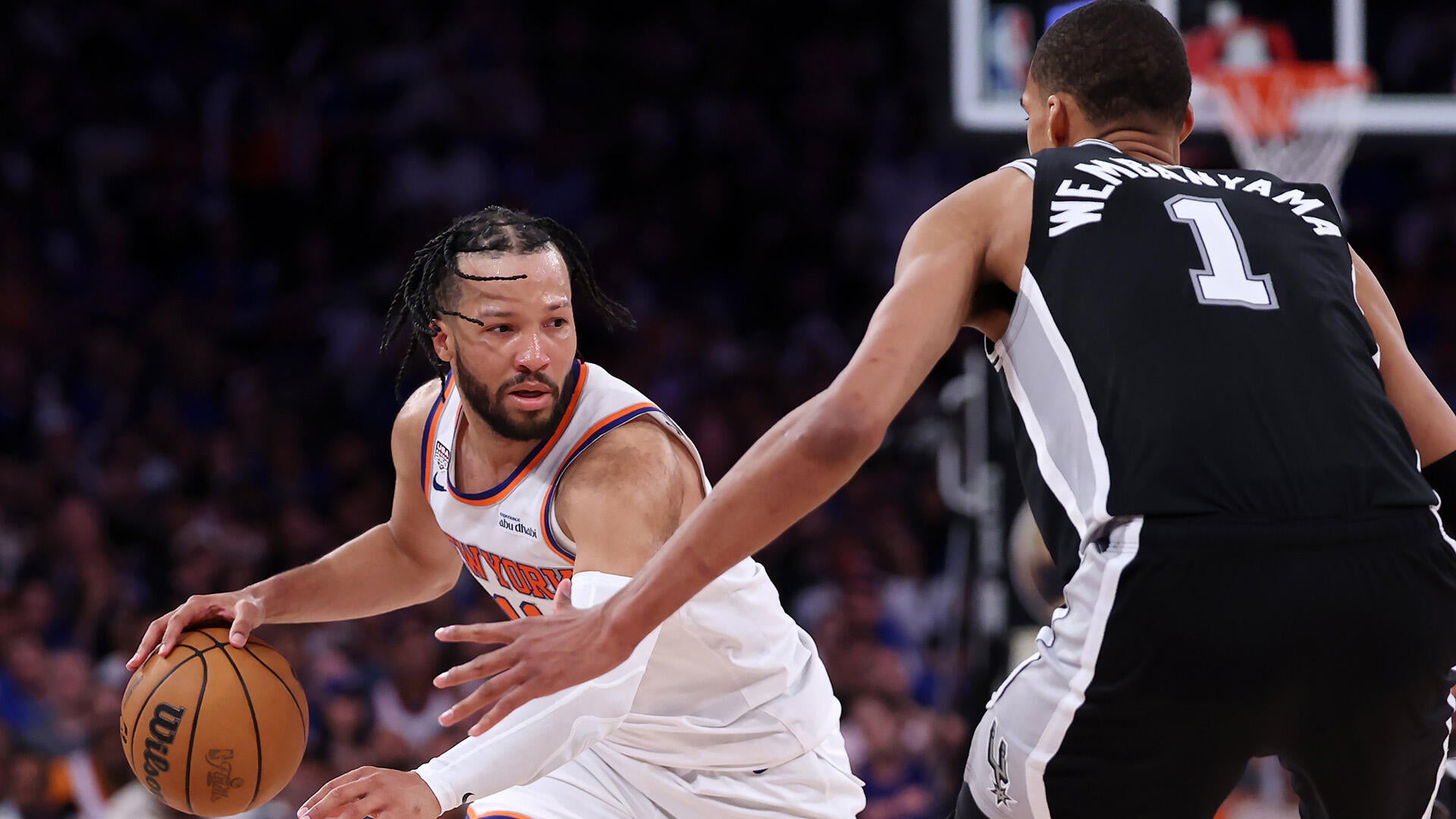
The San Antonio Spurs stunned the Oklahoma City Thunder 112-108 on May 18, 2026, seizing a 1-0 lead in the Western Conference Finals without their starting point guard. De'Aaron Fox, acquired last offseason in a blockbuster trade, was ruled out hours before tip-off due to a right ankle sprain — a absence that should have left the Spurs overmatched against the league's top regular-season team. Instead, Victor Wembanyama filled the void with a career playoff-high 41 points, 11 rebounds and 6 blocks, dragging San Antonio to a wire-to-wire victory that rewrote the opening chapter of this series.
The result landed like a cold shock to a Thunder team that had spent the season building the league's best net rating and storming through the first two rounds with a combined 8-2 record. Oklahoma City entered the series as heavy favorites — the prohibitive title contenders with the deepest roster in the West, a defensive engine built around Chet Holmgren's rim protection, and a closing lineup that had outscored opponents by 18 points per 100 possessions in clutch situations. None of that mattered in Game 1. The Spurs led by as many as 14 in the first half, held the Thunder to 41 percent shooting from the field, and closed the fourth quarter on a 12-4 run that survived a frantic final minute of Thunder pressure.
The irony is almost too clean: Fox's injury — sustained in the Spurs' series-clinching Game 6 win over Denver — created the very pressure that unlocked Wembanyama's most complete performance of these playoffs. Without their secondary creator, San Antonio's offense had no margin for a passive night from its centerpiece. Wembanyama responded by operating as a de facto point guard from the elbow, probing mismatches against Holmgren and forcing Oklahoma City's switch-heavy scheme to account for a 7-foot-4 handler who can shoot over any conventional cover. He made seven of 12 three-point attempts. He got to the free-throw line 12 times. When the Thunder sent doubles in the fourth quarter, he found Chris Dudley rolling to the rim for the dishes that killed the trap.
Oklahoma City's counter was blunt. Shai Gilgeous-Alexander attempted 26 shots and finished with 34 points, but his supporting cast combined for just 38 on 33 percent shooting. Jalen Williams, the Thunder's second option, went 4-for-14. The offensive structure that had punished Dallas and Minnesota simply did not appear — the ball movement stalled, the secondary creators stood still, and the Thunder's halfcourt offense devolved into SGA isolation after possession eight. Whether this was a function of the Spurs' defensive scheme — a switching-heavy approach that contested every look — or a Thunder roster ill-equipped to adjust on the fly without a reliable third creator remains the open question ahead of Game 2.
The stakes extend well beyond a single game. San Antonio now holds home court in a series where the Spurs were not supposed to have any. The Thunder's entire season has been calibrated around the assumption that a deep bench and positional versatility would eventually overwhelm opponents in a best-of-seven format. That model depends on SGA averaging 30 points and Holmgren anchoring the interior; it does not account for Wembanyama going supernova in the absence of a second star. If Fox misses additional games, the Thunder must find answers they did not spend the regular season developing — and they have two days to find them before Game 2 tips off on May 20.
For the Spurs, this win carries a different weight. It validates the organizational patience that brought Wembanyama to San Antonio and paired him with Fox in the first place. The trade that sent Devin Vassold to Sacramento was designed to accelerate a timeline that was already moving fast; now, with the franchise's two foundational pieces on the floor together, the Spurs have shown they can compete with anyone. Whether Fox returns for Game 2 or this series forces him to watch from the sideline, Game 1 belongs to San Antonio — and to a 21-year-old who answered the moment when the stage belonged to no one else.
Wire provenance
This editorial synthesis draws on the following public wire/social posts:
- https://t.me/NBALive/18432
- https://t.me/aljazeeraglobal/11478